Cantonese Lao Huo Tang (Old Fire Soup) Tradition Explained
- Lao Huo Tang, or "Old Fire Soup," is a traditional Cantonese soup, slow-cooked for 2-4 hours to extract maximum nutrients and flavor, a practice often referred to as "three煲, four炖" by chefs, meaning 2-3 hours for boiling and 4 hours for stewing Shenzhen Bendibao on煲汤秘诀.
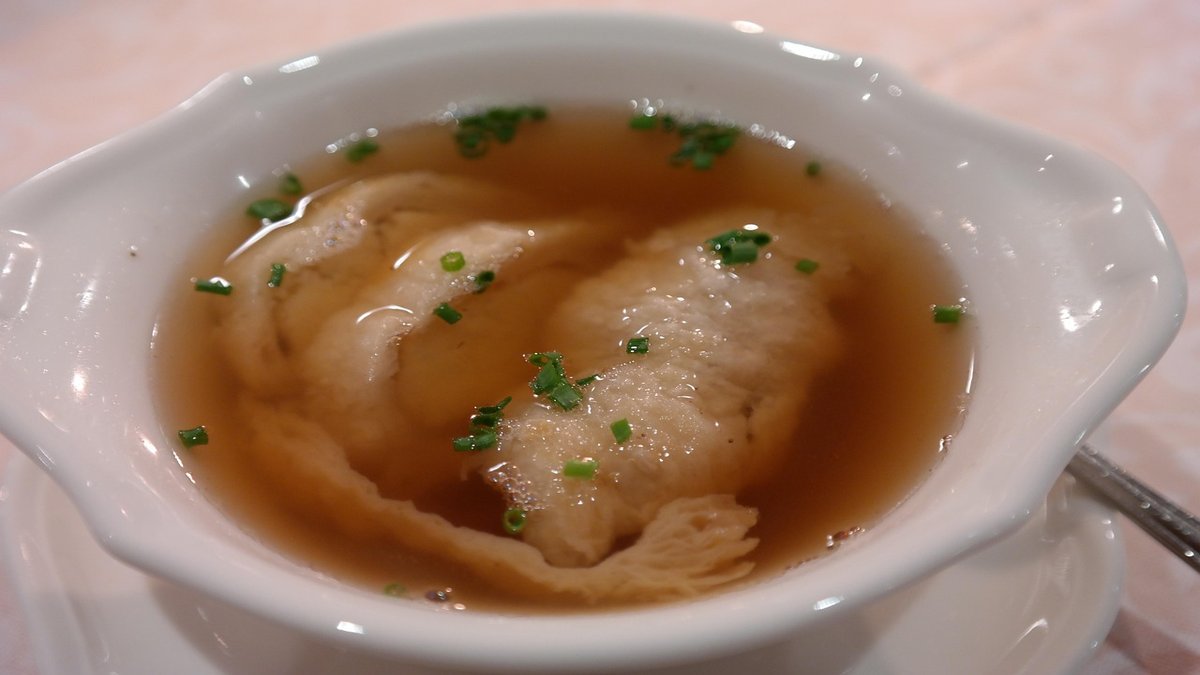
Last updated: April 2026
Disclaimer: This article is for informational purposes only and does not constitute medical advice. Consult a qualified healthcare provider before starting any treatment.
Affiliate Disclosure: We may earn a commission when you purchase through our links. This does not affect our editorial independence.
Quick Answer
- Lao Huo Tang, or "Old Fire Soup," is a traditional Cantonese soup, slow-cooked for 2-4 hours to extract maximum nutrients and flavor, a practice often referred to as "three煲, four炖" by chefs, meaning 2-3 hours for boiling and 4 hours for stewing Shenzhen Bendibao on煲汤秘诀.
- The preparation involves specific steps like "flying water" for meats, where they are blanched in boiling water to ensure a clean, clear broth, a technique widely used in over 30 traditional Cantonese soup recipes shared by a chef on Sohu.com.
- Over 226,000 people have viewed recipes for classic Cantonese nourishing soups on XiaChuFang, with 22,000 collections, highlighting the widespread interest in this culinary tradition.
- Many Lao Huo Tang recipes are tailored for specific health benefits, such as boosting immunity with ingredients like Cordyceps flower and free-range chicken, or aiding digestion with soups featuring Chinese Yam and carrots.
What is Cantonese Lao Huo Tang?
Cantonese Lao Huo Tang, directly translating to "Old Fire Soup," represents a culinary cornerstone within Cantonese cuisine and a profound expression of traditional Chinese food therapy. This esteemed tradition involves the meticulous art of slow simmering various ingredients, often for several hours, to extract not only deep, complex flavors but also significant nutritional and medicinal benefits. The term "Old Fire" itself denotes the extended cooking time and the gentle, consistent heat required to achieve the soup's characteristic richness and efficacy. This method ensures that the essence of all ingredients, whether they are meats, vegetables, or potent Chinese herbs, is thoroughly infused into the broth, making it easily digestible and highly nourishing.
The practice of preparing Lao Huo Tang is deeply embedded in the cultural fabric of Guangdong, where it is not merely considered a dish but a vital component of daily health maintenance and seasonal well-being. It is common for families to consume these soups regularly, adapting recipes to address specific health concerns, balance the body's internal energies, or simply to enjoy a comforting, flavorful meal. The emphasis on carefully selected ingredients and precise cooking techniques underscores the Cantonese philosophy of "food as medicine," where every bowl of soup serves a purpose beyond mere sustenance. This tradition extends back thousands of years, with the people of Guangzhou preserving these health-preserving secrets through generations, valuing a bowl of nourishing soup even more than a main dish, as noted by numerous culinary guides and recipe collections.
The Art of "Three煲, Four炖"
The cooking method behind Lao Huo Tang is often referred to by chefs as "three煲, four炖," a colloquialism that describes the varying durations for different simmering techniques. "煲" (bāo) refers to a simmering process that typically requires two to three hours, involving gentle, constant heat to allow the nutritional components of the ingredients to effectively dissolve into the soup, making them easier for the human body to digest and absorb. This method is considered a "labor of love" in the kitchen, not due to its complexity, but because of the significant time investment it demands. The key is to maintain a steady, gentle boil after the initial high-heat phase, ensuring the ingredients are slowly coaxed to release their goodness without overcooking them into mush.
Conversely, "炖" (dùn) implies an even longer stewing period, usually extending to four hours or more. This prolonged cooking time is reserved for ingredients that require more extensive breakdown or for extracting the deepest possible essence, such as from dense bones or certain hardier herbs. The distinction between "煲" and "炖" highlights the nuanced approach Cantonese chefs take to soup preparation, carefully matching the cooking duration and intensity to the specific ingredients and desired therapeutic outcomes. Whether "煲" or "炖," the underlying principle remains the same: a slow, steady fire is crucial for transforming simple ingredients into a potent, flavorful elixir. The ideal broth, after this extensive cooking, should appear milky white, especially when made with protein-rich animal ingredients, and should even solidify into a jelly-like consistency when cooled, indicating that the proteins have dissolved extensively and the soup has been "cooked to perfection" Shenzhen Bendibao on煲汤秘诀.
Cultural Significance and Modern Relevance
The enduring popularity of Lao Huo Tang in contemporary society, even with fast-paced lifestyles, speaks volumes about its cultural significance and perceived health benefits. The tradition continues to thrive, with home cooks and restaurants alike dedicating considerable effort to perfecting these soups. For many, a warm bowl of Lao Huo Tang represents comfort, family, and a tangible connection to their heritage. The practice is not just about nutrition; it's about a holistic approach to well-being that values balance, prevention, and the wisdom passed down through generations.
The accessibility of recipes and detailed cooking instructions online further propagates this tradition, allowing enthusiasts worldwide to explore and recreate these nourishing soups. For instance, a collection of "Guangdong Classic Nourishing Old Fire Soups" on XiaChuFang has garnered immense attention, with 226,000 views and 22,000 collections, demonstrating a strong interest in learning and preserving these culinary arts XiaChuFang Cantonese Nourishing Soups Collection. This wide reach ensures that the intricate knowledge of ingredient pairing, cooking times, and health benefits associated with Lao Huo Tang remains vibrant and relevant for new generations.
How is Lao Huo Tang Traditionally Prepared?
The traditional preparation of Lao Huo Tang is a meticulous process that emphasizes careful ingredient selection, thorough cleaning, and precise cooking techniques to maximize flavor and nutritional extraction. This culinary art begins with the choice of primary ingredients, often focusing on protein-rich animal components that serve as the base for the rich broth. These typically include beef, lamb, pork bones, chicken, or duck bones, which are prized for their ability to contribute depth and body to the soup. The quality and freshness of these foundational ingredients are paramount, as they directly influence the final taste and therapeutic properties of the Lao Huo Tang.
Once the primary ingredients are selected, a crucial preparatory step known as "flying water" (飞水) is performed. This involves thoroughly washing the meats, then blanching them in boiling water for a short period. The purpose of flying water is to remove impurities, excess blood, and any gamey odors from the meat, ensuring that the resulting soup broth is clean, clear, and pure in flavor. After this blanching, the meats are typically rinsed again before being transferred to the soup pot. This attention to detail in preparation is a hallmark of Cantonese cooking, reflecting a commitment to both hygiene and culinary excellence.
The Simmering Process
The actual cooking of Lao Huo Tang commences by placing all prepared ingredients into a large pot, typically a clay pot or ceramic casserole (瓦煲), with a sufficient amount of cold water added at once. It is essential to add enough water from the beginning, as adding more water during the simmering process can dilute the flavor and interrupt the extraction of nutrients. The pot is then brought to a vigorous boil over high heat. Once boiling, the heat is immediately reduced to a low or medium setting, maintaining a gentle simmer. This controlled heat is critical, as it allows the ingredients to slowly release their flavors and beneficial compounds without boiling away the precious liquid too quickly.
The simmering phase is the longest and most defining aspect of Lao Huo Tang preparation, typically lasting for three to four hours. During this extended period, the gentle heat facilitates the breakdown of connective tissues in the meats and bones, allowing proteins, minerals, and other nutrients to dissolve extensively into the broth. This slow extraction process is what gives Lao Huo Tang its characteristic rich flavor and often a milky white appearance, especially when made with bones. The goal is to achieve a concentrated, nourishing broth that, upon cooling, should be able to solidify into a gelatinous consistency, indicating a successful extraction of collagen and other beneficial components. Towards the end of the simmering, a small amount of ginger and cooking wine may be added to further enhance flavor and neutralize any remaining impurities, though these are often added earlier as well. Finally, salt or a seasoning like "freshness extract" (鲜味露) is added to taste before serving, ensuring the soup is perfectly balanced.
Essential Techniques for Flavor and Purity
Beyond the basic steps, specific techniques are employed to ensure the superior quality of Lao Huo Tang. One such technique involves regularly skimming any foam or scum that rises to the surface during the initial boiling and simmering stages. This practice further contributes to the clarity and purity of the broth, preventing any undesirable flavors or textures. The choice of cooking vessel also plays a role; traditional clay pots are favored for their ability to distribute heat evenly and retain moisture, facilitating a slow and consistent simmer.
Moreover, the careful combination of ingredients is an art form in itself. Cantonese chefs often blend different types of meats, bones, and a variety of vegetables, fruits, and Chinese herbs, each chosen for its specific flavor contribution and therapeutic properties. For instance, a recipe for pork bone soup with sea kelp emphasizes the importance of adding ginger and cooking wine, and advises against using excessively high heat throughout the process, recommending medium or small heat after the initial boil to slowly bring out the flavor Sohu on 30 Cantonese Old Fire Soup Recipes. This holistic approach to ingredient pairing and cooking methodology ensures that each bowl of Lao Huo Tang is not only delicious but also a potent elixir for health and well-being.
What Are Some Popular Lao Huo Tang Recipes and Their Benefits?
Cantonese Lao Huo Tang boasts a vast repertoire of recipes, each thoughtfully crafted with specific ingredients to address various health concerns and promote overall well-being. These soups are more than just culinary delights; they are a form of traditional Chinese food therapy, where ingredients are carefully selected for their therapeutic properties according to TCM principles. From enhancing skin complexion to boosting immunity and aiding digestion, there is a Lao Huo Tang for almost every health need. The popularity of these recipes is evident in the sheer number of online engagements, such as the 226,000 views and 22,000 collections for "Guangdong Classic Nourishing Old Fire Soups" on XiaChuFang, underscoring their widespread appeal and trusted efficacy XiaChuFang Cantonese Nourishing Soups Collection.
One common goal of many Lao Huo Tang recipes is to improve skin health and complexion. For individuals with pale complexions or dry, rough skin, a Tomato, Celery, and Lean Pork Soup is highly recommended. This soup combines half a pound of tomatoes, half a pound of celery, four liang (approximately 150g) of lean pork, and two slices of ginger. The preparation involves blanching the lean pork, then boiling all ingredients together for ten minutes over high heat, followed by an hour and a half of simmering over low heat. This combination is believed to nourish the skin and address dryness, promoting a healthier, more radiant complexion.
Soups for Internal Balance and Cleansing
Many Lao Huo Tang recipes focus on internal cleansing and balancing the body's systems. For instance, Sea Kelp, Apple, and Lean Pork Soup is touted for its benefits in reducing fat, aiding weight loss, cleansing the intestines and stomach, clearing lung heat, and beautifying the skin. This soup, made with two liang (about 75g) of sea kelp, two apples, and half a pound of lean pork, is particularly recommended for those with vision degradation and anemia. The apples are peeled and cut, sea kelp soaked and cleaned, and all ingredients are boiled together for ten minutes on high heat, then simmered for two hours on low heat. The combination of sea kelp and apple is known for its detoxifying and nourishing properties.
Another popular soup, Winter Melon and Chicken Soup with Shiitake Mushrooms, is specifically designed for clearing lung heat, strengthening the spleen, reducing swelling, and nourishing the blood. It is particularly suitable for obese individuals suffering from anemia, edema, and excessive phlegm, often accompanied by a pale complexion. This comprehensive soup includes one and a half jin (about 750g) of winter melon with skin, one whole chicken, four liang (about 150g) of lean pork, ten shiitake mushrooms, fifteen red dates, and two slices of ginger. The preparation involves blanching the chicken and lean pork, soaking the shiitake mushrooms (and retaining the mushroom water), then boiling all ingredients except winter melon for ten minutes on high heat, followed by two hours of simmering. The winter melon is added for the last thirty minutes, providing a refreshing and diuretic effect.
Addressing Specific Ailments and Seasonal Needs
Lao Huo Tang also offers targeted remedies for specific ailments and is often adapted for seasonal changes. For individuals experiencing excessive body heat, swollen gums, or high blood pressure, Seaweed, Celery, Carrot, and Pork Ribs Soup is a beneficial choice. This recipe uses five qian (about 15g) of seaweed, four liang (about 150g) of celery, one carrot, and one jin (about 500g) of pork ribs. After blanching the pork ribs, and cleaning and cutting the vegetables, all ingredients are boiled for ten minutes on high heat, then simmered for two and a half hours on low heat. This soup is known for its ability to clear heat, detoxify, lower blood lipids, moisturize the skin, and reduce blood pressure.
For a soothing, non-greasy option that also helps clear internal heat, especially during warmer seasons, Apple and Pear Soup with Pork Ribs is highly favored. This soup combines one apple, one pear, a mix of Southern and Northern Almonds (南北杏), candied dates (蜜枣), and pork ribs. The fruits are peeled and cut, and after blanching the pork ribs, all ingredients are brought to a boil and then simmered for two to three hours on low heat. The inclusion of silver ear fungus, cooked until soft and thick, further enhances its lung-moistening and yin-tonifying properties, making it an excellent choice for respiratory health and a cooling effect in summer. These diverse recipes demonstrate how Lao Huo Tang serves as a versatile and integral part of Chinese food therapy, offering specific benefits tailored to individual health requirements.
Can Lao Huo Tang Address Specific Health Concerns?
Lao Huo Tang is renowned for its ability to address a wide array of specific health concerns, leveraging the therapeutic properties of carefully selected ingredients based on Traditional Chinese Medicine (TCM) principles. Each soup recipe is essentially a targeted therapeutic formula, designed to nourish, balance, or remedy particular bodily imbalances. The effectiveness of these soups stems from the synergistic combination of various meats, vegetables, fruits, and Chinese herbs, which work together to produce desired physiological effects. This approach aligns with the TCM concept of "food as medicine," where daily dietary choices play a crucial role in maintaining health and preventing illness.
For digestive health, especially for sensitive stomachs like those of young children, a soup featuring Chinese Yam, Carrot, and Minced Pork is highly beneficial. This simple yet effective soup uses 600 grams of Chinese yam, one carrot, and 400 grams of minced pork (formed into balls), along with three slices of ginger. Chinese yam is known for its ability to strengthen the spleen and stomach, aiding digestion and nutrient absorption. Carrots add essential vitamins and a natural sweetness, while minced pork provides easily digestible protein. This combination makes it an excellent choice for promoting healthy digestion and is often recommended for babies due to its gentle nature and nourishing properties.
Boosting Immunity and Vitality
Many Lao Huo Tang recipes are formulated to enhance the body's natural defenses and boost overall vitality. A powerful example is Five-Finger Fig Root, Poria, and Job's Tears Pork Bone Soup. This soup, containing one bunch of five-finger fig root, 20 grams of Job's tears, 20 grams of Poria (茯神), 500 grams of pork bones, and three slices of ginger, offers a comprehensive range of benefits. It is known for clearing liver fire, relaxing tendons and invigorating collaterals, relieving coughs and resolving phlegm, detoxifying and dispelling summer heat, invigorating qi and promoting fluid production, dispelling dampness and resolving stagnation, calming the mind, nourishing the skin, and strengthening immunity. The combination of these herbs with pork bones creates a potent elixir that supports multiple bodily functions, making it a popular choice for general health maintenance and recovery.
Another soup focused on boosting immunity and enhancing overall bodily constitution is Astragalus, Solomon's Seal, Poria, and Free-Range Chicken Soup. This recipe includes 15 grams of Solomon's Seal (玉竹), 10 grams of Tuckahoe (土茯苓), 25 grams of Astragalus (北芪), 15 grams of Poria (茯神), 20 grams of red lotus seeds, one candied date, two figs, 500 grams of free-range chicken, and three slices of ginger. Astragalus is a well-known qi-tonifying herb, while Solomon's Seal nourishes yin and moistens dryness. Poria strengthens the spleen and drains dampness, and red lotus seeds calm the mind. Together with the nourishing chicken, this soup works to enhance physical stamina, improve the body's resistance to illness, and regulate the immune system.
Respiratory and Circulatory Support
Lao Huo Tang also provides targeted support for respiratory and circulatory systems. For individuals suffering from lung deficiency coughs, autumn dryness, dry coughs, or even blood-streaked phlegm, a soup with Salvia Root, Solomon's Seal, Pork Heart, and Lungs is highly beneficial. This therapeutic blend includes 15 grams each of Salvia Root (沙参) and Solomon's Seal (玉竹), one pork heart, one pork lung, 25 grams of green onion, and 3 grams of refined salt. After thoroughly cleaning the herbs and meats, all ingredients are simmered together for about an hour until the pork heart and lungs are tender. This soup is traditionally used to moisten the lungs, relieve coughs, nourish the stomach, promote fluid production, calm the heart, and soothe the mind. It is also indicated for conditions like thirst due to fluid deficiency, excessive stomach heat, nocturnal restlessness, insomnia, excessive dreaming, and dry stools, demonstrating its broad therapeutic reach.
For conditions related to blood deficiency and overall weakness, particularly after childbirth, Ganoderma Lucidum, Pork Spine, Cordyceps Flower, Fig, and Red Date Soup is highly valued. This nourishing soup comprises 20 grams of Ganoderma Lucidum, 600 grams of pork spine, 10 grams of Cordyceps flower, three figs, three red dates, and three slices of ginger. Ganoderma Lucidum is revered for its ability to strengthen the body and alleviate aging, while Cordyceps flower boosts immunity. Red dates and figs provide natural sweetness and further nourish the blood. This soup is particularly recommended for postpartum women as it helps replenish qi and blood, strengthens bones and muscles, and enhances overall physical constitution by regulating the immune system. The meticulous selection and combination of these ingredients underscore the profound depth of Lao Huo Tang as a powerful tool for addressing specific health concerns within the framework of TCM.
What Are the Key Ingredients in Traditional Lao Huo Tang?
Traditional Cantonese Lao Huo Tang is characterized by its diverse array of ingredients, carefully chosen for their flavor, nutritional value, and specific therapeutic properties according to Traditional Chinese Medicine (TCM) principles. The selection of ingredients is not arbitrary but follows a thoughtful approach to create a balanced and effective soup that can address various health needs. These key ingredients typically fall into categories of meats, vegetables, fruits, and Chinese herbs, each contributing uniquely to the soup's overall profile and efficacy.
Meats form the backbone of many Lao Huo Tang recipes, providing a rich source of protein, collagen, and essential minerals that contribute to the soup's depth and nourishing qualities. Common choices include pork bones (猪骨), chicken (鸡), and lean pork (瘦猪肉). Pork bones are especially favored for their ability to create a milky, flavorful broth rich in calcium and marrow. Chicken, often a whole free-range chicken (土鸡), adds a delicate flavor and is considered highly nourishing for qi and blood. Lean pork is used for its tender texture and to provide protein without excessive fat. Other meats like pig's trotters (猪手) are used for their collagen content, while pork lung (猪肺) and pork heart (猪心) are included for their specific therapeutic effects on the respiratory and circulatory systems, respectively. Seafood, such as fresh conch (新鲜响螺) or dried oysters (蚝豉), also frequently makes an appearance, adding a distinct umami flavor and believed benefits, particularly for nourishing yin and vision.
Vegetables, Fruits, and Herbs for Holistic Benefits
Vegetables and fruits are integral to Lao Huo Tang, contributing vitamins, fiber, and natural sweetness, while also offering specific medicinal properties. Winter melon (冬瓜) is a popular choice, especially in summer, known for its cooling and diuretic effects. Carrots (红萝卜) are valued for their sweetness and benefits to vision, while celery (芹菜) is included for its blood pressure-lowering properties. Bitter gourd (苦瓜) may be added for its ability to clear heat and detoxify, though its bitterness can be mitigated by choosing lighter green varieties. Shiitake mushrooms (香菇 or 冬菇) are frequently used for their umami flavor and immune-boosting properties, while enoki mushrooms (金针菇) and bamboo shoots (竹笋) appear in lighter, vegetarian options. Fruits like apples (苹果), pears (梨), pineapples (凤梨), and figs (无花果) are often incorporated for their natural sweetness, hydrating qualities, and ability to moisten the lungs or aid digestion. Corn on the cob (玉米棒) adds a sweet and earthy note, often paired with pork ribs.
Chinese herbs are perhaps the most distinctive category of ingredients in Lao Huo Tang, transforming these soups into potent therapeutic remedies. Herbs are selected based on their specific functions in TCM, such as tonifying qi, nourishing blood, clearing heat, or dispelling dampness. Common examples include Astragalus (北芪) for boosting qi and immunity, Codonopsis (党参) for invigorating qi and strengthening the spleen, and Solomon's Seal (玉竹) for nourishing yin and moistening dryness. Chinese yam (准山) is a staple for strengthening the spleen and stomach, while Poria (茯苓 or 茯神) is used to drain dampness and calm the mind. Red dates (红枣) and candied dates (蜜枣) are almost universally included for their natural sweetness and blood-nourishing properties. Other specialized herbs like Cordyceps flower (虫草花) for lung and kidney health, five-finger fig root (五指毛桃) for clearing liver fire and expelling dampness, and Salvia root (沙参) for moistening the lungs are used for more targeted therapeutic effects. Spices like ginger (生姜) and cooking wine (料酒) are essential for flavor, neutralizing any gamey odors from meats, and enhancing the overall warmth and balance of the soup. The meticulous combination of these diverse ingredients reflects the profound wisdom embedded in the Cantonese Lao Huo Tang tradition, offering a holistic approach to health and well-being.
Are There Vegetarian or Lighter Lao Huo Tang Options?
While many traditional Lao Huo Tang recipes prominently feature meats and bones as their base, the versatility of this culinary tradition allows for equally nourishing and flavorful vegetarian or lighter options. These plant-based soups adhere to the core principles of Lao Huo Tang – slow simmering to extract maximum nutrients and flavor – but substitute animal proteins with a rich array of vegetables, mushrooms, and plant-based ingredients. This adaptability makes Lao Huo Tang accessible to a wider audience, including vegetarians, those seeking lighter meals, or individuals with specific dietary restrictions. The focus shifts to the natural goodness of plant ingredients, creating broths that are not only delicious but also packed with fiber, vitamins, and minerals.
One excellent example of a vegetarian Lao Huo Tang is a Mushroom, Bamboo Shoot, and Enoki Mushroom Soup. This recipe typically calls for 25 grams of shiitake mushrooms, 15 grams of bamboo shoots, and 110 grams of enoki mushrooms, along with ginger slices. The preparation is straightforward: shiitake mushrooms are sliced, ginger is sliced, and enoki mushrooms are tied into knots. Bamboo shoots and ginger slices are first simmered in water for about 15 minutes, allowing their flavors to meld. Then, the shiitake mushrooms and enoki mushrooms are added and cooked for another 5 minutes. Finally, salt and MSG (or a natural flavor enhancer) are added to taste. This soup is praised for its "extremely fresh taste and rich nutrition," with a simple preparation method that allows the natural flavors of the mushrooms and bamboo shoots to shine through. It demonstrates that a Lao Huo Tang can be incredibly satisfying and beneficial without any meat, offering a clean, earthy, and highly aromatic experience.
Crafting Flavorful Vegetarian Broths
The key to a successful vegetarian Lao Huo Tang lies in building a robust and flavorful broth from plant-based ingredients. Instead of relying on meat bones, these recipes often use a combination of various mushrooms, root vegetables, and sometimes dried ingredients to create depth. For instance, dried shiitake mushrooms, when rehydrated, release a potent umami flavor that can form a strong base for the broth. Other vegetables like carrots, corn, and daikon radish contribute natural sweetness and complexity, enhancing the overall taste profile.
Another light and flavorful option mentioned is a Bean Sprout and Mushroom Soup. While the full recipe details are less extensive, it highlights the use of bean sprouts (豆苗), button mushrooms (口蘑), and enoki mushrooms (金针菇). The preparation involves boiling ginger slices, then adding button mushrooms, and once the water boils again, incorporating bean sprouts, a little salad oil, and seasonings like chicken essence (鸡精) or MSG (味精). A crucial tip for this soup is to avoid covering the pot after adding bean sprouts, as this can cause them to turn yellow. If available, adding some pre-made chicken broth can significantly enhance the flavor, although it would no longer be strictly vegetarian. This suggests that even in lighter preparations, the pursuit of rich, savory notes remains a priority, whether through careful ingredient layering or the judicious use of seasonings.
Benefits of Lighter Lao Huo Tang
Vegetarian and lighter Lao Huo Tang options offer distinct health benefits. They are typically lower in fat and cholesterol, making them suitable for those managing cardiovascular health or aiming for weight loss. The high fiber content from vegetables and mushrooms supports digestive health and satiety. Furthermore, these soups are often rich in antioxidants, vitamins, and minerals derived directly from the plant ingredients. For example, mushrooms are known for their immune-boosting properties, while various vegetables provide a spectrum of micronutrients.
The concept of "food and medicine sharing the same origin" extends perfectly to these plant-based soups. As stated by Kissbaby.com.tw, "The concept of health-preserving tea comes from the TCM idea that 'food and medicine share the same origin.' By combining Chinese medicinal ingredients and food ingredients, we create teas with health benefits that can be consumed daily" Kissbaby.com.tw on養生茶全攻略. This principle equally applies to vegetarian Lao Huo Tang, where carefully selected plant ingredients and herbs are combined to achieve specific therapeutic effects, such as clearing heat, dispelling dampness, or nourishing yin, without the inclusion of meat. This makes lighter Lao Huo Tang a versatile and health-conscious choice for a broad audience.
Frequently Asked Questions
How long does it take to cook a traditional Lao Huo Tang?
A traditional Lao Huo Tang typically requires a significant amount of cooking time, ranging from three to four hours. Chefs often refer to this process as "three煲, four炖," where "煲" (boiling) usually takes two to three hours, and "炖" (stewing) can extend to four hours or more. This extended simmering ensures that the nutritional components and deep flavors of the ingredients, such as proteins from bones, are thoroughly extracted into the broth, resulting in a rich, milky white soup that can even solidify upon cooling, indicating a successful extraction of nutrients.
What is 'flying water' in Lao Huo Tang preparation?
"Flying water" (飞水) is a crucial preparatory step in Lao Huo Tang, involving blanching meats like pork bones or chicken in boiling water for a short period. The purpose of this technique is to remove impurities, excess blood, and any gamey odors from the meat. This ensures that the final soup broth is clean, clear, and pure in flavor, without any undesirable elements. This meticulous step is a hallmark of Cantonese soup making, contributing significantly to the quality and taste of the Lao Huo Tang.
Can Lao Huo Tang be made vegetarian?
Yes, Lao Huo Tang can certainly be made vegetarian. While many traditional recipes feature meat, there are numerous plant-based options that still adhere to the slow-simmering principles. For example, a popular vegetarian Lao Huo Tang includes mushrooms, bamboo shoots, and enoki mushrooms, simmered to create a broth praised for its "extremely fresh taste and rich nutrition." These vegetarian versions leverage the natural flavors and health benefits of various vegetables, mushrooms, and sometimes plant-based Chinese herbs to create nourishing and flavorful soups.
What are the main health benefits of drinking Lao Huo Tang?
Lao Huo Tang offers a wide range of health benefits, depending on the specific ingredients used. Common benefits include strengthening the spleen and stomach, boosting immunity, clearing heat and detoxifying the body, nourishing blood and qi, moistening the lungs, and aiding digestion. For instance, a Winter Melon and Chicken Soup with Shiitake Mushrooms is known for clearing lung heat and reducing swelling, while a Five-Finger Fig Root, Poria, and Job's Tears Pork Bone Soup helps clear liver fire and dispel dampness, supporting overall well-being.
Where can I find authentic Lao Huo Tang recipes?
Authentic Lao Huo Tang recipes are widely available through various culinary platforms and traditional sources. Online resources like XiaChuFang, which features a collection of "Guangdong Classic Nourishing Old Fire Soups" viewed by over 226,000 people and collected by 22,000 users, provide detailed instructions. Additionally, Chinese culinary guides and traditional family cookbooks are excellent sources. These recipes often include specific measurements, preparation techniques like "flying water," and guidance on cooking times to achieve the desired flavor and therapeutic benefits.
Sources
- Shenzhen Bendibao on煲汤秘诀
- Sohu on 30 Cantonese Old Fire Soup Recipes
- XiaChuFang Cantonese Nourishing Soups Collection
- Kissbaby.com.tw on養生茶全攻略
Related Reading
- Best Cantonese Herbal Soup Recipes
- Astragalus Chicken Soup: Traditional Cantonese Recipe
- Ba Zhen Soup Traditional Recipe
- Si Wu Tang (Four Substances Soup) Traditional Recipe
- Cantonese vs Hakka TCM Soup Traditions
— The Yao Shan Guide Team