Top 10 Ways to Use Lotus Seeds (Lian Zi) in TCM Food Therapy — Forms, Recipes, Pairings 2026
Lotus seed shows up in every layer of Chinese food therapy — congee at breakfast, tong sui after dinner, mooncake filling at Mid-Autumn, and tonic soups when somebody can't sleep. The seed is sweet, neutral, and astringent. Modern lab work backs the calm: a 2025 review confirmed neferine and liensinine from the seed embryo modulate GABAergic, dopaminergic, and cholinergic pathways (Neuroprotective Potential of Major Alkaloids from Nelumbo nucifera, 2025).
Quick Answer
- Lotus seeds (莲子, lián zǐ) tonify spleen-qi, calm heart-shen, and bind the kidneys.
- The seed embryo (lián zǐ xīn) is where neferine, liensinine and isoliensinine live.
- GABA in cooked seeds binds GABA-A receptors and boosts NREM sleep in rodents.
- 10-15 g dried seeds per serving is the standard TCM food-therapy dose.
Lotus seed shows up in every layer of Chinese food therapy — congee at breakfast, tong sui after dinner, mooncake filling at Mid-Autumn, and tonic soups when somebody can't sleep. The seed is sweet, neutral, and astringent. Modern lab work backs the calm: a 2025 review confirmed neferine and liensinine from the seed embryo modulate GABAergic, dopaminergic, and cholinergic pathways (Neuroprotective Potential of Major Alkaloids from Nelumbo nucifera, 2025).
This guide ranks the ten most useful ways to put lian zi on the table. Sourced. Specific. No fluff.
Medical Disclaimer: Educational only. Lotus seed embryo (lián zǐ xīn) can lower blood pressure and slow heart rate. Talk to your physician or licensed TCM practitioner before adding therapeutic doses if you take antihypertensives or sedatives.
Affiliate Disclosure: Yao Shan Guide may earn a small commission from product links. Editorial picks stay independent.
What we looked at
Five criteria scored each preparation:
- TCM rationale — does the form match a classical pattern (spleen-qi vacuity, heart-yin deficiency, kidney-essence leakage)?
- Evidence support — published research on the bioactive in the form used.
- Ease at home — common ingredients, reasonable simmer time.
- Tradition depth — how long the dish has been in the Chinese repertoire.
- Versatility — can the form serve multiple constitutions (qi xu, yin xu, heart shen) without rework?
Recipes pull from Cantonese tong sui tradition, Fujianese paste-making, and Jiangsu mooncake practice. Pharmacology pulls from PubMed and Frontiers reviews. See our TCM pantry essentials list for the supporting cast.
At a glance
| # | Form | Best for | Dose | Pair with |
|---|---|---|---|---|
| 1 | Eight-treasure porridge | Spleen-qi vacuity, breakfast | 15 g | red dates, millet |
| 2 | Lotus + lily + snow fungus tong sui | Heart-yin xu, dry autumn | 20 g | yin er, bai he |
| 3 | Lotus seed paste (lian rong) | Mooncake, dessert base | 200 g batch | rock sugar, lard |
| 4 | Mooncake filling | Mid-Autumn ritual eating | 50 g per cake | salted egg yolk |
| 5 | Lotus seed tea | Daily heart-calming sip | 10 g | green tea, goji |
| 6 | Lotus + goji soup | Eye fatigue, yin support | 15 g | gou qi zi, bai he |
| 7 | Stewed with chicken | Postpartum, recovery | 20 g | huang qi, dang shen |
| 8 | Raw fresh seeds | Summer cooling snack | 30 g | nothing, eat plain |
| 9 | Lotus + red dates | Blood + qi pairing | 15 g | hong zao, ginger |
| 10 | Lotus + rock sugar congee | Insomnia, restless shen | 15 g | bing tang, white rice |
Now the entries.
1. Eight-Treasure Porridge — best daily form for spleen-qi vacuity
Best for: anyone running flat, bloated, or pale-tongued in the morning. Price: ~$0.40 per bowl with pantry ingredients. Standout feature: the eight grains amplify spleen tonification — lotus seed alone is mild; combined, it's a clinical-strength breakfast.
Ba bao zhou (八宝粥) stacks lotus seeds, red dates, peanuts, longan, coix seed, mung bean, glutinous rice, and red bean. The lotus seed contributes starch, protein, and the spleen-tonifying signature TCM relies on. A 2024 cultivar study found mature seed kernels carry 65.6 mg/g protein and 13% lipid — substantial for a "calming" food (Comparison of Nutritional Quality in Eight Lotus Seed Cultivars, 2024).
Strengths
- Combines tonification (red dates, longan) with damp-draining (coix, mung bean)
- Holds in the fridge 3 days
- Works for any constitution except severe damp-heat
Limitations
- Long simmer if not using pressure cooker (90+ min stovetop)
- High starch — diabetics need portion control
Want the full method? See our eight-treasure congee recipe.
2. Lotus + Lily + Snow Fungus Tong Sui — best for autumn heart-yin dryness
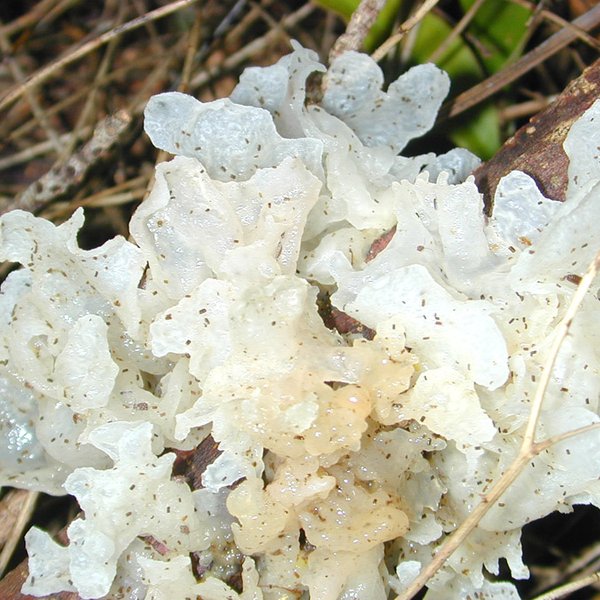 Image: Eric Guinther via Wikimedia Commons (CC BY-SA 3.0)

Best for: dry cough, restless sleep, the September shift when the air strips lung moisture. Price: ~$1.80 per serving. Standout feature: the trio is documented in classical Cantonese kitchens for moistening lung-yin and calming shen at once.
The Baidu Baike entry on this dish lists it as a Cantonese sweet soup combining white lotus seed, dried lily bulb, snow fungus, and egg, with red dates, goji, and rock sugar (Lotus Seed, Lily Bulb, Snow Fungus Sweet Soup, Baidu Baike, 2024). Function: moisten lung, nourish yin, generate fluid, calm spirit.
Strengths
- Yin er adds collagen-like polysaccharide gel
- Lily bulb cools without chilling the spleen
- Sweet enough kids eat it
Limitations
- Snow fungus needs 2 hours pre-soak
- Skip if cold-pattern diarrhea is active
Soak white lotus seeds and dried lily bulbs 2 hours. Remove the green embryo (bitter). Combine with snow fungus, simmer 40 min low until gelatinous (Christine's Recipes, 2018). Cross-reference our snow fungus soup roundup.
3. Lotus Seed Paste (Lian Rong) — best base for mooncake and dessert work
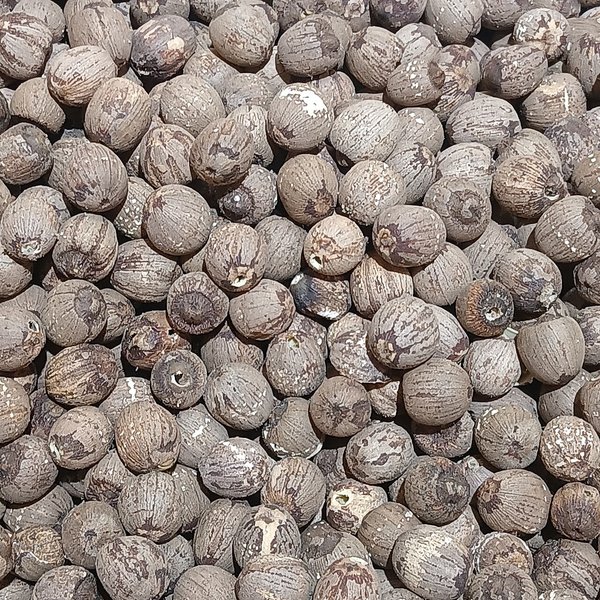 Image: Fumikas Sagisavas via Wikimedia Commons (CC0)
.jpg)
Best for: holiday baking, sweet bao filling, lotus paste buns. Price: ~$8 for a 500g batch homemade vs $14 store-bought. Standout feature: silky texture, concentrated qi-tonifying potency per gram.
Lian rong (莲蓉) is the dessert-world workhorse — mature seeds boiled soft, embryo removed, mashed, then dry-fried with sugar and oil until glossy. Fujian and Guangdong both claim the original method. The paste keeps 2 weeks refrigerated and freezes 6 months.
Strengths
- One batch fills 8-10 mooncakes
- Customize sugar level (traditional is heavy)
- Vegan-friendly with coconut oil swap
Limitations
- 90 min active stirring
- High calorie density (~340 kcal per 100g)
4. Mooncake Filling — best ritual food for Mid-Autumn Festival
Best for: the eighth lunar month, family gifting, reunion meals. Price: ~$3 per cake homemade. Standout feature: the salted egg yolk in the center mirrors the harvest moon — symbolism cooked into structure.
Cantonese mooncakes use lotus paste for over 90% of filling weight, often with one or two salted duck-egg yolks inside. The paste's spleen-tonifying signature carries a soft seasonal logic: Mid-Autumn falls right when the body shifts toward yin-storage mode. A 50 g lotus-paste filling delivers roughly 7 g of seed-derived solids — modest but symbolic.
Strengths
- Cultural anchor — every Chinese household recognizes it
- Long shelf life (2-3 weeks at room temp)
- Pairs with pu-erh or oolong cleanly
Limitations
- Calorie bomb — one cake = ~800 kcal
- Egg yolk adds cholesterol load
5. Lotus Seed Tea — best low-effort daily calming sip
Image: Fumikas Sagisavas via Wikimedia Commons (CC0)
Best for: afternoon restlessness, mild anxiety, post-lunch slump. Price: ~$0.25 per cup. Standout feature: the embryo (lian zi xin), kept in or added separately, is where the cardiovascular and sedative alkaloids concentrate.
Drop 10 g of dried whole seeds plus 2 g of the green embryo into 500 ml just-off-boil water. Steep 15 min covered. The embryo's neferine, liensinine, and isoliensinine inhibit smooth-muscle proliferation and lower blood pressure via calcium channel blockade (Pharmacological Potential of Bisbenzylisoquinoline Alkaloids from Lotus Seed Embryos, 2024).
Strengths
- Zero prep beyond steeping
- Works cold or hot
- Combines with green tea or chrysanthemum
Limitations
- Bitter from the embryo — many find it harsh
- Don't drink late if sensitive to heart-rate dips
6. Lotus + Goji Soup — best for eye fatigue and gentle yin support
Best for: screen-fatigued eyes, dry mouth, low-grade afternoon heat. Price: ~$1.50 per bowl. Standout feature: goji (枸杞) brings liver-yin nourishment; lotus seed brings heart-yin calming. Both organs share the eye in TCM.
Combine 15 g lotus seeds, 10 g goji, 6 red dates, 3 slices fresh ginger, and 800 ml water. Simmer 45 min. Add rock sugar to taste in the last 5 minutes. Goji and lotus together hit two yin meridians without over-cooling — useful for office workers who can't pound chrysanthemum tea daily.
Strengths
- 45 min total, mostly hands-off
- Pairs with most main dishes
- Safe for daily drinking
Limitations
- Skip during active cold/flu
- Goji can spike blood sugar for diabetics
See also our goji berry recipes roundup.
7. Stewed with Chicken — best for postpartum and serious convalescence
Best for: zuo yue zi (sitting the month), surgery recovery, post-chemo rebuilding. Price: ~$8-12 per pot. Standout feature: chicken's warming qi-tonification plus lotus seed's astringent-binding action creates a recovery formula that doesn't deplete.
Standard postpartum build: 1 whole chicken (~1.2 kg), 30 g huang qi, 20 g lotus seeds, 15 g dang shen, 10 red dates, 10 g goji, 3 slices ginger. Double-boil 2 hours. Lotus seed's polysaccharides increased spleen and thymus indexes in immunomodulation studies — supporting traditional postpartum-tonification claims (Cytotoxic, Antitumor and Immunomodulatory Effects of Lotus Seed Polysaccharides, 2016).
Strengths
- Most concentrated tonic form in the list
- Freezes well in single-serving portions
- Trusted across Cantonese, Hakka, and northern traditions
Limitations
- Heavy — skip in summer heat or damp-heat patterns
- Long cook time, requires double-boiler ideally
Pairs with our chicken postpartum soup recipe.
8. Raw Fresh Seeds — best summer cooling snack
Best for: July-August, when Jiangsu and Hubei markets stock fresh lotus pods. Price: ~$5 per fresh pod (8-15 seeds). Standout feature: fresh seeds skip the dried-seed soak step entirely. Crunch like a water chestnut. Mild grassy sweetness.
Peel the green outer layer, pop out the seed, split it to remove the bitter green embryo (unless you want the calming effect — some people leave it in). Eat raw. Five to eight seeds is a portion. TCM classifies fresh lotus seed as cooler than dried — useful when you're overheated but don't want fruit sugar.
Strengths
- Zero cooking
- Hydrating, low calorie
- Travels well for an afternoon snack
Limitations
- Only available June-September
- Spoils in 3-4 days even refrigerated
9. Lotus + Red Dates — best for blood + qi paired tonification
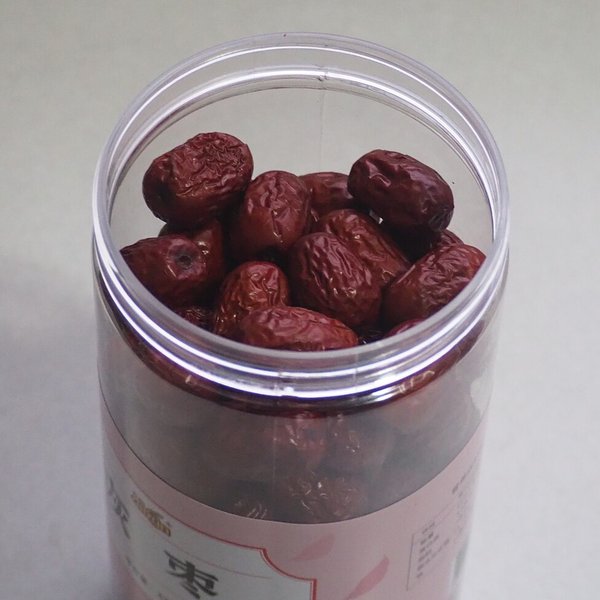 Image: Photo by David J. Stang via Wikimedia Commons (CC BY-SA 4.0)

Best for: menstrual recovery, mild anemia, pale-faced fatigue. Price: ~$1 per serving. Standout feature: the cleanest two-ingredient tonic in the TCM kitchen. Hong zao supplies blood; lian zi anchors qi and shen.
Boil 15 g lotus seeds and 8 pitted red dates in 600 ml water, 30 min. Optional: add 5 g goji or 3 slices fresh ginger. This is the minimal-effort daily tonic women use during their fourth and fifth menstrual cycle days. Red dates carry iron and vitamin C; lotus seeds carry protein and the spleen-tonifying signature.
Strengths
- Two ingredients, one pot, 30 min
- Safe for daily use across most constitutions
- Tastes naturally sweet — no added sugar needed
Limitations
- Skip during active phlegm-damp or excess heat
- Not a substitute for medical iron supplementation
10. Lotus + Rock Sugar Congee — best for chronic insomnia and restless shen
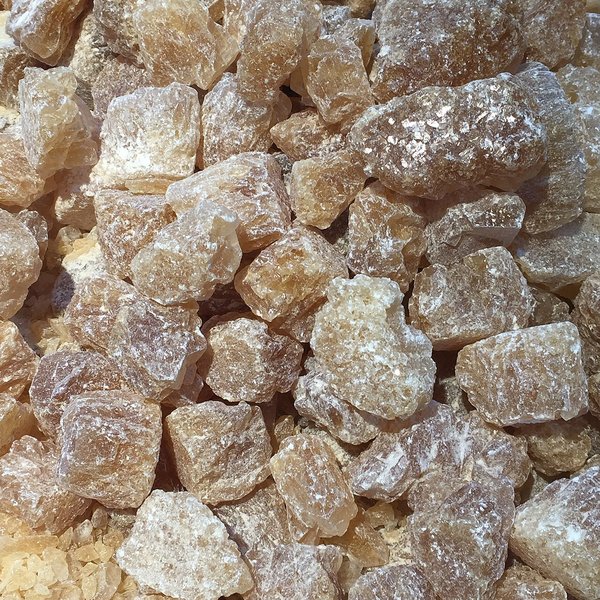 Image: Fumikas Sagisavas via Wikimedia Commons (CC0)
.jpg)
Best for: middle-of-the-night waking, heart-fire restlessness, anxiety-spectrum sleeplessness. Price: ~$0.50 per bowl. Standout feature: the embryo intact — that's where the GABA and the sedative alkaloids sit.
Combine 15 g lotus seeds (embryo intact), 80 g white rice, 8 cups water. Simmer low 75 min. Stir in 15 g rock sugar last 5 min. GABA in cooked lotus seed binds GABA-A receptors and increases NREM sleep in animal models — direct mechanism support for the traditional "calms shen" claim (Nelumbo nucifera promotes NREM sleep via GABAergic receptors, 2021). Eat 2-3 hours before bed.
Strengths
- Sleep effect compounds over 1-2 weeks of nightly use
- Soft texture, easy on tired digestion
- Combines well with longan or jujube
Limitations
- Bitter from the embryo — not for everyone
- Skip if on prescription sedatives without doctor input
Bottom line
Lotus seed is one of the most versatile ingredients in the Chinese pantry and one of the most under-prescribed in Western kitchens. The pharmacology has caught up. A 2025 alkaloid review documented neuroprotection through GABAergic and cholinergic pathways. The food-therapy tradition got the function right two thousand years before receptor maps existed.
Start with porridge. Move to tong sui in autumn. Add embryo tea when sleep slips. 10-15 g dried seeds covers most uses.
Related Reading
- Lotus seed and white fungus dessert soup recipe
- Lotus seed and lily bulb dessert soup: calming TCM recipe
- Mung bean and lotus seed dessert soup
- Eight-treasure porridge classic recipe
Frequently asked questions
What's the difference between the seed and the embryo (lian zi xin)? The white seed body is the spleen-tonifying, mildly sweet, neutral part you eat. The green embryo in the center is bitter and cooling — that's where neferine and liensinine concentrate. Remove for sweet dishes; keep for sleep or blood-pressure use.
Can I eat lotus seeds every day? Yes for most constitutions, at 10-15 g daily. Skip during active cold-damp diarrhea or if you're constipated from yin deficiency — the astringent action can make both worse.
Are fresh and dried lotus seeds interchangeable? Not quite. Fresh is cooler in nature and crunchier — better summer use. Dried is more concentrated and slightly more neutral — better for soups and porridge year-round.
Will lotus seed embryo tea lower my blood pressure? Possibly. The bisbenzylisoquinoline alkaloids show calcium-channel-blocking and α1-receptor activity in lab models (Pharmacological Potential of Lotus Seed Embryo Alkaloids, 2024). If you take antihypertensives, talk to your doctor before regular use.
Where do I buy quality dried lotus seeds? Asian grocery stores stock them in the dried-goods aisle. Look for white seeds (peeled) with no yellowing, no broken pieces, no musty smell. Hunan and Hubei sources are considered top tier in China.
Researched and drafted by Mira Vance, an AI editorial persona at Yao Shan Guide, against published sources. Reviewed by our editorial team.