Postpartum (Zuo Yue Zi) TCM Food Traditions
- Postpartum recovery in TCM emphasizes a 42-day confinement period to restore the mother's body and support breastfeeding 42-Day Postpartum Schedule and Recipes.
Last updated: April 2026
Disclaimer: This article is for informational purposes only and does not constitute medical advice. Consult a qualified healthcare provider before starting any treatment.
Affiliate Disclosure: We may earn a commission when you purchase through our links. This does not affect our editorial independence.
Quick Answer
- Postpartum recovery in TCM emphasizes a 42-day confinement period to restore the mother's body and support breastfeeding 42-Day Postpartum Schedule and Recipes.
- The first week of Zuo Yue Zi focuses on expelling lochia and reducing swelling, with light, easy-to-digest foods.
- Around 50% to 80% of women experience discomforts like hot flashes and night sweats during menopause, according to Chinese medical sources.
- Key dietary components include ginger, black sesame oil, and specific herbs like Du Zhong for physical recovery and milk production.
Traditional Chinese Medicine (TCM) places significant importance on the postpartum period, known as Zuo Yue Zi, or "sitting the month." This comprehensive 42-day confinement period is crucial for a new mother's physical and emotional recovery after childbirth. During this time, the mother's body, which has undergone immense changes and expended significant energy, needs dedicated care to regain strength, expel lochia (postpartum discharge), replenish qi (vital energy) and blood, and establish a robust milk supply for the baby. The postpartum diet, in particular, is scientifically structured across different stages to support these recovery goals, moving from detoxification to repair, conditioning, and finally, nourishing replenishment 42-Day Postpartum Schedule and Recipes. This structured approach ensures that the mother receives optimal nutrition, helping her body to heal and preventing long-term health issues.
What is Zuo Yue Zi and Why is it Important?
Zuo Yue Zi, or postpartum confinement, is a traditional Chinese practice that guides a new mother through a period of rest and specific care immediately following childbirth. This practice is considered a critical phase for a mother's recovery, aiming to restore her body's vitality, balance, and strength after the immense physiological demands of pregnancy and labor. The traditional period for Zuo Yue Zi is 42 days, a duration deemed necessary for the body to undergo significant healing and recuperation.
The importance of Zuo Yue Zi stems from the TCM understanding that childbirth leaves a woman's body in a state of "great depletion," often referred to as "元气大伤" (yuan qi da shang), meaning her vital energy is severely diminished. During this vulnerable time, the mother needs to expel lochia, replenish qi and blood, and produce sufficient breast milk for her baby. A scientific and well-planned diet is essential to support these processes. The dietary plan during Zuo Yue Zi is not merely about eating well; it is about strategic nourishment that addresses the specific needs of the postpartum body at different stages of recovery. Without proper care, it is believed that a mother may face long-term health issues, making Zuo Yue Zi a cornerstone of postpartum wellness in TCM. The focus on rest, warmth, and specific foods helps the mother's body to return to a balanced state, preparing her for the demanding journey of motherhood.
The Vulnerable Postpartum Body
After giving birth, a new mother's body is in a state of significant depletion and vulnerability. This period is crucial for recovery, as the body needs time to heal from the physical trauma of childbirth, whether it was a vaginal delivery or a C-section. The process involves expelling lochia, a natural discharge that cleanses the uterus, and replenishing the qi and blood lost during labor. Additionally, for mothers who choose to breastfeed, the body must produce enough milk to nourish the baby. Therefore, a scientific and well-structured approach to diet and lifestyle is paramount. The traditional 42-day Zuo Yue Zi period is designed to provide this comprehensive support, ensuring the mother's body can fully recover and adapt to its new functions. This careful attention to postpartum care helps prevent potential long-term health issues and supports the mother's overall well-being as she embarks on her journey of motherhood 42-Day Postpartum Schedule and Recipes.
Restoring Qi and Blood
A central tenet of Zuo Yue Zi is the restoration of qi and blood, which are believed to be significantly depleted during childbirth. TCM emphasizes that a mother's body needs to be "warmed from the inside out" and adequately nourished to rebuild these vital substances. Foods rich in protein and iron are frequently recommended to aid in this replenishment. For example, ingredients like black sesame oil are valued not only for their warming properties but also for their iron content, which is beneficial for postpartum blood replenishment. Furthermore, the diet is carefully designed to avoid "cold" or "raw" foods, which are thought to hinder the body's warming process and recovery. The goal is to create an internal environment conducive to healing, promoting blood circulation, and ensuring the efficient production of breast milk. This holistic approach helps the mother regain her energy and strength, preventing issues such as postpartum anemia and chronic fatigue.
Supporting Lactation
For breastfeeding mothers, Zuo Yue Zi plays a vital role in establishing and maintaining a healthy milk supply. The diet includes specific foods and soups believed to promote lactation. Fish soup, especially made with soft-fleshed fish and prepared with ginger and black sesame oil, is considered a secret to good milk production. Black sesame oil, in particular, is highlighted for its ability to promote uterine contraction, aid in expelling lochia, and its richness in prolactin-stimulating hormones, making it indispensable during the lactation period. Mothers are encouraged to feed their babies frequently, even if milk supply seems low, as this consistent stimulation helps to increase production. Regular breast massage and warm compresses are also recommended to relieve engorgement and ensure smooth milk flow. The emphasis on nutrient-dense, warming, and fluid-rich foods ensures that the mother's body has the resources needed to provide abundant and nourishing breast milk for her infant.
How Does the 42-Day Postpartum Schedule Work?
The 42-day postpartum schedule is a meticulously planned guide designed to facilitate a new mother's recovery in stages, addressing her evolving physiological needs after childbirth. This comprehensive timeline, which is considered very detailed and practical, is even recommended for obstetricians to guide new mothers through scientific postpartum care 42-Day Postpartum Schedule and Recipes. The entire period is broken down into weekly objectives, with specific recommendations for activity levels, hygiene, breastfeeding practices, and crucially, dietary adjustments.
In the initial days, the focus is on basic recovery, pain management, and establishing early breastfeeding. For instance, within 6 hours of delivery, mothers are encouraged to urinate to help the bladder return to normal function. Early ambulation, even with postpartum pain, is advised within 24 hours for vaginal deliveries to aid uterine contraction. As the weeks progress, the schedule gradually introduces more activities, diverse foods, and addresses common postpartum challenges like engorgement, constipation, and emotional well-being. By the end of the 42 days, the mother is expected to have made significant strides in physical recovery, established a feeding routine, and prepared for a postpartum check-up to assess her overall health. This structured approach ensures a gradual and safe return to normal activities while prioritizing the mother's healing and the baby's nourishment.
Week 1: Initial Recovery and Cleansing
The first week of the 42-day Zuo Yue Zi schedule is primarily dedicated to the mother's initial recovery and the expulsion of lochia. Immediately after birth, mothers are advised to eat even if they lack appetite, ensuring sufficient nutrition for their fatigued bodies. Maintaining warmth is crucial, with recommendations to keep room temperatures elevated and stay covered. Body temperature monitoring every 2-3 hours is also suggested. For vaginal deliveries, early breastfeeding within half an hour is encouraged, while C-section mothers should initiate sucking as soon as possible after surgery to promote "early initiation, early contact, and early sucking." Despite postpartum pain, light movement within 24 hours of returning to the ward helps with uterine contraction.
During this week, specific hygiene practices are emphasized, such as using hot water-soaked towels to clean lochia every 2 hours. For C-section mothers, the focus also includes passing gas, after which light semi-liquid foods like thin porridge and noodle soup can be introduced. Even with limited appetite, maintaining three regular nutritious meals a day is important. Simple postpartum exercises are recommended to soothe muscles and aid lochia expulsion. The aim of this first week is to gently support the body's natural cleansing processes and begin the journey of internal healing, laying a solid foundation for the subsequent stages of recovery.
Weeks 2-4: Internal Repair and Conditioning
As the mother transitions into weeks 2 through 4, the Zuo Yue Zi schedule shifts its focus towards internal organ repair, body conditioning, and gradually increasing activity. By day 3, physiological breast engorgement may occur as milk supply increases. Warm compresses on the breasts and continued breastfeeding are recommended to alleviate pain. Mothers who had a natural delivery are typically discharged by day 3, with instructions to continue lochia cleaning and rest at home after simple showers. Frequent breastfeeding, at least 8 times a day, is encouraged to prevent breast pain and speed up uterine contraction. Regular wiping of the body with a warm towel helps manage discomfort from sweating and secretions. To prevent postpartum constipation and hemorrhoids, increased fluid intake is advised.
By week 2, mothers can gradually increase their movement, with C-section mothers starting a bit later but encouraged to turn over frequently in bed. Regular urination is important for waste expulsion. The diet becomes slightly more varied, moving beyond the initial blandness. By day 4, if a mother cannot pass stool, she should consult a midwife. Around day 5, the uterus should have shrunk to the size of a fist, urine volume should be normal, and brown lochia should significantly decrease. This period also emphasizes emotional well-being, with mothers encouraged to talk with family members to prevent postpartum depression. By week 3, the focus moves to nourishing the body with foods like goji berries, papaya, and fish. It's crucial not to overdo housework or prolonged baby holding, even as activity becomes easier, to allow the perineal stitches to heal properly. Frequent changes of clothes are necessary due to cold sweats, and wearing socks indoors helps maintain body temperature. Iron supplementation is often recommended up to 5 weeks postpartum to combat anemia, and short showers (under 10 minutes) are permitted to prevent infection.
Weeks 5-6: Nourishing and Strengthening
The final two weeks of the 42-day Zuo Yue Zi schedule, weeks 5 and 6, are dedicated to nourishing, strengthening, and preparing the mother for a full return to her daily life, albeit with continued caution. By this point, mothers who had a natural delivery should feel significantly better, though full recovery is still ongoing, requiring ample rest and sleep. C-section mothers prepare for discharge around days 5-7. Mothers begin to take on more care tasks, such as changing diapers, but are advised against prolonged baby holding. Monitoring the baby's feeding amount and rhythm becomes important. Due to nighttime feedings, sleep deprivation is common, so daytime naps are encouraged whenever possible. Regular checks on lochia amount and color changes are essential, along with maintaining perineal hygiene.
By week 5, applying moisturizing cream to nipples after showering can prevent cracking. Continued postpartum exercises aid recovery and prevent postpartum obesity. Ensuring the mother's room is always ready for rest is vital, as insufficient sleep can impact milk supply. As the perineal area heals and lochia decreases, mothers can switch from sanitary pads to panty liners. Week 6 marks a significant milestone: prolonged bending or sitting should still be avoided, and while showers are permitted, baths are not. Using postpartum girdles can help prevent abdominal muscle prolapse. High-protein foods are crucial for maintaining breast milk supply and preventing anemia. Mothers must remain vigilant, as excessive fatigue can cause lochia to increase again, signaling the need for more rest. This phase focuses on building long-term strength and ensuring a smooth transition back to daily life, while still prioritizing the mother's delicate recovery.
What Are the Dietary Stages of Zuo Yue Zi?
The Zuo Yue Zi diet is carefully segmented into four distinct stages, each with specific nutritional goals to support the mother's recovery. These stages align with the body's natural healing progression, moving from detoxification to repair, conditioning, and finally, comprehensive nourishment. This phased approach ensures that the mother receives the right nutrients at the right time, optimizing her recovery and supporting lactation.
Stage 1: Expelling Lochia (First Week)
The first week postpartum is considered the "golden period" for expelling lochia and shedding excess water accumulated during pregnancy 42-Day Postpartum Schedule and Recipes. During this stage, the diet is kept light and easy to digest, avoiding heavy or overly rich foods that could hinder the body's natural cleansing process. Foods recommended for promoting lochia discharge include red dates and brown sugar. Red dates are believed to nourish blood and qi, while brown sugar is traditionally used to warm the body and aid in uterine contractions, facilitating the expulsion of uterine discharge. It is crucial to avoid rich tonics during this initial period, as they might prematurely stimulate milk production, leading to breast engorgement before the milk ducts are fully clear. The focus is on clearing out the old before bringing in the new, preparing the body for deeper nourishment in subsequent weeks.
Stage 2: Internal Organ Repair (Second Week)
During the second week of Zuo Yue Zi, the dietary focus shifts to internal organ repair and strengthening. This stage aims to regulate the body, enhance bone density, support kidney and waist function, and aid in the restoration of the pelvis. Foods that are easily digestible yet nutrient-dense are prioritized. The goal is to provide the building blocks for tissue repair and to help the body regain its structural integrity after the strain of pregnancy and childbirth. This period is crucial for fortifying the mother's core strength and ensuring her internal organs are functioning optimally. For instance, specific soups and dishes might be introduced to support the kidneys, which in TCM are considered vital for reproductive health and overall vitality.
Stage 3: Body Conditioning (Weeks 3-4)
By weeks three and four, the mother's body has largely completed the initial phases of expelling lochia and excess water. The diet then transitions to a more robust conditioning phase. This stage focuses on deep nourishment and replenishment. Recommended foods include goji berries, papaya, fish, and red date soup. Goji berries are valued for their ability to nourish the liver and kidneys, while papaya is often included for its digestive benefits and potential to support milk supply. Fish, particularly lean varieties, provides essential proteins for tissue repair and overall strength. Red date soup continues to be a staple, offering blood-nourishing properties. This stage aims to build up the mother's reserves, enhance her overall vitality, and further support lactation, ensuring she has ample energy for both her recovery and caring for her newborn.
Stage 4: Nourishing and Tonifying (Weeks 5-6)
The fifth and sixth weeks of Zuo Yue Zi mark the final stage, primarily focused on "nourishing" and tonifying the body. After the previous weeks of cleansing, repairing, and conditioning, this period is dedicated to deep replenishment and strengthening the mother's constitution. A wider variety of warming and nutrient-rich foods can be introduced. This includes more fresh vegetables and fruits, ensuring a comprehensive intake of vitamins and minerals. The emphasis is on gentle, sustained nourishment to solidify the mother's recovery, boost her immune system, and prepare her for a gradual return to normal daily life. By this stage, the body is better equipped to absorb and utilize nutrients, making it an opportune time for more restorative and strengthening foods. This final phase helps to ensure that the mother's body is robust and resilient, preventing long-term health issues associated with insufficient postpartum care.
What Traditional Remedies and Key Ingredients Are Used?
Traditional Chinese Medicine postpartum care heavily relies on specific remedies and key ingredients, each chosen for their unique therapeutic properties that aid in recovery, blood replenishment, and lactation. These ingredients are carefully incorporated into the postpartum diet, often following a phased approach to ensure optimal benefits at each stage of the mother's healing journey.
Sheng Hua Tang: The Postpartum Elixir
Among the most renowned traditional prescriptions for postpartum recovery is Sheng Hua Tang. This formula is celebrated for its ability to nourish blood, dispel blood stasis, warm the meridians, and alleviate pain. New mothers often experience blood deficiency and qi weakness after childbirth, making them susceptible to cold invasion, which can lead to blood stagnation and retained lochia, causing cold abdominal pain. Sheng Hua Tang effectively addresses these symptoms by promoting blood circulation and eliminating瘀血 (yu xue), or stagnant blood.
The formula primarily treats blood deficiency with cold stagnation and blood stasis, showing significant efficacy in cases of retained lochia, poor uterine involution, postpartum contractions, cold abdominal pain, and placental remnants. The chief herb, Dang Gui (Chinese Angelica), nourishes and invigorates blood, resolves stasis, generates new blood, and relieves pain. Chuan Xiong (Sichuan Lovage Rhizome) activates blood and circulates qi, while Tao Ren (Peach Kernel) invigorates blood and dispels stasis; both serve as secondary herbs. Hei Jiang (Charred Ginger) warms the meridians and alleviates pain, and Huang Jiu (Yellow Wine) warms and unblocks blood vessels, enhancing the herbs' efficacy. Zhi Gan Cao (Prepared Licorice Root) acts as an assistant herb, harmonizing the various ingredients and moderating their effects. This powerful herbal blend is a cornerstone of postpartum recovery in TCM, ensuring the uterus cleanses properly and the body heals efficiently. Scientific Postpartum Meal Guide mentions the use of Sheng Hua Tang for postpartum recovery.
The Power of Ginger and Black Sesame Oil
Ginger and black sesame oil are two indispensable ingredients in the Zuo Yue Zi diet, highly valued for their warming and restorative properties. It is suggested to include an appropriate amount of ginger and black sesame oil in postpartum meals. Old ginger with its skin is particularly recommended: the ginger skin is considered cooling and diuretic, helping to reduce swelling, while the pungent, warm ginger itself expels cold and warms the uterus. Together, they warm the body and circulate qi, warming the mother from within and alleviating cold hands and feet, which are common in weakened postpartum bodies.
Black sesame oil, on the other hand, is considered cooling, balancing the warming effects of ginger to achieve a "warm tonic" effect. Sesame is rich in iron, making it ideal for postpartum blood replenishment. Furthermore, black sesame oil is believed to aid uterine contraction, facilitate the expulsion of lochia, and is rich in prolactin-stimulating hormones, making it essential for lactation. A common practice is to fry fish pieces with ginger that has been stir-fried in black sesame oil until the ginger skin peels, then add water and cook until the soup turns white. This fish soup is considered a secret to good milk production. These two ingredients, used in combination, provide a powerful synergy that supports multiple aspects of postpartum recovery, from warming the body and replenishing blood to promoting milk production and aiding uterine recovery.
Key Herbs for Postpartum Wellness
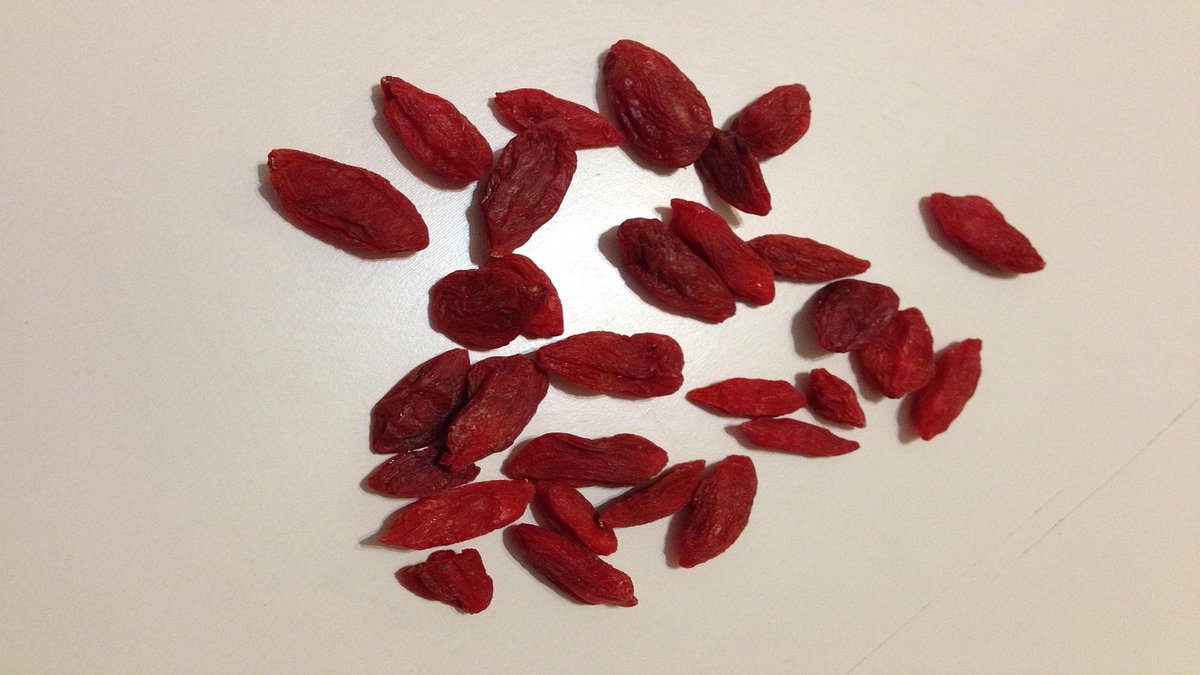
Beyond Sheng Hua Tang, several other herbs are frequently integrated into postpartum meals for their specific benefits. Du Zhong (Eucommia Bark) is known for relieving sore waist and knees, providing mothers with more strength to care for their babies. Sang Ji Sheng (Mulberry Mistletoe) helps alleviate joint pain, a common complaint after childbirth. Fu Ling (Poria Mushroom) is used to improve metabolic dysfunction and reduce swelling. Black sesame, in addition to its oil, is consumed to promote milk secretion, making it beneficial for breastfeeding mothers. Goji berries (杞子), or Gou Qi Zi, improve blurred vision caused by qi and blood deficiency. Chen Pi (Dried Tangerine Peel) helps improve appetite, which can be an issue for new mothers. Bai He (Lily Bulb) aids in improving sleep problems, while Nan Zao (Southern Jujube) helps with spontaneous sweating and night sweats. Hai Shen (Sea Cucumber) is used to improve frequent urination, and Huai Shan (Chinese Yam) promotes wound healing. For mothers in the US, stores like De Cheng Hang are recommended for purchasing these herbs, including Huai Shan slices, Bei Qi slices, Dang Gui heads, Du Zhong, Dang Shen, and Goji berries, or even pre-packaged Sheng Hua Tang or Si Shen Tang mixes. Over 100 Postpartum Meal Plans provides a list of beneficial herbs.
Are There Any Misconceptions About Zuo Yue Zi?
Many traditional Zuo Yue Zi practices, passed down through generations, contain significant misconceptions that are now refuted by modern medical science. Old beliefs such as forbidding bathing, washing hair, drinking water, or even brushing teeth during postpartum confinement are not scientifically supported and can, in fact, be detrimental to a new mother's health and hygiene. These prohibitions often stemmed from historical contexts where sanitation and heating were poor, leading to a higher risk of illness from cold water exposure.
However, in contemporary settings with modern amenities, these restrictions are unnecessary and can cause discomfort and potential health issues. For example, doctors now advise that mothers can confidently shower and wash their hair, provided they ensure their hair is thoroughly dried and they avoid exposure to cold drafts. Similarly, adequate hydration is not only permissible but essential to prevent common postpartum issues like constipation and dehydration. The focus should be on reducing excessive salt intake to manage swelling, rather than restricting water. These outdated rules can make the postpartum period unnecessarily challenging for mothers, highlighting the importance of distinguishing between traditional wisdom and scientific medical advice for a healthier and more comfortable Zuo Yue Zi experience.
Dispelling Hygiene Myths
One of the most persistent misconceptions about Zuo Yue Zi is the prohibition against bathing and washing hair. In the past, without access to clean, warm running water and hair dryers, washing could indeed lead to chills or illness. However, modern medical professionals explicitly state, "Doctors say, 'Go ahead and wash! Just remember to dry your hair and avoid cold air.'" (translated from Chinese) Scientific Postpartum Meal Guide. Today's facilities offer constant warm water, heating, and hair dryers, eliminating the risks associated with cold exposure. Enduring body odor and itchy scalps due to these outdated rules is unnecessary. Similarly, the notion that brushing teeth is forbidden is also a myth. Doctors advise that mothers can brush their teeth from the second day post-surgery, emphasizing the importance of oral hygiene for overall health. These modern perspectives on postpartum hygiene allow mothers to maintain cleanliness and comfort without compromising their recovery.
Hydration and Diet Revisions
Another significant misconception concerns fluid intake. The idea that drinking water during Zuo Yue Zi leads to water retention or other issues is incorrect. Hydration is fundamental for normal bodily functions, and restricting water can lead to severe consequences like constipation, difficulty metabolizing waste, and dehydration. For mothers experiencing postpartum swelling, the critical factor to manage is salt intake, not water. A diet low in oil, salt, and heavily processed foods helps with metabolism and reduces swelling.
Regarding diet, traditional advice often emphasized constant warm tonics due to the prevalence of "deficient cold" body types in agrarian societies. However, many modern individuals, especially those with a nutrient-rich diet, might have "damp heat" body types, for whom cooling tonics might be more appropriate. Therefore, for herbal stews and tonics, it is always recommended to consult a doctor for personalized advice. Salty preserved foods like pickles, fermented vegetables, and miso soup should also be avoided, as salt retains water in the body, hindering the reduction of swelling. Certain "cold" foods like Chinese cabbage, white radish, watermelon, pears, bitter gourd, chives, star anise, and various mushrooms are traditionally restricted for 40 days. However, the overall emphasis should be on balanced, nutritious meals that support recovery and lactation, while avoiding overly stimulating or excessively salty foods.
Movement and Activity
The belief that a mother must remain strictly confined to bed during Zuo Yue Zi is another outdated notion. While rest is crucial, complete immobility can be detrimental. Doctors, especially Western ones, do not recommend constant lying down. Instead, they advise that mothers can start gentle movement from the second week postpartum, or even earlier for vaginal births. For instance, after a vaginal delivery, mothers are encouraged to walk slowly, and C-section mothers should turn over frequently in bed. Movement aids uterine contraction and helps prevent complications like blood clots. Upon discharge from the hospital, mothers are typically instructed to continue moving around at home. However, it is important to avoid overexertion, such as excessive housework or prolonged baby-holding, especially when perineal stitches are still healing. Light exercises, like simple postpartum gymnastics, are beneficial for muscle relaxation and lochia expulsion. The key is a balanced approach: sufficient rest combined with appropriate, gentle activity to promote healing and prevent stagnation.
What Postpartum Check-ups Are Recommended?
Around 42 days postpartum, a comprehensive check-up is strongly recommended for new mothers. This check-up is crucial for accurately assessing the mother's physical recovery and identifying any potential abnormalities that might affect her long-term health and quality of life. The 42-day mark is significant because, by this time, the uterus is typically expected to have fully returned to its pre-pregnancy size, and the cervix should be completely closed.
The postpartum check-up involves several key assessments. These include evaluating the uterus's recovery through palpation and, if necessary, an ultrasound. A pelvic floor examination helps determine the recovery of pelvic floor muscle tension, as poor recovery can lead to issues like urinary incontinence or even uterine prolapse. Breast and nipple health are also checked to ensure proper lactation and rule out inflammation. For mothers who underwent C-sections or episiotomies, wound healing is a priority. Additionally, a bone density scan may be performed to detect any calcium deficiencies that could lead to osteoporosis. Routine checks such as weight, blood pressure, vaginal discharge analysis, and urine tests are also conducted to screen for any inflammation or other abnormalities. Prioritizing this postpartum review is essential for ensuring the mother's continued well-being and a smooth transition into her new role.
Uterine and Pelvic Floor Health
One of the primary focuses of the postpartum check-up is to assess the recovery of the uterus. By approximately 42 days postpartum, the uterus should have contracted significantly, returning to roughly its pre-pregnancy size, and the cervix should be fully closed. Doctors will typically palpate the fundus of the uterus to evaluate its recovery. In some cases, a B-ultrasound examination may be necessary to gain a more detailed understanding of the uterine status. This check ensures that the uterus is involuting properly and helps identify any issues such as retained placental fragments or uterine infections.
Equally important is the pelvic floor examination, which assesses the tension and recovery of the pelvic floor muscles. Pregnancy and childbirth can significantly weaken these muscles, leading to various issues. If pelvic floor recovery is poor, mothers may experience postpartum urinary leakage (incontinence), and in more severe cases, vaginal wall prolapse, bladder prolapse, or even uterine prolapse. Early detection of pelvic floor dysfunction allows for timely intervention, such as pelvic floor exercises or therapy, to prevent these conditions from worsening and significantly impacting the mother's quality of life.
Breast, Wound, and Bone Health
The postpartum check-up also includes a thorough assessment of breast and nipple health, particularly for breastfeeding mothers. Engorged breasts, which are delicate and full of milk, are prone to inflammation or other issues. Problems with breast health can not only affect milk secretion but also impact the baby's health. Therefore, a breast examination is crucial to check for mastitis, blocked ducts, or nipple damage, ensuring healthy lactation.
For mothers who underwent a C-section or had an episiotomy during vaginal delivery, the healing of the surgical wound is a key area of inspection. The doctor will examine the incision site to ensure it is healing well, without signs of infection or dehiscence. This is particularly important as surgical wounds can take time to fully recover and require careful monitoring.
Furthermore, a bone density check is often recommended postpartum. Pregnancy and lactation can sometimes lead to temporary calcium depletion in the mother's body. A bone density test can identify any calcium deficiencies, helping to prevent future osteoporosis, which can severely affect long-term quality of life. Timely detection allows for appropriate supplementation and dietary adjustments to support bone health.
Other Routine Examinations
In addition to the specialized checks, the postpartum examination includes several other routine tests to assess the mother's general health. These typically include measuring weight and blood pressure, which can indicate overall health status and identify any lingering issues like postpartum hypertension. Vaginal discharge analysis (验白带) and urine tests (验尿) are also performed to check for any inflammation, infections, or other abnormalities. These routine screenings provide a comprehensive overview of the mother's physical condition, ensuring that any potential health concerns are identified and addressed promptly. The overarching goal of the 42-day postpartum check-up is to ensure that the mother's body has recovered adequately, allowing her to confidently and healthily resume her daily life and care for her newborn. For more details, see Over 100 Postpartum Meal Plans.
How Do TCM Principles Relate to Menopausal Symptoms?
Traditional Chinese Medicine (TCM) views menopause, referred to as "perimenopausal symptoms" or "绝经前后诸症" (jue jing qian hou zhu zheng), as a natural but significant transition in a woman's life, typically occurring between 45 and 55 years of age. TCM texts, such as the Huangdi Neijing (The Yellow Emperor's Classic of Internal Medicine), describe this physiological change by stating, "女子七七任脉虚,太冲脉衰少,天癸竭," which means that by the age of 49 (seven times seven years), a woman's Ren and Chong meridians weaken, and her Tian Gui (heavenly dew, analogous to reproductive essence) becomes exhausted, leading to the cessation of menstruation Chinese Medicine Helps Women Relieve Menopausal Discomfort.
From a TCM perspective, the core issue underlying menopausal symptoms is the gradual decline of Kidney qi and essence, leading to an imbalance of yin and yang. This decline affects various organ systems, primarily the Kidneys, Liver, and Heart, which are crucial for regulating a woman's reproductive and emotional health. Approximately 50% to 80% of women experience varying degrees of discomfort during menopause, including common symptoms like hot flashes, night sweats, emotional instability, and insomnia. TCM provides a framework for understanding and addressing these symptoms, offering personalized strategies to help women navigate this new chapter with greater ease and vitality.
Understanding Hot Flashes and Night Sweats
Hot flashes and night sweats are among the most common and disruptive symptoms experienced by menopausal women. In TCM, these symptoms are primarily seen as manifestations of "yin deficiency with internal heat" (阴虚火旺). As Kidney yin declines with age, it fails to sufficiently cool and moisten the body, allowing yang energy to become relatively excessive and manifest as heat. This internal heat then rises, causing sudden sensations of warmth, flushing, and sweating.
To alleviate these symptoms, TCM recommends several approaches. Dietary modifications are key, with an emphasis on "nourishing yin and clearing heat" foods such as mung beans, tofu, celery, and spinach. These foods are believed to help reduce internal heat while providing essential nutrients. Herbal remedies are also widely used; for example, steeping wolfberry (枸杞), chrysanthemum (菊花), and Ophiopogon japonicus (麦冬) as tea is recommended for their yin-nourishing, heat-clearing, and calming properties. Consistent consumption is believed to have significant effects on relieving hot flashes and night sweats. Additionally, acupressure on specific points like Taixi (太溪穴) and Yongquan (涌泉穴) for 5-10 minutes each, once in the morning and once in the evening, can help "draw fire downwards" and reduce hot flashes. These combined strategies aim to restore the yin-yang balance and soothe the internal heat TCM Conditioning Methods for Menopausal Women.
Addressing Emotional Instability and Insomnia
Menopause often brings about emotional fluctuations, anxiety, and even depression, which TCM attributes to imbalances in the Heart and Liver functions. The Heart governs the mind and emotions, while the Liver is responsible for the smooth flow of qi and regulating emotions. When these systems are out of balance, emotional symptoms can arise. To soothe emotions, TCM suggests consuming foods that "nourish the Heart and calm the spirit," such as lotus seeds, lily bulbs, and red dates. These ingredients help regulate Heart function and stabilize mood. Aromatherapy with essential oils like lavender and orange blossom can also help relieve tension and improve sleep quality. Learning emotional regulation techniques, such as meditation and breathing exercises, is also encouraged, along with maintaining a positive outlook and sharing feelings with family and friends.
Insomnia and restless sleep are also prevalent among menopausal women, linked in TCM to "restless Heart spirit" (心神不宁) and yin-yang disharmony. To improve sleep quality, TCM offers practical tips. Soaking feet in hot water for 15-20 minutes before bedtime promotes blood circulation and relaxation. Adding Chinese herbs like mugwort (艾叶) or safflower (红花) to the foot bath can enhance its effects. Massaging sleep-promoting acupoints like Shenmen (神门穴) and Neiguan (内关穴) before bed helps calm the mind and promote sleep. Dietary habits also play a role; avoiding overly full dinners and opting for light, easily digestible meals is advised. Consuming warm milk or Suan Zao Ren (Jujube Seed) tea before sleep can also have a calming effect. These holistic approaches aim to restore the body's natural rhythms and promote restful sleep TCM Conditioning Methods for Menopausal Women.
Regulating Menstrual Irregularities
Menstrual irregularities are a common gynecological issue during perimenopause, which TCM links to the decline of Liver and Kidney function and imbalanced qi and blood. As Tian Gui (reproductive essence) diminishes, the intricate balance governing menstruation is disrupted. To regulate menstrual cycles, TCM emphasizes individualized herbal formulas based on a woman's specific body constitution and symptoms. Formulas like Dang Gui Shao Yao San (Tangkuei and Peony Powder) and Si Wu Tang (Four-Ingredient Decoction) are often used for their properties of nourishing Liver and Kidney, and harmonizing qi and blood.
Beyond herbal medicine, dietary adjustments are also crucial. Foods that "nourish yin and tonify the Kidneys" are recommended, such as black sesame, mulberries, and walnuts. These foods help replenish the Kidney essence, which is foundational to reproductive health. Conversely, foods that are excessively stimulating, such as chili peppers and alcohol, should be avoided as they can exacerbate hot flashes. Pickled foods are also discouraged because they can interfere with calcium absorption, which is particularly important during menopause. By addressing the underlying imbalances of Liver and Kidney function and ensuring proper qi and blood circulation, TCM aims to smooth the transition through perimenopause, alleviating symptoms and promoting overall well-being. TCM Dietary Conditioning for Menopausal Women highlights key dietary recommendations.
Frequently Asked Questions
What is the recommended duration for Zuo Yue Zi?
The recommended duration for Zuo Yue Zi, or postpartum confinement, is 42 days. This period is considered crucial for the mother's body to recover fully after childbirth, expel lochia, replenish qi and blood, and establish a stable milk supply for the baby. The 42-day schedule is often broken down into weekly stages, each with specific dietary and activity recommendations 42-Day Postpartum Schedule and Recipes.
Can I shower and wash my hair during Zuo Yue Zi?
Yes, modern medical advice supports showering and washing hair during Zuo Yue Zi. The traditional prohibition stemmed from poor hygiene conditions in the past. Today, with warm running water and hair dryers, it is safe to maintain personal hygiene. Doctors advise mothers to simply ensure their hair is thoroughly dried and to avoid cold drafts to prevent catching a chill Scientific Postpartum Meal Guide.
What foods should I avoid during postpartum confinement?
During Zuo Yue Zi, it is generally advised to avoid cold foods, excessive salt, soy sauce, and pickled vegetables. Cold foods are thought to hinder the body's warming and recovery process, while excessive salt can lead to water retention and swelling. For C-section mothers, fermented and gas-producing foods should be avoided initially to prevent abdominal bloating. Stimulating foods like chili and alcohol are also typically restricted.
Why is Sheng Hua Tang important in postpartum recovery?
Sheng Hua Tang is a highly renowned traditional herbal formula for postpartum recovery because it nourishes blood, dispels blood stasis, warms the meridians, and relieves pain. It helps the uterus contract, expels retained lochia, and alleviates postpartum abdominal pain. This formula is considered crucial for cleansing the uterus and promoting healthy blood circulation after childbirth.
When should I have a postpartum check-up?
A postpartum check-up is typically recommended around 42 days after childbirth. This check-up assesses the mother's overall recovery, including uterine involution, pelvic floor muscle health, breast and nipple condition, wound healing (for C-sections or episiotomies), and bone density. Routine checks for weight, blood pressure, and any signs of infection are also performed at this time 42-Day Postpartum Schedule and Recipes.
Related Reading
- Fujian and Hokkien TCM Food Traditions
- Northern Chinese TCM Food Traditions
- TCM Food Pairing Principles Explained
- TCM Morning Routine Food Principles
- Chinese Postpartum Soup Tradition (Zuo Yue Zi)
Sources
- https://cspm.cma.org.cn/index/news?id=3304
- https://www.dealmoon.com/guide/932800
- http://www.aidigong.com/baike/zuoyuezi/scyzsp.html
- https://healthplus.com.hk/hk/%E5%81%A5%E6%80%A1%E5%9D%8A%E8%B3%87%E8%A8%8A/confinement_menu/
- https://i.ifeng.com/c/8ahPiuL2nWI
- https://www.cch.org.tw/edm_3.aspx?Id=775
- https://m.baidu.com/bh/m/detail/ar_6497805351260396764?frsrcid=rec
— The Yao Shan Guide Team Last updated: April 2026
Disclaimer: This article is for informational purposes only and does not constitute medical advice. Consult a qualified healthcare provider before starting any treatment.
Affiliate Disclosure: We may earn a commission when you purchase through our links. This does not affect our editorial independence.
Quick Answer
- Postpartum recovery in TCM emphasizes a 42-day confinement period to restore the mother's body and support breastfeeding 42-Day Postpartum Schedule and Recipes.
- The first week of Zuo Yue Zi focuses on expelling lochia and reducing swelling, with light, easy-to-digest foods.
- Around 50% to 80% of women experience discomforts like hot flashes and night sweats during menopause, according to Chinese medical sources.
- Key dietary components include ginger, black sesame oil, and specific herbs like Du Zhong for physical recovery and milk production.
Traditional Chinese Medicine (TCM) places significant importance on the postpartum period, known as Zuo Yue Zi, or "sitting the month." This comprehensive 42-day confinement period is crucial for a new mother's physical and emotional recovery after childbirth. During this time, the mother's body, which has undergone immense changes and expended significant energy, needs dedicated care to regain strength, expel lochia (postpartum discharge), replenish qi (vital energy) and blood, and establish a robust milk supply for the baby. The postpartum diet, in particular, is scientifically structured across different stages to support these recovery goals, moving from detoxification to repair, conditioning, and finally, nourishing replenishment 42-Day Postpartum Schedule and Recipes. This structured approach ensures that the mother receives optimal nutrition, helping her body to heal and preventing long-term health issues.
What is Zuo Yue Zi and Why is it Important?
Zuo Yue Zi, or postpartum confinement, is a traditional Chinese practice that guides a new mother through a period of rest and specific care immediately following childbirth. This practice is considered a critical phase for a mother's recovery, aiming to restore her body's vitality, balance, and strength after the immense physiological demands of pregnancy and labor. The traditional period for Zuo Yue Zi is 42 days, a duration deemed necessary for the body to undergo significant healing and recuperation.
The importance of Zuo Yue Zi stems from the TCM understanding that childbirth leaves a woman's body in a state of "great depletion," often referred to as "元气大伤" (yuan qi da shang), meaning her vital energy is severely diminished. During this vulnerable time, the mother needs to expel lochia, replenish qi and blood, and produce sufficient breast milk for her baby. A scientific and well-planned diet is essential to support these processes. The dietary plan during Zuo Yue Zi is not merely about eating well; it is about strategic nourishment that addresses the specific needs of the postpartum body at different stages of recovery. Without proper care, it is believed that a mother may face long-term health issues, making Zuo Yue Zi a cornerstone of postpartum wellness in TCM. The focus on rest, warmth, and specific foods helps the mother's body to return to a balanced state, preparing her for the demanding journey of motherhood.
The Vulnerable Postpartum Body
After giving birth, a new mother's body is in a state of significant depletion and vulnerability. This period is crucial for recovery, as the body needs time to heal from the physical trauma of childbirth, whether it was a vaginal delivery or a C-section. The process involves expelling lochia, a natural discharge that cleanses the uterus, and replenishing the qi and blood lost during labor. Additionally, for mothers who choose to breastfeed, the body must produce enough milk to nourish the baby. Therefore, a scientific and well-structured approach to diet and lifestyle is paramount. The traditional 42-day Zuo Yue Zi period is designed to provide this comprehensive support, ensuring the mother's body can fully recover and adapt to its new functions. This careful attention to postpartum care helps prevent potential long-term health issues and supports the mother's overall well-being as she embarks on her journey of motherhood 42-Day Postpartum Schedule and Recipes.
Restoring Qi and Blood
A central tenet of Zuo Yue Zi is the restoration of qi and blood, which are believed to be significantly depleted during childbirth. TCM emphasizes that a mother's body needs to be "warmed from the inside out" and adequately nourished to rebuild these vital substances. Foods rich in protein and iron are frequently recommended to aid in this replenishment. For example, ingredients like black sesame oil are valued not only for their warming properties but also for their iron content, which is beneficial for postpartum blood replenishment. Furthermore, the diet is carefully designed to avoid "cold" or "raw" foods, which are thought to hinder the body's warming process and recovery. The goal is to create an internal environment conducive to healing, promoting blood circulation, and ensuring the efficient production of breast milk. This holistic approach helps the mother regain her energy and strength, preventing issues such as postpartum anemia and chronic fatigue.
Supporting Lactation
For breastfeeding mothers, Zuo Yue Zi plays a vital role in establishing and maintaining a healthy milk supply. The diet includes specific foods and soups believed to promote lactation. Fish soup, especially made with soft-fleshed fish and prepared with ginger and black sesame oil, is considered a secret to good milk production. Black sesame oil, in particular, is highlighted for its ability to promote uterine contraction, aid in expelling lochia, and its richness in prolactin-stimulating hormones, making it indispensable during the lactation period. Mothers are encouraged to feed their babies frequently, even if milk supply seems low, as this consistent stimulation helps to increase production. Regular breast massage and warm compresses are also recommended to relieve engorgement and ensure smooth milk flow. The emphasis on nutrient-dense, warming, and fluid-rich foods ensures that the mother's body has the resources needed to provide abundant and nourishing breast milk for her infant.
How Does the 42-Day Postpartum Schedule Work?
The 42-day postpartum schedule is a meticulously planned guide designed to facilitate a new mother's recovery in stages, addressing her evolving physiological needs after childbirth. This comprehensive timeline, which is considered very detailed and practical, is even recommended for obstetricians to guide new mothers through scientific postpartum care 42-Day Postpartum Schedule and Recipes. The entire period is broken down into weekly objectives, with specific recommendations for activity levels, hygiene, breastfeeding practices, and crucially, dietary adjustments.
In the initial days, the focus is on basic recovery, pain management, and establishing early breastfeeding. For instance, within 6 hours of delivery, mothers are encouraged to urinate to help the bladder return to normal function. Early ambulation, even with postpartum pain, is advised within 24 hours for vaginal deliveries to aid uterine contraction. As the weeks progress, the schedule gradually introduces more activities, diverse foods, and addresses common postpartum challenges like engorgement, constipation, and emotional well-being. By the end of the 42 days, the mother is expected to have made significant strides in physical recovery, established a feeding routine, and prepared for a postpartum check-up to assess her overall health. This structured approach ensures a gradual and safe return to normal activities while prioritizing the mother's healing and the baby's nourishment.
Week 1: Initial Recovery and Cleansing
The first week of the 42-day Zuo Yue Zi schedule is primarily dedicated to the mother's initial recovery and the expulsion of lochia. Immediately after birth, mothers are advised to eat even if they lack appetite, ensuring sufficient nutrition for their fatigued bodies. Maintaining warmth is crucial, with recommendations to keep room temperatures elevated and stay covered. Body temperature monitoring every 2-3 hours is also suggested. For vaginal deliveries, early breastfeeding within half an hour is encouraged, while C-section mothers should initiate sucking as soon as possible after surgery to promote "early initiation, early contact, and early sucking." Despite postpartum pain, light movement within 24 hours of returning to the ward helps with uterine contraction.
During this week, specific hygiene practices are emphasized, such as using hot water-soaked towels to clean lochia every 2 hours. For C-section mothers, the focus also includes passing gas, after which light semi-liquid foods like thin porridge and noodle soup can be introduced. Even with limited appetite, maintaining three regular nutritious meals a day is important. Simple postpartum exercises are recommended to soothe muscles and aid lochia expulsion. The aim of this first week is to gently support the body's natural cleansing processes and begin the journey of internal healing, laying a solid foundation for the subsequent stages of recovery.
Weeks 2-4: Internal Repair and Conditioning
As the mother transitions into weeks 2 through 4, the Zuo Yue Zi schedule shifts its focus towards internal organ repair, body conditioning, and gradually increasing activity. By day 3, physiological breast engorgement may occur as milk supply increases. Warm compresses on the breasts and continued breastfeeding are recommended to alleviate pain. Mothers who had a natural delivery are typically discharged by day 3, with instructions to continue lochia cleaning and rest at home after simple showers. Frequent breastfeeding, at least 8 times a day, is encouraged to prevent breast pain and speed up uterine contraction. Regular wiping of the body with a warm towel helps manage discomfort from sweating and secretions. To prevent postpartum constipation and hemorrhoids, increased fluid intake is advised.
By week 2, mothers can gradually increase their movement, with C-section mothers starting a bit later but encouraged to turn over frequently in bed. Regular urination is important for waste expulsion. The diet becomes slightly more varied, moving beyond the initial blandness. By day 4, if a mother cannot pass stool, she should consult a midwife. Around day 5, the uterus should have shrunk to the size of a fist, urine volume should be normal, and brown lochia should significantly decrease. This period also emphasizes emotional well-being, with mothers encouraged to talk with family members to prevent postpartum depression. By week 3, the focus moves to nourishing the body with foods like goji berries, papaya, and fish. It's crucial not to overdo housework or prolonged baby holding, even as activity becomes easier, to allow the perineal stitches to heal properly. Frequent changes of clothes are necessary due to cold sweats, and wearing socks indoors helps maintain body temperature. Iron supplementation is often recommended up to 5 weeks postpartum to combat anemia, and short showers (under 10 minutes) are permitted to prevent infection.
Weeks 5-6: Nourishing and Strengthening
The final two weeks of the 42-day Zuo Yue Zi schedule, weeks 5 and 6, are dedicated to nourishing, strengthening, and preparing the mother for a full return to her daily life, albeit with continued caution. By this point, mothers who had a natural delivery should feel significantly better, though full recovery is still ongoing, requiring ample rest and sleep. C-section mothers prepare for discharge around days 5-7. Mothers begin to take on more care tasks, such as changing diapers, but are advised against prolonged baby holding. Monitoring the baby's feeding amount and rhythm becomes important. Due to nighttime feedings, sleep deprivation is common, so daytime naps are encouraged whenever possible. Regular checks on lochia amount and color changes are essential, along with maintaining perineal hygiene.
By week 5, applying moisturizing cream to nipples after showering can prevent cracking. Continued postpartum exercises aid recovery and prevent postpartum obesity. Ensuring the mother's room is always ready for rest is vital, as insufficient sleep can impact milk supply. As the perineal area heals and lochia decreases, mothers can switch from sanitary pads to panty liners. Week 6 marks a significant milestone: prolonged bending or sitting should still be avoided, and while showers are permitted, baths are not. Using postpartum girdles can help prevent abdominal muscle prolapse. High-protein foods are crucial for maintaining breast milk supply and preventing anemia. Mothers must remain vigilant, as excessive fatigue can cause lochia to increase again, signaling the need for more rest. This phase focuses on building long-term strength and ensuring a smooth transition back to daily life, while still prioritizing the mother's delicate recovery.
What Are the Dietary Stages of Zuo Yue Zi?
The Zuo Yue Zi diet is carefully segmented into four distinct stages, each with specific nutritional goals to support the mother's recovery. These stages align with the body's natural healing progression, moving from detoxification to repair, conditioning, and finally, comprehensive nourishment. This phased approach ensures that the mother receives the right nutrients at the right time, optimizing her recovery and supporting lactation.
Stage 1: Expelling Lochia (First Week)
The first week postpartum is considered the "golden period" for expelling lochia and shedding excess water accumulated during pregnancy 42-Day Postpartum Schedule and Recipes. During this stage, the diet is kept light and easy to digest, avoiding heavy or overly rich foods that could hinder the body's natural cleansing process. Foods recommended for promoting lochia discharge include red dates and brown sugar. Red dates are believed to nourish blood and qi, while brown sugar is traditionally used to warm the body and aid in uterine contractions, facilitating the expulsion of uterine discharge. It is crucial to avoid rich tonics during this initial period, as they might prematurely stimulate milk production, leading to breast engorgement before the milk ducts are fully clear. The focus is on clearing out the old before bringing in the new, preparing the body for deeper nourishment in subsequent weeks.
Stage 2: Internal Organ Repair (Second Week)
During the second week of Zuo Yue Zi, the dietary focus shifts to internal organ repair and strengthening. This stage aims to regulate the body, enhance bone density, support kidney and waist function, and aid in the restoration of the pelvis. Foods that are easily digestible yet nutrient-dense are prioritized. The goal is to provide the building blocks for tissue repair and to help the body regain its structural integrity after the strain of pregnancy and childbirth. This period is crucial for fortifying the mother's core strength and ensuring her internal organs are functioning optimally. For instance, specific soups and dishes might be introduced to support the kidneys, which in TCM are considered vital for reproductive health and overall vitality.
Stage 3: Body Conditioning (Weeks 3-4)
By weeks three and four, the mother's body has largely completed the initial phases of expelling lochia and excess water. The diet then transitions to a more robust conditioning phase. This stage focuses on deep nourishment and replenishment. Recommended foods include goji berries, papaya, fish, and red date soup. Goji berries are valued for their ability to nourish the liver and kidneys, while papaya is often included for its digestive benefits and potential to support milk supply. Fish, particularly lean varieties, provides essential proteins for tissue repair and overall strength. Red date soup continues to be a staple, offering blood-nourishing properties. This stage aims to build up the mother's reserves, enhance her overall vitality, and further support lactation, ensuring she has ample energy for both her recovery and caring for her newborn.
Stage 4: Nourishing and Tonifying (Weeks 5-6)
The fifth and sixth weeks of Zuo Yue Zi mark the final stage, primarily focused on "nourishing" and tonifying the body. After the previous weeks of cleansing, repairing, and conditioning, this period is dedicated to deep replenishment and strengthening the mother's constitution. A wider variety of warming and nutrient-rich foods can be introduced. This includes more fresh vegetables and fruits, ensuring a comprehensive intake of vitamins and minerals. The emphasis is on gentle, sustained nourishment to solidify the mother's recovery, boost her immune system, and prepare her for a gradual return to normal daily life. By this stage, the body is better equipped to absorb and utilize nutrients, making it an opportune time for more restorative and strengthening foods. This final phase helps to ensure that the mother's body is robust and resilient, preventing long-term health issues associated with insufficient postpartum care.
What Traditional Remedies and Key Ingredients Are Used?
Traditional Chinese Medicine postpartum care heavily relies on specific remedies and key ingredients, each chosen for their unique therapeutic properties that aid in recovery, blood replenishment, and lactation. These ingredients are carefully incorporated into the postpartum diet, often following a phased approach to ensure optimal benefits at each stage of the mother's healing journey.
Sheng Hua Tang: The Postpartum Elixir
Among the most renowned traditional prescriptions for postpartum recovery is Sheng Hua Tang. This formula is celebrated for its ability to nourish blood, dispel blood stasis, warm the meridians, and alleviate pain. New mothers often experience blood deficiency and qi weakness after childbirth, making them susceptible to cold invasion, which can lead to blood stagnation and retained lochia, causing cold abdominal pain. Sheng Hua Tang effectively addresses these symptoms by promoting blood circulation and eliminating瘀血 (yu xue), or stagnant blood.
The formula primarily treats blood deficiency with cold stagnation and blood stasis, showing significant efficacy in cases of retained lochia, poor uterine involution, postpartum contractions, cold abdominal pain, and placental remnants. The chief herb, Dang Gui (Chinese Angelica), nourishes and invigorates blood, resolves stasis, generates new blood, and relieves pain. Chuan Xiong (Sichuan Lovage Rhizome) activates blood and circulates qi, while Tao Ren (Peach Kernel) invigorates blood and dispels stasis; both serve as secondary herbs. Hei Jiang (Charred Ginger) warms the meridians and alleviates pain, and Huang Jiu (Yellow Wine) warms and unblocks blood vessels, enhancing the herbs' efficacy. Zhi Gan Cao (Prepared Licorice Root) acts as an assistant herb, harmonizing the various ingredients and moderating their effects. This powerful herbal blend is a cornerstone of postpartum recovery in TCM, ensuring the uterus cleanses properly and the body heals efficiently. Scientific Postpartum Meal Guide mentions the use of Sheng Hua Tang for postpartum recovery.
The Power of Ginger and Black Sesame Oil
Ginger and black sesame oil are two indispensable ingredients in the Zuo Yue Zi diet, highly valued for their warming and restorative properties. It is suggested to include an appropriate amount of ginger and black sesame oil in postpartum meals. Old ginger with its skin is particularly recommended: the ginger skin is considered cooling and diuretic, helping to reduce swelling, while the pungent, warm ginger itself expels cold and warms the uterus. Together, they warm the body and circulate qi, warming the mother from within and alleviating cold hands and feet, which are common in weakened postpartum bodies.
Black sesame oil, on the other hand, is considered cooling, balancing the warming effects of ginger to achieve a "warm tonic" effect. Sesame is rich in iron, making it ideal for postpartum blood replenishment. Furthermore, black sesame oil is believed to aid uterine contraction, facilitate the expulsion of lochia, and is rich in prolactin-stimulating hormones, making it essential for lactation. A common practice is to fry fish pieces with ginger that has been stir-fried in black sesame oil until the ginger skin peels, then add water and cook until the soup turns white. This fish soup is considered a secret to good milk production. These two ingredients, used in combination, provide a powerful synergy that supports multiple aspects of postpartum recovery, from warming the body and replenishing blood to promoting milk production and aiding uterine recovery.
Key Herbs for Postpartum Wellness
Beyond Sheng Hua Tang, several other herbs are frequently integrated into postpartum meals for their specific benefits. Du Zhong (Eucommia Bark) is known for relieving sore waist and knees, providing mothers with more strength to care for their babies. Sang Ji Sheng (Mulberry Mistletoe) helps alleviate joint pain, a common complaint after childbirth. Fu Ling (Poria Mushroom) is used to improve metabolic dysfunction and reduce swelling. Black sesame, in addition to its oil, is consumed to promote milk secretion, making it beneficial for breastfeeding mothers. Goji berries (杞子), or Gou Qi Zi, improve blurred vision caused by qi and blood deficiency. Chen Pi (Dried Tangerine Peel) helps improve appetite, which can be an issue for new mothers. Bai He (Lily Bulb) aids in improving sleep problems, while Nan Zao (Southern Jujube) helps with spontaneous sweating and night sweats. Hai Shen (Sea Cucumber) is used to improve frequent urination, and Huai Shan (Chinese Yam) promotes wound healing. For mothers in the US, stores like De Cheng Hang are recommended for purchasing these herbs, including Huai Shan slices, Bei Qi slices, Dang Gui heads, Du Zhong, Dang Shen, and Goji berries, or even pre-packaged Sheng Hua Tang or Si Shen Tang mixes. [Over 100 Postpartum Meal Plans](https://healthplus.com.hk/hk/%E5%81%A5%E6%80%A1%E5