TCM Food Tradition for Menstrual Support
- Postpartum recovery in Traditional Chinese Medicine (TCM) is a critical 42-day period, with specific dietary stages designed to support a mother's healing, expel lochia, replenish qi and blood, and ensure sufficient breast milk production Chinese Medical Association's 42-day postpartum schedule.
Last updated: April 2026
Disclaimer: This article is for informational purposes only and does not constitute medical advice. Consult a qualified healthcare provider before starting any treatment.
Affiliate Disclosure: We may earn a commission when you purchase through our links. This does not affect our editorial independence.
Quick Answer
- Postpartum recovery in Traditional Chinese Medicine (TCM) is a critical 42-day period, with specific dietary stages designed to support a mother's healing, expel lochia, replenish qi and blood, and ensure sufficient breast milk production Chinese Medical Association's 42-day postpartum schedule.
- Up to 80% of women experience menopausal symptoms like hot flashes, night sweats, emotional instability, and insomnia, which TCM addresses through tailored dietary changes, herbal remedies, and lifestyle adjustments (https://www.cch.org.tw/edm_3.aspx?Id=775).
- TCM recommends specific foods and herbs for these stages, such as black sesame for promoting lactation and goji berries for improving vision due to qi and blood deficiency HealthPlus guide to beneficial postpartum ingredients.
- Key herbs like eucommia bark (杜仲) are used postpartum to alleviate back and knee soreness, while ingredients like astragalus root (北芪片) and dong quai (当归头) are recommended for general well-being during recovery and menopause (https://www.dealmoon.com/guide/932800).
Traditional Chinese Medicine (TCM) offers a comprehensive framework for women's health, particularly during significant physiological transitions like the postpartum period and menopause. This ancient wisdom emphasizes a holistic approach, recognizing that the body's balance of qi, blood, yin, and yang is crucial for well-being. The postpartum phase, traditionally known as "sitting the month" (坐月子), is a meticulously structured 42-day recovery period designed to restore the mother's body after the immense changes of pregnancy and childbirth. During this time, the focus is on expelling lochia (postpartum discharge), replenishing vital energy and blood, and establishing a robust milk supply for the newborn. Similarly, menopause, a natural stage typically occurring between 45 and 55 years of age, is viewed by TCM as a time when kidney qi gradually declines, leading to a potential imbalance of yin and yang, manifesting in symptoms such as hot flashes, night sweats, and emotional shifts (https://www.cch.org.tw/edm_3.aspx?Id=775). Through carefully selected foods, herbs, and lifestyle practices, TCM aims to alleviate discomfort and support a smooth transition through both of these pivotal life stages.
What is the 42-Day Postpartum Recovery Period in TCM?
The 42-day postpartum recovery period, widely known as "sitting the month" (坐月子), is a cornerstone of Traditional Chinese Medicine's approach to maternal health. This critical six-week phase is designed to help a new mother's body heal and restore its vitality after the significant physical and energetic demands of pregnancy and childbirth. The Chinese Medical Association's Perinatal Medicine Branch highlights this period as essential for recovery, emphasizing the need to expel lochia, replenish qi and blood, and establish sufficient breast milk production for the baby Chinese Medical Association's 42-day postpartum schedule. Without proper care during this time, it is believed that mothers may experience long-term health issues.
This recovery period is not merely about rest but involves a structured approach to diet, activity, and hygiene, all tailored to support the mother's specific needs as her body undergoes profound changes. The goal is to ensure a complete physical and emotional recovery, setting the foundation for future health and well-being. The tradition recognizes that the mother's body is in a state of depletion and vulnerability, requiring careful nourishment and protection from external influences.
The Importance of Comprehensive Care
The postpartum period is often described as a second chance to rebuild the mother's constitution. According to TCM principles, childbirth consumes a vast amount of qi and blood, leaving the mother's body in a weakened state. This makes her susceptible to external pathogens, particularly cold, and internal imbalances. Therefore, the 42-day recovery period is meticulously planned to address these vulnerabilities.
One of the primary objectives is the expulsion of lochia, which is the uterine discharge that continues for several weeks after childbirth. Clearing this discharge is crucial for the uterus to return to its normal size and function. Simultaneously, the body needs to replenish the lost blood and qi to regain strength and support milk production. Breastfeeding itself is seen as a process that further consumes the mother's energy, necessitating a diet rich in nutrients and warming properties.
Beyond the physical aspects, the postpartum period also acknowledges the emotional and psychological adjustments a new mother faces. Adequate rest, emotional support from family, and a nurturing environment are considered integral to preventing postpartum depression and promoting overall mental well-being. The structured schedule helps to alleviate stress by providing clear guidelines for daily activities and dietary intake, allowing the mother to focus on healing and bonding with her baby.
Key Aspects of the 42-Day Schedule
The comprehensive 42-day schedule details day-by-day recommendations for new mothers, covering various aspects of recovery. For example, on the first day after childbirth, even if a mother has no appetite, she must eat to ensure sufficient nutrition and energy for her fatigued body. Maintaining adequate indoor temperature and staying warm with blankets are also crucial to counteract the body's increased susceptibility to cold. Regular temperature checks are advised every 2-3 hours.
Urination within six hours of delivery is important for bladder recovery. For vaginal births, early breastfeeding within half an hour of delivery is encouraged, while C-section mothers are advised to allow the baby to suckle as soon as possible after surgery, promoting "early milk initiation, early contact, and early suckling." Despite postpartum pain, mothers are encouraged to start moving within 24 hours of returning to their room to facilitate uterine contractions.
As the days progress, activities become more regular. By day two, mothers who had a vaginal birth can walk slowly, while C-section mothers can start a bit later, but all are encouraged to turn over frequently in bed. Feeding colostrum as soon as it appears and frequent breast massage are recommended to prevent pain and ensure milk flow. If room temperature cannot be controlled, avoiding bathing is suggested, though modern practices often allow for it with proper precautions. Regular urination continues to be important for waste elimination. Simple postpartum exercises are introduced to relax muscles and aid lochia expulsion. Even without a strong appetite, maintaining three nutritious meals a day is crucial. For C-section mothers, passing gas around day two or three signals that they can start consuming light, semi-liquid foods like thin porridge and noodle soup.
This detailed approach underscores TCM's belief that every aspect of a mother's recovery contributes to her long-term health. The 42-day period is seen as a window of opportunity to reset the body, and adhering to the traditional practices, adapted for modern living, is highly valued.
How Does Postpartum Diet Vary by Stage?
The postpartum diet in Traditional Chinese Medicine (TCM) is not a one-size-fits-all approach but rather a carefully structured plan that evolves over the 42-day recovery period. This stage-by-stage dietary adjustment ensures that the mother's body receives specific nutrients and support tailored to its changing needs, from initial healing and cleansing to later replenishment and strengthening. The Chinese Medical Association outlines four main stages for this dietary progression, each with distinct goals and recommended foods Chinese Medical Association's 42-day postpartum schedule. This phased approach is crucial for optimizing recovery, preventing complications, and supporting robust milk production.
The Dealmoon guide to scientific postpartum meals further emphasizes this staged approach, noting that each week's meal plan is specifically designed to adjust the mother's postpartum body state (https://www.dealmoon.com/guide/932800). This ensures that the body is neither over-supplemented too early nor deprived of essential nutrients at critical junctures. The careful progression from lighter, cleansing foods to richer, warming, and nourishing dishes is central to TCM postpartum care.
Stage One: Expelling Lochia and Reducing Swelling (First Week)
The first week postpartum is considered the "golden period" for expelling lochia, the uterine discharge following childbirth. During this time, the body also naturally sheds excess water retained during pregnancy. Therefore, the diet in this initial stage focuses on promoting lochia discharge and reducing water retention, while remaining light and easy to digest. Heavy supplementation is strictly avoided in the first week to prevent early milk production, which could lead to painful breast engorgement.
Recommended foods for this stage often include those that help to warm the uterus and facilitate the expulsion of old blood. Red dates (红枣) and brown sugar (红糖) are frequently suggested for their traditional properties of invigorating blood and warming the body. The Dealmoon guide also highlights that the first week's meals are primarily for expelling lochia and advises against heavy supplementation, emphasizing a light diet instead (https://www.dealmoon.com/guide/932800). This gentle approach allows the uterus to contract and cleanse itself without being overwhelmed by rich, heavy foods.
Stage Two: Internal Organ Repair and Strengthening (Second Week)
After the initial cleansing phase, the second week shifts focus to repairing internal organs, strengthening bones, and supporting kidney and lumbar functions. This stage aims to help the body recover from the physical strain of childbirth, particularly in areas like the pelvis and lower back. The diet becomes slightly more nourishing but still avoids overly rich or greasy foods that could hinder digestion or lead to stagnation.
Foods in this stage aim to provide essential nutrients for tissue repair and bone density. Ingredients that support kidney health, which in TCM is closely linked to bone strength and reproductive function, are often incorporated. While specific examples aren't detailed for this stage in the provided research, the general principle is to gradually introduce more fortifying foods that aid in the body's structural recovery.
Stage Three: Nourishing and Replenishing (Third and Fourth Weeks)
By the third and fourth weeks, most mothers have expelled the majority of their lochia and excess water. This is when the diet transitions to a more comprehensive nourishing and replenishing phase. The goal is to deeply restore the body's qi and blood, which are vital for sustained energy and milk production. This stage also focuses on promoting lactation and supporting overall vitality.
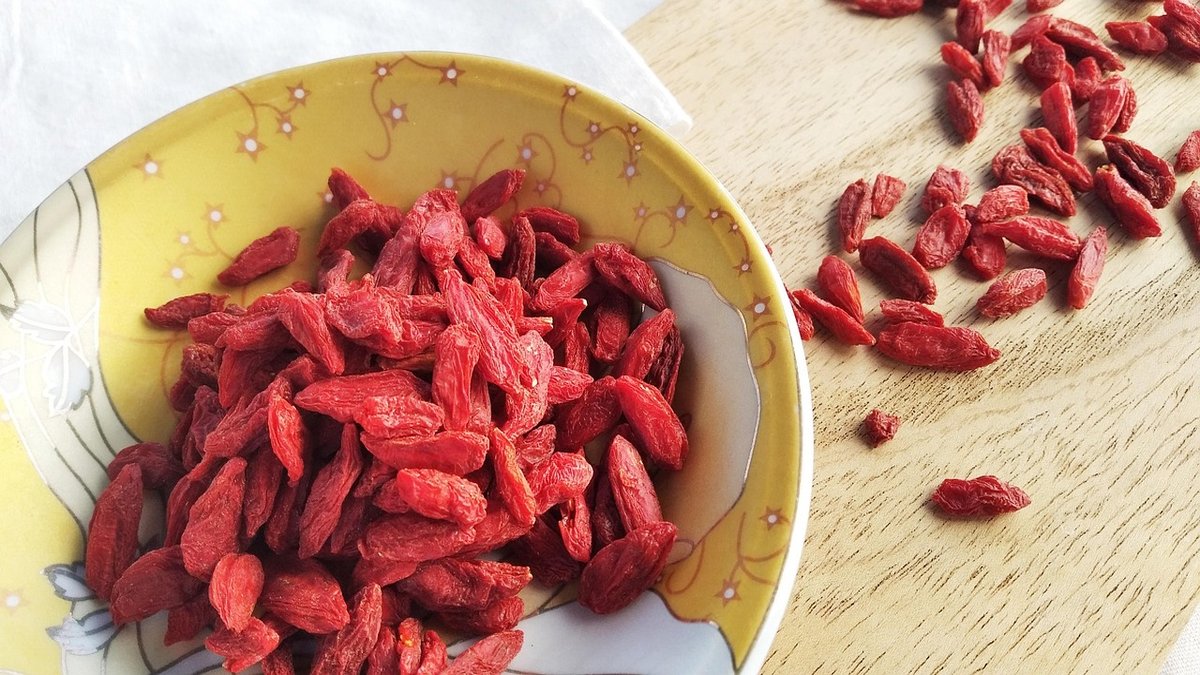
Foods recommended for this stage are often rich in protein, vitamins, and minerals. Goji berries (枸杞), papaya (木瓜), fish (鱼肉), and red date soup (红枣汤) are specifically mentioned as beneficial for supplementing the body. Goji berries are known in TCM for nourishing the liver and kidneys and improving vision, while papaya is often associated with milk production. Fish provides high-quality protein and healthy fats, crucial for both the mother's recovery and the baby's development through breast milk.
Stage Four: Gentle Warming and Full Replenishment (Fifth and Sixth Weeks)
The fifth and sixth weeks mark the final stage of the 42-day postpartum recovery, primarily focusing on "nurturing" and "warming." After the preceding stages of expelling, regulating, and supplementing, this period is dedicated to thoroughly nourishing the mother's body and solidifying her recovery. The diet becomes more diverse, incorporating a wider range of warming and tonifying foods, along with plenty of fresh produce.
During this stage, mothers can enjoy a broader selection of fresh vegetables and fruits, providing essential vitamins, minerals, and fiber. The emphasis remains on gentle warming and replenishment, ensuring that the body is fully restored and prepared for the demands of motherhood. While the specific examples of foods are not detailed for this stage in the provided research, the overarching principle is to continue with a balanced, nutritious diet that supports long-term health and energy. By the sixth week, the need for specialized "confinement" meals gradually diminishes, and mothers can slowly return to a more regular diet.
What Traditional Herbs and Foods Support Postpartum Recovery?
Traditional Chinese Medicine (TCM) utilizes a rich array of herbs and foods to support postpartum recovery, each chosen for its specific properties to address the various needs of a new mother's body. These ingredients are carefully integrated into the diet across the 42-day recovery period, aiding in cleansing, repairing, and replenishing the body's vital resources. From common kitchen staples to specialized medicinal herbs, the selection is geared towards promoting healing, invigorating blood, boosting qi, and enhancing lactation.
The efficacy of these traditional ingredients is rooted in centuries of practice and observation, with specific recommendations varying by the stage of recovery and the mother's individual constitution. The HealthPlus guide to beneficial postpartum ingredients highlights several key items, noting their specific contributions to maternal well-being HealthPlus guide to beneficial postpartum ingredients. Similarly, Dealmoon's guide emphasizes the importance of ingredients like ginger and black sesame oil for their warming and therapeutic effects (https://www.dealmoon.com/guide/932800).
Key Warming and Cleansing Ingredients
In the initial stages of postpartum recovery, ingredients that help warm the body and facilitate cleansing are paramount.
- Red Dates (红枣) and Brown Sugar (红糖): These are frequently recommended in the first week to help expel lochia. Red dates are known in TCM for nourishing blood and qi, while brown sugar is believed to warm the body and promote blood circulation. They are often consumed in teas or light soups.
- Ginger (生姜) and Black Sesame Oil (黑麻油): These form a powerful duo in postpartum cuisine. Ginger, particularly aged ginger with its skin (带皮老姜), is considered warming and helps to expel cold and invigorate qi. The ginger skin, being cooler, balances the warming properties of the inner ginger, making it beneficial for reducing water retention. Black sesame oil is believed to be cooling, thus balancing ginger's warmth, achieving a "warm but not dry" effect. It is also rich in iron, aiding in blood replenishment, and contains prolactin-boosting compounds, making it indispensable for milk production. User @YokyChou and @Baller苗苗 specifically highlighted the benefits of adding appropriate amounts of ginger and black sesame oil to food, noting that ginger warms the body and invigorates qi from the inside out, alleviating cold hands and feet, while black sesame oil helps contract the uterus, expel lochia, and is rich in prolactin, making it essential during lactation (https://www.dealmoon.com/guide/932800).
- Fish Soup: Often prepared with ginger fried in sesame oil before adding fish and water, fish soup is considered a "secret" for good milk supply. The fish should be tender and cooked until the broth turns white. For mothers who had a C-section, perch soup (鲈鱼汤) with ginger slices is particularly recommended. Perch is known as "the surgical fish" due to its rich protein and collagen, which are highly beneficial for wound healing and tissue repair.
Herbs for Specific Postpartum Needs
Beyond basic dietary components, specific herbs are incorporated to address various aspects of postpartum healing:
- Eucommia Bark (杜仲 - Dùzhòng): This herb is highly valued for its ability to soothe sore back and knees, providing strength to new mothers as they care for their babies. It is often used in soups or stews.
- Mulberries (桑寄生 - Sāngjìshēng): Known for alleviating joint soreness, mulberries contribute to overall comfort and mobility during recovery.
- Poria Cocos (茯苓 - Fúlíng): This mushroom is used to improve metabolism and reduce water retention and swelling, a common issue postpartum.
- Black Sesame (黑芝麻): Beyond its oil, black sesame seeds themselves are consumed to promote breast milk secretion, making them a staple for breastfeeding mothers. They are also rich in calcium and iron, essential for both mother and baby.
- Goji Berries (杞子 - Qǐzi): Used to improve blurry vision caused by qi and blood deficiency, goji berries nourish the liver and kidneys, which are crucial for eye health in TCM.
- Dried Tangerine Peel (陈皮 - Chénpí): This ingredient helps to improve appetite and digestion, which can be sluggish after childbirth.
- Lily Bulbs (百合 - Bǎihé): Known for their calming properties, lily bulbs help to improve sleep quality, which is often disrupted for new mothers.
- Southern Dates (南枣 - Nánzǎo): These dates are used to alleviate spontaneous sweating and night sweats, common symptoms of qi and yin deficiency postpartum.
- Sea Cucumber (海参 - Hǎishēn): This ingredient is traditionally used to improve frequent urination, a common postpartum concern.
- Chinese Yam (淮山 - Huáishān): Known for promoting wound healing, Chinese yam is beneficial for mothers recovering from tears or C-section incisions.
These herbs and foods are often combined in traditional recipes like "Sheng Hua Tang" (生化汤), a famous postpartum formula. Sheng Hua Tang is renowned for its ability to nourish blood, dispel stagnation, warm the meridians, and relieve pain. It is particularly effective for postpartum lochia retention, poor uterine involution, uterine contraction pain, cold abdominal pain, and retained placental fragments. Its key ingredients typically include dong quai (当归), ligusticum chuanxiong (川芎), peach kernel (桃仁), baked ginger (黑姜), and licorice (炙甘草), often brewed with yellow wine to enhance its effects. Dong quai, as the principal herb, invigorates and nourishes blood, dispels stasis, generates new blood, and alleviates pain. Ligusticum chuanxiong and peach kernel further activate blood and dispel stasis, while baked ginger warms the meridians and relieves pain. Licorice harmonizes the herbs and moderates their actions (http://www.aidigong.com/baike/zuoyuezi/scyzsp.html).
For those in areas where specific Chinese herbs might be harder to find, user @小马在家 recommended that mothers in the U.S. can purchase ingredients like Chinese yam slices (淮山片), astragalus root slices (北芪片), dong quai head (当归头), eucommia bark (杜仲), codonopsis root (党参), and goji berries (枸杞) from stores like De Cheng Hang. Pre-packaged Sheng Hua Tang or Si Shen Tang (四神汤) mixes are also available for convenience (https://www.dealmoon.com/guide/932800).
What are the Common Misconceptions About Postpartum Care?
Traditional Chinese Medicine (TCM) postpartum care, while deeply rooted in ancient practices, has accumulated several misconceptions over centuries, particularly regarding hygiene and activity. Many of these traditional prohibitions stemmed from the environmental and medical limitations of the past. However, with modern advancements in sanitation, heating, and medical understanding, many of these strict rules are now considered outdated or even detrimental to a new mother's recovery. Scientific postpartum care encourages a more balanced and practical approach, debunking myths that can lead to discomfort or unnecessary restrictions for mothers.
The Dealmoon guide to scientific postpartum meals explicitly addresses and refutes several common myths about "sitting the month," highlighting that adhering strictly to some traditional habits may not be correct (https://www.dealmoon.com/guide/932800). It's crucial for new mothers to distinguish between beneficial traditional practices and those that are no longer relevant or safe.
Misconception 1: No Bathing or Hair Washing
One of the most widespread and often distressing postpartum myths is the prohibition against bathing and washing hair for the entire 42-day period. This belief originated from times when clean, warm water was scarce, and indoor heating was non-existent, making mothers susceptible to catching a cold after washing.
However, modern medical advice and scientific postpartum care strongly contradict this. User @YokyChou and @Poopweslie stated, "Doctors say, 'Go ahead and wash! Just remember to dry your hair and avoid cold drafts.'" (translated from Chinese). They further elaborate that in ancient times, bathing and using the toilet were outdoors, and cold, unfiltered water was used, making it easy for mothers to catch a cold. Today, with hair dryers, constant temperature and warm air equipment, and clean warm water, there is no need to endure the discomfort of sweat and an itchy scalp (https://www.dealmoon.com/guide/932800). Maintaining personal hygiene is vital for preventing infections, especially with lochia and sweating. Short showers, not exceeding 10 minutes, are generally permitted after about five weeks postpartum to prevent infection and prevent the perineal stitches from opening, as long as care is taken not to use cold water for housework or bend over excessively while washing hair (https://cspm.cma.org.cn/index/news?id=3304).
Misconception 2: No Drinking Water
Another common misconception is that new mothers should not drink plain water, often replaced with specific herbal teas or rice wine. The belief was that water could cause "water retention" or "coldness" in the body.
This is also strongly refuted by modern understanding. User @YokyChou and @Poopweslie emphasized, "Water is fundamental for the normal functioning of the human body. Not drinking water can lead to constipation and difficulty with metabolism, and even dehydration, with unthinkable consequences." (translated from Chinese). They clarify that many mothers with postpartum edema need to pay attention to their salt intake; less oil, less salt, and avoiding heavy salt can help with metabolism and reduce swelling, rather than restricting water (https://www.dealmoon.com/guide/932800). Adequate hydration is crucial for overall bodily function, milk production, and preventing common postpartum issues like constipation and dehydration. Warm water or red date tea can be good alternatives to cold water, but plain water should not be avoided.
Misconception 3: Strict Bed Rest
Traditionally, new mothers were often advised to remain strictly in bed for the entire postpartum period, avoiding any movement or physical activity. This was believed to aid healing and prevent future health problems.
While rest is undeniably important, strict bed rest is now known to have negative consequences, such as an increased risk of blood clots and muscle atrophy. Scientific postpartum care, even in TCM, encourages gentle movement. For vaginal births, mothers are advised to start walking slowly within 24 hours of returning to their room to facilitate uterine contractions. C-section mothers can start a bit later but should turn over frequently in bed. By the second week, mothers are encouraged to do simple postpartum exercises to relax muscles and aid lochia expulsion. "Western doctors do not recommend continuous lying down," noted @YokyChou and @Poopweslie, adding that hospitals advise mothers to move around at home after discharge (https://www.dealmoon.com/guide/932800). The key is gradual and appropriate activity, not strenuous work or prolonged holding of the baby, especially in the early weeks. Over-exertion can lead to increased lochia. For more details, see Dealmoon guide to scientific postpartum meals.
Misconception 4: Immediate Heavy Supplementation
Some traditional beliefs advocate for heavy, rich, and warming supplements immediately after childbirth. This is believed to restore the mother's strength quickly.
However, scientific postpartum care advises against this, especially in the first week. The body first needs to cleanse and heal. Administering rich, heavy tonics too early can lead to issues like breast engorgement (due to premature milk production) or digestive problems. For example, the "Aidigong" postpartum meal guide warns against drinking overly strong tonics in the first three days postpartum to avoid premature lactation and breast engorgement (http://www.aidigong.com/baike/zuoyuezi/scyzsp.html). Hot-natured ingredients like red dates, longan, ham, and old hen should only be introduced after lochia has completely cleared to avoid prolonging its discharge. The focus in the first week should be on light, easy-to-digest foods that facilitate the expulsion of lochia and excess fluids.
Misconception 5: Not Brushing Teeth
Another old belief was to avoid brushing teeth during postpartum recovery, fearing it might lead to "loose teeth" or other dental issues.
This is unequivocally false and harmful to oral hygiene. User @YokyChou and @Poopweslie directly refuted this, stating, "Follow doctor's orders, you can brush your teeth starting from the second day after surgery" (translated from Chinese) (https://www.dealmoon.com/guide/932800). Maintaining good oral hygiene is essential to prevent gum disease and cavities, especially with frequent meals and potential hormonal changes.
By debunking these common misconceptions, modern TCM postpartum care promotes a safer, more comfortable, and ultimately more effective recovery experience for new mothers.
How Does TCM Address Menopausal Symptoms?
Menopause is a natural and inevitable stage in every woman's life, typically occurring between the ages of 45 and 55. This period marks the gradual decline of ovarian function, leading to a decrease in estrogen production and the eventual cessation of menstruation. While it is a natural physiological process, approximately 50% to 80% of women experience a range of uncomfortable symptoms, such as hot flashes, night sweats, insomnia, and emotional instability, which can significantly impact their quality of life (https://www.cch.org.tw/edm_3.aspx?Id=775). In Traditional Chinese Medicine (TCM), menopause is not viewed as a disease but as a natural transition where the body's kidney qi gradually declines, leading to an imbalance of yin and yang. TCM offers a holistic approach to managing these symptoms, aiming to restore balance and alleviate discomfort through dietary adjustments, herbal remedies, acupuncture, and lifestyle modifications.
The classical text "Huangdi Neijing" (Yellow Emperor's Inner Canon) discusses female physiological changes, noting that "at seven times seven [49 years old], the Ren channel is deficient, the Chong channel declines, and the Heavenly Gui (menstrual blood) is exhausted." This ancient wisdom accurately describes the physiological shifts around age 49, referring to the associated clinical manifestations as "disorders before and after menopause" (绝经前后诸症). TCM records detailing menopausal symptoms can be found in texts discussing "Zang Zao" (visceral agitation) and "Bai He Bing" (lily disease), which describe various clinical presentations and offer corresponding treatment recommendations (https://www.cch.org.tw/edm_3.aspx?Id=775). TCM provides solutions to help women navigate this period gracefully and vibrantly.
Understanding Menopause in TCM
In TCM, the kidney organ system is considered the foundation of yin and yang in the body, closely linked to growth, reproduction, and aging. During menopause, the kidney qi (vital energy) and kidney yin (cooling, nourishing essence) naturally decline. This decline can lead to an imbalance where kidney yin deficiency is prominent, causing a relative excess of yang (heat). This "yin deficiency with exuberant fire" (阴虚火旺) is a common pattern underlying many menopausal symptoms.
- Hot Flashes and Night Sweats: These are the most common symptoms and are often attributed to yin deficiency leading to internal heat flushing upwards.
- Emotional Fluctuations: Anxiety, irritability, and depression are often linked to imbalances in the Heart and Liver organ systems, which are affected by kidney yin deficiency and stagnant qi.
- Insomnia and Sleep Disturbances: These issues typically arise from a restless spirit (shen) due to heart yin deficiency or internal heat disturbing the mind.
- Irregular Menstruation: Before cessation, menstrual cycles can become erratic, which TCM attributes to declining kidney and liver function, and disharmony of qi and blood.
TCM aims to address these underlying imbalances rather than just suppressing symptoms. The treatment principles often involve nourishing kidney yin, subduing exuberant yang, regulating qi, and calming the spirit.
TCM Strategies for Menopausal Relief
TCM employs a multifaceted approach to help women navigate menopause:
- Dietary Therapy: Specific foods are recommended to nourish yin, clear heat, and balance emotions. This is a primary and accessible method for daily management.
- Herbal Medicine: Customized herbal formulas are prescribed based on an individual's specific TCM diagnosis (pattern differentiation). These formulas work synergistically to restore balance. For instance, formulas like Dang Gui Shao Yao San (当归芍药散) and Si Wu Tang (四物汤) are used to nourish liver and kidney, and harmonize qi and blood, particularly for menstrual irregularities (https://i.ifeng.com/c/8ahPiuL2nWI).
- Acupuncture and Acupressure: Specific acupuncture points are stimulated to regulate qi flow, balance yin and yang, and alleviate symptoms like hot flashes, insomnia, and anxiety. Daily massage of specific acupoints like Taixi (太溪穴) and Yongquan (涌泉穴) can help guide fire downwards and relieve hot flashes (https://i.ifeng.com/c/8ahPiuL2nWI).
- Lifestyle Modifications: Recommendations include stress management techniques, regular moderate exercise, and adequate rest to support overall well-being. Practicing meditation and breathing exercises can help regulate emotions, alongside maintaining an optimistic outlook and sharing feelings with family and friends (https://i.ifeng.com/c/8ahPiuL2nWI).
By integrating these strategies, TCM seeks to provide comprehensive support, helping women not only to alleviate menopausal discomfort but also to embrace this new chapter of life with vitality and balance. The approach is highly personalized, recognizing that each woman's experience of menopause is unique and requires a tailored treatment plan.
What Dietary Recommendations Does TCM Offer for Menopause?
Traditional Chinese Medicine (TCM) places significant emphasis on dietary therapy as a cornerstone for managing menopausal symptoms. Recognizing that menopause is a period of physiological transition marked by declining kidney qi and potential yin-yang imbalance, TCM dietetics aims to nourish the body, balance internal temperature, soothe emotions, and improve sleep quality through specific food choices. The recommendations are tailored to address common symptoms like hot flashes, night sweats, emotional fluctuations, and insomnia, which are often manifestations of underlying energetic disharmonies.
For menopausal women, the goal of TCM dietary therapy is not just to provide nutrients but to restore the body's natural equilibrium. This often involves consuming foods that nourish yin, clear heat, regulate qi, and calm the spirit. The approach is holistic, considering both the energetic properties of food and their nutritional content to support overall well-being during this important life stage.
Managing Hot Flashes and Night Sweats
Hot flashes and night sweats are among the most common and disruptive menopausal symptoms, often attributed in TCM to "yin deficiency with exuberant fire" (阴虚火旺). To counteract this internal heat, TCM recommends foods that nourish yin and cool the body:
- Yin-Nourishing and Heat-Clearing Foods: Incorporate foods like mung beans (绿豆), tofu (豆腐), celery (芹菜), and spinach (菠菜). These foods are believed to help reduce internal heat and replenish the body's cooling yin essence. Mung beans, for example, are known for their strong cooling and detoxifying properties.
- Herbal Teas: Drinking teas made from specific herbs can further support yin nourishment and heat-clearing. Goji berries (枸杞), chrysanthemum (菊花), and Ophiopogon japonicus (麦冬) are often recommended. Goji berries nourish the liver and kidneys, chrysanthemum clears heat from the head and eyes, and Ophiopogon japonicus moistens the lungs and nourishes yin, collectively helping to alleviate hot flashes and night sweats. Consistent consumption of these teas is believed to have significant effects (https://i.ifeng.com/c/8ahPiuL2nWI).
Soothing Emotions and Alleviating Anxiety
Emotional fluctuations, anxiety, and irritability are common during menopause, often linked in TCM to imbalances in the Heart and Liver organ systems. To stabilize emotions and calm the mind, foods with calming and nourishing properties are suggested:
- Heart-Nourishing and Spirit-Calming Foods: Foods like lotus seeds (莲子), lily bulbs (百合), and red dates (红枣) are highly recommended. Lotus seeds and lily bulbs are known for their ability to nourish the Heart and calm the spirit (Shen), helping to reduce anxiety and promote mental tranquility. Red dates, in addition to nourishing blood, also have a calming effect. These foods can be incorporated into soups, porridges, or desserts.
- Aromatherapy: While not a food, aromatherapy with essential oils like lavender (薰衣草) and orange blossom (橙花) can complement dietary efforts by helping to soothe tension and improve sleep quality (https://i.ifeng.com/c/8ahPiuL2nWI).
Improving Sleep Quality and Addressing Insomnia
Insomnia and restless sleep are prevalent complaints among menopausal women, often attributed to a disturbed spirit (shen) due to heart yin deficiency or internal heat. TCM offers several dietary and lifestyle tips to promote restful sleep:
- Relaxing Evening Rituals: A warm foot bath for 15-20 minutes before bed is highly recommended. Adding traditional herbs like mugwort (艾叶) or safflower (红花) to the foot bath can enhance blood circulation and relaxation, aiding sleep. Massaging acupoints like Shenmen (神门穴) and Neiguan (内关穴) before sleep can also help calm the heart and mind (https://i.ifeng.com/c/8ahPiuL2nWI).
- Light Evening Meals: Dinner should be light and easy to digest, avoiding overeating.
- Sleep-Promoting Beverages: Consuming warm milk or Ziziphus jujuba seed tea (酸枣仁茶) before bed can have a calming and sleep-inducing effect. Ziziphus jujuba seeds are a well-known herb in TCM for calming the spirit and aiding sleep.
Regulating Irregular Menstruation
While menstruation eventually ceases during menopause, irregular periods are a common symptom in the perimenopausal phase. TCM attributes these irregularities to declining liver and kidney function and disharmony of qi and blood.
- Liver and Kidney-Nourishing Herbs: While specific foods are not detailed for this, traditional herbal formulas like Dang Gui Shao Yao San (当归芍药散) and Si Wu Tang (四物汤) are used. These formulas are known for nourishing the liver and kidneys and harmonizing qi and blood, helping to regulate the menstrual cycle during this transitional phase (https://i.ifeng.com/c/8ahPiuL2nWI).
By carefully selecting and preparing foods according to these TCM principles, menopausal women can find natural and effective ways to manage their symptoms and support their bodies through this significant life transition.
Are There Specific Foods to Avoid During Menopause in TCM?
In Traditional Chinese Medicine (TCM), dietary recommendations for menopause not only include what to eat but also what to avoid or limit. Certain foods and substances are believed to exacerbate common menopausal symptoms by contributing to internal heat, qi stagnation, or nutrient depletion. The goal of avoiding these items is to prevent further imbalance in the body, particularly concerning yin deficiency and the associated "exuberant fire" that often manifests as hot flashes and night sweats. By carefully managing dietary intake, menopausal women can support their body's natural equilibrium and reduce the intensity of discomfort.
The principle behind these dietary restrictions is to eliminate factors that can add to the body's heat, disrupt the delicate balance of yin and yang, or interfere with nutrient absorption. This mindful approach to eating is an integral part of TCM's holistic strategy for menopausal well-being.
Foods That Can Worsen Hot Flashes and Internal Heat
For women experiencing hot flashes and night sweats, which TCM attributes to yin deficiency with internal heat, certain foods can act as stimulants, intensifying these symptoms:
- Spicy Foods: Chili peppers (辣椒) and other hot spices are considered "hot" in nature in TCM. Consuming them can further ignite internal fire, leading to more frequent and severe hot flashes and night sweats. Therefore, it is advisable to significantly reduce or eliminate spicy dishes from the diet.
- Alcohol: Alcoholic beverages (酒精) are also considered warming and can generate internal heat. They can trigger or worsen hot flashes and disrupt sleep, making symptoms like night sweats and insomnia more pronounced. Limiting or avoiding alcohol is often recommended for better symptom management.
- Excessive Caffeine: While not explicitly mentioned in all sources, stimulants like strong coffee (咖啡) and concentrated tea (浓茶) can also contribute to internal heat and nervous system overstimulation, which may exacerbate hot flashes and disrupt sleep. The Baidu guide for menopausal women suggests reducing the intake of strong tea and coffee during periods of hot flashes and sweating (https://m.baidu.com/bh/m/detail/ar_6497805351260396764?frsrcid=rec).
- Red Meat (in excess): While not strictly forbidden, excessive consumption of red meat, especially those prepared with rich, heavy sauces, can sometimes contribute to internal heat and dampness according to TCM principles, which could be counterproductive for yin-deficient individuals.
Foods That May Interfere with Nutrient Absorption or Cause Bloating
Beyond heat-generating foods, other categories of food may be restricted due to their potential to hinder nutrient absorption or cause digestive discomfort, which can be particularly sensitive during menopause:
- Pickled and Heavily Salted Foods: Pickled vegetables (腌制食品) and other heavily salted items are often discouraged. High salt intake can not only contribute to water retention but also potentially interfere with calcium absorption, which is a significant concern for menopausal women prone to bone density loss.
- Sugary and Highly Processed Foods: While not directly linked to specific menopausal symptoms in the provided research, generally, TCM emphasizes whole, unprocessed foods. High sugar intake and highly processed foods can contribute to inflammation, energy crashes, and overall imbalance, which can indirectly worsen menopausal discomfort.
- Fermented and Gas-Producing Foods (for some individuals): Although some fermented foods are beneficial, certain types or excessive amounts of gas-producing foods (like some beans or certain starches) might be cautiously consumed by individuals prone to bloating or digestive issues, especially if they are already experiencing discomfort. However, this is more of an individualized recommendation than a general prohibition for all menopausal women. The general advice for C-section mothers postpartum is to avoid fermented foods or those that easily produce gas (like certain high-sugar items, soy milk, and starches) in the immediate recovery period to prevent abdominal distension (http://www.aidigong.com/baike/zuoyuezi/scyzsp.html). While this is a postpartum recommendation, the principle of avoiding foods that cause discomfort can extend to menopause if similar issues arise.
By being mindful of these dietary considerations, menopausal women can actively participate in their own well-being, using TCM principles to create a diet that supports balance, reduces symptoms, and promotes a smoother transition through this phase of life. The emphasis is always on listening to one's body and making adjustments based on individual responses and specific symptoms.
Frequently Asked Questions
Can I shower and wash my hair during postpartum recovery according to TCM?
Contrary to outdated traditional beliefs, scientific postpartum care in TCM allows for showering and hair washing. User @YokyChou and @Poopweslie stated, "Doctors say, 'Go ahead and wash! Just remember to dry your hair and avoid cold drafts.'" (translated from Chinese). Modern facilities with warm water and hair dryers eliminate the risks of exposure to cold that were present in ancient times, making hygiene possible and beneficial for preventing infections and discomfort. However, showers should be short, ideally not exceeding 10 minutes, especially in the first few weeks, to avoid infection and protect healing perineal stitches (https://cspm.cma.org.cn/index/news?id=3304).
What is 'Sheng Hua Tang' and what is it used for?
'Sheng Hua Tang' (生化汤) is a famous traditional Chinese herbal formula used postpartum. It functions to nourish blood, dispel blood stasis, warm the meridians, and relieve pain. It is particularly effective for postpartum conditions such as retained lochia, poor uterine recovery, uterine contraction pain, cold abdominal pain, and retained placental fragments. The formula typically contains herbs like dong quai, ligusticum chuanxiong, peach kernel, baked ginger, and licorice, often brewed with yellow wine to enhance its medicinal effects (http://www.aidigong.com/baike/zuoyuezi/scyzsp.html).
How long does postpartum recovery typically last?
The postpartum recovery period, traditionally known as "sitting the month" (坐月子), typically lasts for 42 days. This six-week period is considered crucial for the mother's body to heal, expel lochia, replenish qi and blood, and establish sufficient breast milk production. The Chinese Medical Association's Perinatal Medicine Branch provides a detailed 42-day schedule for this recovery, emphasizing a structured approach to diet and care (https://cspm.cma.org.cn/index/news?id=3304).
Which foods are good for promoting breast milk production?
Several foods are traditionally recommended in TCM to promote breast milk production. Black sesame, often consumed as black sesame oil or seeds, is highly valued for its ability to promote lactation, in addition to being rich in iron for blood replenishment. Fish soup, especially prepared with ginger and sesame oil, is considered a "secret" for a good milk supply. Other beneficial ingredients include papaya and goji berries, which are incorporated into the diet during the later stages of postpartum recovery to nourish the body and support lactation HealthPlus guide to beneficial postpartum ingredients.
What are common menopausal symptoms addressed by TCM?
TCM addresses a wide range of menopausal symptoms, which are often grouped under "disorders before and after menopause" (绝经前后诸症). The most common symptoms include hot flashes, night sweats, emotional fluctuations (such as anxiety and irritability), and insomnia. TCM attributes these to a decline in kidney qi and a resulting imbalance of yin and yang. Approximately 50% to 80% of women experience such symptoms, and TCM aims to alleviate them by nourishing yin, clearing heat, regulating qi, and calming the spirit (https://www.cch.org.tw/edm_3.aspx?Id=775).
Sources
- https://cspm.cma.org.cn/index/news?id=3304
- https://www.dealmoon.com/guide/932800
- http://www.aidigong.com/baike/zuoyuezi/scyzsp.html
- https://healthplus.com.hk/hk/%E5%81%A5%E6%80%A1%E5%9D%8A%E8%B3%87%E8%A8%8A/confinement_menu/
- https://i.ifeng.com/c/8ahPiuL2nWI
- https://www.cch.org.tw/edm_3.aspx?Id=775
- https://m.baidu.com/bh/m/detail/ar_6497805351260396764?frsrcid=rec
Related Reading
- TCM Foods for Menopause Tradition
- TCM Food Tradition After Surgery Recovery
- TCM Foods for Elderly Tradition
- Common TCM Food Mistakes for Each Life Stage
- TCM Food Tradition for Student Exam Period
— The Yao Shan Guide Team