What Warming Foods Mean in TCM Tradition
- Traditional Chinese Medicine (TCM) classifies foods by "four natures": cold (寒), cool (凉), warm (温), and hot (热), in addition to neutral (平) foods, which are broadly adaptable and can be consumed by any body type Beijing University of Chinese Medicine on Food Natures.
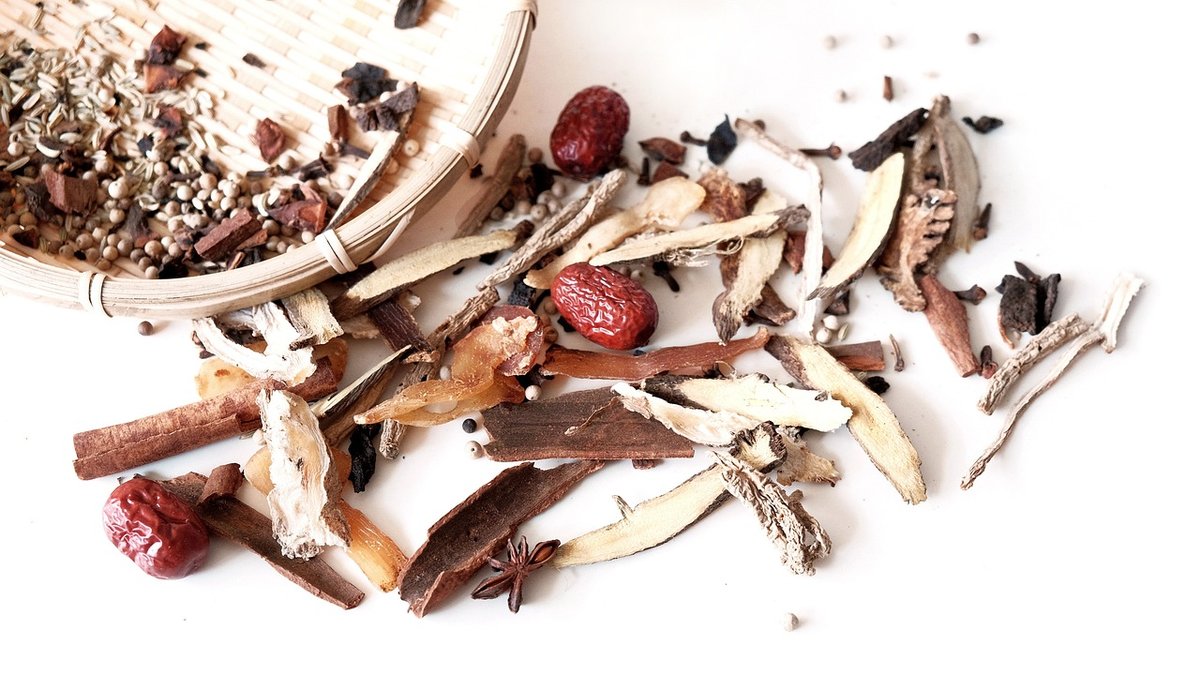
Last updated: April 2026
Disclaimer: This article is for informational purposes only and does not constitute medical advice. Consult a qualified healthcare provider before starting any treatment.
Affiliate Disclosure: We may earn a commission when you purchase through our links. This does not affect our editorial independence.
Quick Answer
- Traditional Chinese Medicine (TCM) classifies foods by "four natures": cold (寒), cool (凉), warm (温), and hot (热), in addition to neutral (平) foods, which are broadly adaptable and can be consumed by any body type Beijing University of Chinese Medicine on Food Natures.
- Warm and hot foods are suitable for individuals with cold body types and conditions, helping to dispel internal cold and invigorate body functions.
- Green vegetables are often considered cold, while red fruits tend to be warming, and foods grown in winter are generally classified as cold due to the environment's heavy cold energy Baidu Baike on Cold Foods.
- The "five flavors" (sour, bitter, sweet, pungent, salty) correspond to the five major organ systems (liver, heart, spleen, lung, kidney) in TCM, with pungent foods often having warming properties and being linked to the lungs and the metal element China Cuisine Association on Five Colors and Flavors.
In Traditional Chinese Medicine (TCM), the concept of warming foods is fundamental to dietary therapy and maintaining overall health. Foods are not merely sources of nutrients; they possess inherent "natures" or "energies" that interact with the body's internal balance. These natures are categorized into cold, cool, warm, hot, and neutral. Warming and hot foods are specifically recommended for individuals with a cold body constitution or those experiencing cold-related conditions. This approach helps to counteract internal cold, stimulate circulation, and support essential metabolic processes. The classification of foods extends beyond their immediate temperature, delving into their effects on the body's qi (vital energy) and blood. Understanding these properties, which can be discerned through factors like color, taste, and even growing environment, empowers individuals to make informed dietary choices that align with their specific body type and seasonal needs, promoting disease prevention and sustained well-being.
What are the 'Four Natures' of Food in TCM?
Traditional Chinese Medicine (TCM) classifies foods and herbs into four primary natures: cold (寒), cool (凉), warm (温), and hot (热). These classifications describe the energetic effects a food has on the body, rather than its literal temperature. Beyond these four natures, there are also neutral (平) foods, which are considered balanced and suitable for a wide range of body types without significantly altering the body's energetic state. This system is a cornerstone of TCM dietary therapy, guiding individuals to select foods that harmonize with their unique body constitution and prevailing health conditions.
Understanding the Spectrum of Food Natures
The Beijing University of Chinese Medicine Museum explains that "In our daily lives, the foods we eat, just like Chinese medicinal herbs, possess different natures such as cold, hot, warm, cool, and neutral. Cool or cold foods are suitable for hot body types and conditions, while warm or hot foods are appropriate for cold body types and conditions. Neutral foods are broadly adaptable and can be consumed by any body type. Therefore, understanding and mastering the nature of foods, and choosing foods compatible with one's body type, contributes to disease prevention and overall health" Beijing University of Chinese Medicine on Food Natures. This quote highlights the core principle: matching food nature to body type is crucial for health.
The spectrum of food natures can be visualized as a continuum. At one end are cold foods, which tend to clear heat, reduce inflammation, and calm the body. Examples often include many green vegetables, some fruits, and certain grains. Moving towards the center, cool foods offer a milder cooling effect. Neutral foods sit in the middle, providing nourishment without strong energetic tendencies. On the other side, warm foods gently invigorate and warm the body, while hot foods provide a more intense warming, stimulating circulation and dispelling deep cold.
The Role of Neutral Foods
Neutral foods are valuable because they can be consumed by almost anyone, regardless of their body constitution. They do not significantly add heat or cold to the body, making them excellent staples for a balanced diet. Examples of neutral foods often include certain grains, vegetables, and meats. Their versatility makes them a safe choice for daily consumption and can be easily combined with foods of other natures to create a balanced meal. The broad adaptability of neutral foods means they are frequently recommended for maintaining general health and preventing imbalances.
Implications for Health and Disease Prevention
The TCM understanding of food natures provides a powerful tool for personalized nutrition. By identifying one's dominant body constitution (e.g., cold, hot, damp, dry), individuals can consciously choose foods that support balance. For instance, someone with a cold constitution might experience symptoms like fatigue, cold limbs, and slow digestion. Incorporating more warm and hot foods into their diet could help alleviate these symptoms by warming the internal organs and boosting qi circulation. Conversely, a person with a hot constitution might suffer from symptoms like excessive sweating, thirst, and inflammation. For them, cool and cold foods would be more beneficial in clearing excess heat. This personalized approach to diet is central to TCM's preventative healthcare philosophy, aiming to address potential imbalances before they manifest as serious illnesses.
Why are Warming Foods Important in TCM Nutrition?
Warming (温性) and hot (热性) foods hold significant importance in Traditional Chinese Medicine (TCM) nutrition primarily because they are used to address cold body types and conditions. These foods help to dispel internal cold, invigorate circulation, and support metabolic functions, which are crucial for maintaining optimal health according to TCM principles. A body experiencing cold can manifest in various ways, from feeling chilly to suffering from sluggish digestion or chronic pain. Warming foods provide the necessary energetic support to counteract these symptoms and restore balance.
Dispelling Cold and Invigorating Yang Energy
In TCM, cold is considered a pathogenic factor that can impair the body's functions. It can slow down circulation, weaken digestive fire, and lead to stagnation. Warming foods are essential because they introduce "yang" energy into the body, which is associated with warmth, activity, and transformation. By consuming warming foods, individuals can help to "fan the flames" of their internal digestive fire (spleen yang), improve blood and qi circulation, and alleviate symptoms associated with cold such such as cold hands and feet, fatigue, and abdominal discomfort. This is particularly relevant in colder climates or during winter months when the body naturally requires more warmth.
Supporting Metabolic and Digestive Functions
The spleen and stomach are central to digestion and nutrient absorption in TCM. Both organs prefer warmth to function optimally. When the digestive system is exposed to too much cold, either from cold foods or external environmental factors, its ability to transform food into qi and blood can be compromised. This can lead to symptoms like bloating, loose stools, and poor appetite. Warming foods, on the other hand, support the spleen and stomach's "cooking" function, enhancing digestion and ensuring efficient nutrient assimilation. This is why many warming spices are often incorporated into TCM-inspired dishes.
The Beijing University of Chinese Medicine Museum emphasizes that "Of course, it doesn't mean that people with a cold body type cannot eat cold or cool foods, or that people with a hot body type cannot eat warm or hot foods. Knowing the cold and hot properties of foods, we can adjust and change the nature of food through appropriate food pairings, choosing suitable seasonings, and cooking methods" Beijing University of Chinese Medicine on Food Natures. This flexibility is key, demonstrating that while primary recommendations exist, intelligent food preparation can broaden dietary options. Even those with a cold body type can consume cool or cold foods by adjusting preparation methods, such as cooking them with warming spices or combining them with inherently warming ingredients. This nuanced approach allows for a diverse diet while still maintaining energetic balance.
Addressing Specific Cold Conditions
Warming foods are particularly important for specific cold conditions. For instance, women who experience menstrual cramps often benefit from warming foods and drinks to improve blood circulation and alleviate pain caused by cold stagnation in the uterus. Individuals suffering from arthritis that worsens in cold weather may also find relief by incorporating more warming foods into their diet. Similarly, people prone to catching colds in winter are often advised to consume warming foods to strengthen their defensive qi and protect against external cold pathogens.
The importance of warming foods extends beyond just feeling physically warm; it is about maintaining the body's internal energetic equilibrium, supporting vital organ functions, and promoting overall resilience against illness. By understanding and applying the principles of warming foods, individuals can proactively manage their health and cultivate a sense of well-being rooted in TCM wisdom.
How Do We Identify Warming Foods?
Identifying warming foods in Traditional Chinese Medicine (TCM) involves observing several characteristics beyond just their immediate temperature. Food properties can be identified by their color, taste, and the environment in which they grow. These factors provide clues about a food's energetic effect on the body, helping individuals make informed dietary choices to balance their internal constitution. This holistic approach ensures that dietary recommendations are tailored to the individual's needs and the surrounding environment.
Clues from Color and Taste
The color of a food often provides an initial indication of its energetic nature. Generally, red fruits, for example, often tend to be warming, while green vegetables are frequently cold. This is part of the "Five Colors" theory in TCM, where colors are linked to the Five Elements and specific organ systems. For instance, red foods are associated with the fire element and the heart, often having warming or invigorating properties. Conversely, green foods are linked to the wood element and the liver, often possessing cooling or detoxifying qualities. This general rule of thumb helps in quickly categorizing foods, though there are always exceptions.
Taste also plays a crucial role in identifying a food's nature. Baidu Baike on Cold Foods mentions that "From a taste perspective, sweet and pungent foods tend to be warm or hot" Baidu Baike on Cold Foods. Pungent (spicy) foods like ginger, chili, and garlic are well-known for their warming, circulating properties. Sweet foods, while often considered neutral or slightly warming, can also provide energy and nourish the spleen. Bitter and sour tastes, on the other hand, are generally associated with cooling or astringent effects. Salty foods are often linked to the kidneys and water element, with a more neutral or slightly cooling effect.
Insights from Growth Environment and Season
The environment and season in which a food grows offer significant insights into its nature. Foods grown in winter tend to be more cold due to the environment's heavy cold energy. For example, daikon radish (white radish), often harvested in winter, is considered cooling and helps to clear heat and resolve phlegm. Conversely, foods that thrive in warm, sunny conditions or are harvested in summer often possess more warming properties. This connection between the external environment and a food's internal energy is a key principle in TCM.
Similarly, aquatic plants and animals are frequently considered cold or cool because of their watery, often cold habitat. Baidu Baike notes that "From a growth environment perspective, aquatic plants and animals often have a cold nature" Baidu Baike on Cold Foods. This includes items like certain types of fish, shellfish, and water vegetables. This understanding encourages a balanced diet that considers both the intrinsic properties of food and the external conditions.
Other Factors: Processing and Preparation
Beyond inherent characteristics, how a food is processed or prepared can also influence its energetic nature. Roasting, grilling, or adding warming spices can make a naturally cool food more warming. For instance, raw ginger is considered warming, but dried ginger is even more potent in its warming effects. Conversely, eating raw vegetables or fruits, or preparing them with cooling methods like steaming or boiling without warming spices, tends to preserve or enhance their cooling properties. This adaptability allows for greater dietary flexibility, as individuals can adjust food preparation to suit their body's needs.
By considering these various factors—color, taste, growth environment, and preparation—one can develop a comprehensive understanding of a food's energetic nature within the TCM framework. This knowledge empowers individuals to select foods that not only provide physical nourishment but also contribute to their overall energetic balance and well-being.
What Specific Foods are Considered Warming in TCM?
While the provided research extensively details cold and cool foods, the principle in Traditional Chinese Medicine (TCM) is that warming foods counteract cold conditions. Therefore, by understanding what foods are classified as cold or cool, we can infer the types of foods that would be considered warming, as they have the opposite energetic effect. The research focuses more on listing cold foods, which helps to illustrate the contrast.
Examples of Cold and Cool Foods
The Beijing University of Chinese Medicine Museum provides a comprehensive list of cold and cool foods across various categories.
- Grains: Buckwheat, wheat, barley, millet, coix seed (薏米), green beans (绿豆), and their products are all listed as cool or cold Beijing University of Chinese Medicine on Food Natures. Baidu Baike also includes millet, green beans, and kelp as cold foods Baidu Baike on Cold Foods.
- Vegetables: A vast array of vegetables are classified as cool or cold. These include celery, amaranth, chrysanthemum greens, crown daisy, malan head, mung bean sprouts, soybean sprouts, spinach, rapeseed, lettuce, water spinach, purslane, water shield, fish mint, aloe vera, cactus, ginkgo nut, water convolvulus, agar-agar, fern, bottle gourd, wood ear fungus, black moss, lettuce stem, taro, winter melon, raw lotus root, raw white radish, fresh lily bulb, cucumber, bitter gourd, luffa, eggplant, water bamboo, water chestnut, bamboo shoots (winter and regular), potato, mushrooms, broccoli, water caltrop, seaweed, dried daylily, kelp, and chayote Beijing University of Chinese Medicine on Food Natures. Baidu Baike specifically mentions raw lotus root, purslane, and water chestnut as cold vegetables Baidu Baike on Cold Foods.
- Meats and Eggs: Rabbit meat, duck meat, horse meat, otter meat, river crab, clams, oysters, blackfish, octopus, river snails, razor clams, snails, and duck eggs are listed as cool or cold Beijing University of Chinese Medicine on Food Natures. Baidu Baike also lists sea powder and river clams as cold meats Baidu Baike on Cold Foods.
- Fruits: Many common fruits are categorized as cool or cold, such as watermelon, cantaloupe, banana, pear, persimmon, sugarcane, mandarin orange, orange, pomelo, kumquat, hawthorn, mango, kiwi, luo han guo, mulberry, star fruit, muskmelon, raw water caltrop, dragon fruit, loquat, wax apple, mangosteen, and strawberry (slightly cool), apple (slightly cool) Beijing University of Chinese Medicine on Food Natures. Baidu Baike also specifically mentions banana, persimmon, and cantaloupe as cold fruits Baidu Baike on Cold Foods.
- Seasonings: Salt, soy sauce, and fermented bean paste are listed as cool or cold Beijing University of Chinese Medicine on Food Natures.
- Herbs (as food/medicine): Baidu Baike lists Ophiopogon japonicus (麦门冬), pearl, and gardenia (栀子) as cold Baidu Baike on Cold Foods.
Inferring Warming Foods
Given these extensive lists of cold and cool items, warming foods would generally include those that are not on these lists and are known to generate internal heat, stimulate circulation, or strengthen yang energy. While specific warming food lists are not provided in the research, based on TCM principles and common knowledge, these would typically include:
- Pungent Spices: As noted in the "Five Flavors" section, pungent foods like ginger, garlic, chili, and black pepper are powerfully warming.
- Certain Meats: Lamb and beef are generally considered warming meats. Chicken can be slightly warming.
- Grains: Brown rice, oats, and glutinous rice are often considered neutral to warming.
- Vegetables: Onions, leeks, mustard greens, and winter squash are typically warming.
- Fruits: Lychee, longan, and cherries are often seen as warming.
- Nuts and Seeds: Walnuts and chestnuts are warming and nourishing.
- Beverages: Ginger tea, cinnamon tea, and warm water are warming.
The key is to understand that warming foods are selected to balance a cold constitution, just as cooling foods are chosen for a hot constitution. The absence of a detailed warming food list in the provided sources highlights the need to understand the underlying principles of food natures and their application.
How Do the 'Five Flavors' Connect to Warming Foods and Organs?
Traditional Chinese Medicine (TCM) employs a sophisticated system that relates the five flavors—sour, bitter, sweet, pungent (spicy), and salty—to the five major organ systems and the Five Elements. This intricate connection is a foundational aspect of TCM dietary therapy, guiding practitioners and individuals in selecting foods that not only nourish but also therapeutically interact with specific organs and energetic pathways. Among these, pungent foods are particularly relevant to the concept of warming, as they often possess stimulating and heat-generating properties.
The Five Flavors and Their Organ Connections
The classic text Huangdi Neijing (The Yellow Emperor's Inner Canon) established the theoretical basis for TCM, including the correlation between the five flavors and the five zang (organ systems). This ancient wisdom asserts that the body is an organic whole centered around these five organs, and dietary therapy, through medicinal foods, can regulate both the organs and the entire body.
The correspondences are as follows:
- Sour (酸味): Linked to the Liver (肝) and the Wood element. Sour foods aid digestion, protect the liver, and have an astringent effect. Examples include plums, pomegranates, and hawthorn. Green foods, such as celery and cucumber, also fall under the Wood element and support the liver, with functions like clearing heat and promoting digestion China Cuisine Association on Five Colors and Flavors.
- Bitter (苦味): Linked to the Heart (心) and the Fire element. Bitter foods can clear heat, dry dampness, and promote urination. They are beneficial for conditions with excessive heart fire. Examples include bitter melon and bitter greens. Red foods like carrots and tomatoes are associated with the Fire element and the heart, helping with blood circulation and diuresis China Cuisine Association on Five Colors and Flavors.
- Sweet (甘味): Linked to the Spleen (脾) and the Earth element. Sweet foods nourish qi and blood, alleviate fatigue, and harmonize the stomach. They are crucial for supplementing energy. Examples include pumpkin, millet, and corn. Yellow foods, such as these, support the spleen and aid digestion and nutrient absorption China Cuisine Association on Five Colors and Flavors.
- Pungent (辛味): Linked to the Lungs (肺) and the Metal element. Pungent foods stimulate circulation, promote sweating, and disperse pathogens. They are often warming and help to move qi. Examples include ginger, pepper, chili, green onion, garlic, chives, and Sichuan peppercorns. White foods like white fungus, lily bulbs, and white radish are associated with the Metal element and the lungs, supporting qi and yin, and nourishing the lungs China Cuisine Association on Five Colors and Flavors.
- Salty (咸味): Linked to the Kidneys (肾) and the Water element. Salty foods soften hardness, moisten dryness, and guide substances downwards. They support kidney function. Examples include seaweed and kelp. Black foods like black sesame and black beans are associated with the Water element and the kidneys, nourishing kidney essence.
Pungent Foods: A Key to Warming the Body
Pungent foods are particularly important in the context of warming the body. The China Cuisine Association states that "Pungent foods, such as: ginger, pepper, chili, green onion, garlic, chives, and Sichuan peppercorns, have the functions of promoting sweating, regulating qi, adjusting qi and blood, and clearing meridians. Regular consumption can prevent wind-cold common colds" China Cuisine Association on Five Colors and Flavors. This directly illustrates their warming and dispersing properties. They are effective at moving stagnant qi and blood, dispelling external cold, and invigorating the body's defensive (wei) qi.
The warming nature of pungent foods makes them invaluable for individuals with cold body constitutions or those experiencing cold-related symptoms like chills, lack of energy, or sluggish digestion. By stimulating circulation and promoting sweat, they help to release cold from the body and warm the internal organs. This is why pungent spices are frequently used in winter cooking or when someone is recovering from a cold.
Integrating Flavors for Balance
While pungent foods are often warming, TCM emphasizes consuming all five flavors in balance to nourish all five organ systems. An excess of any one flavor can lead to imbalance. For example, too much pungent food could overstimulate the lungs and deplete yin, leading to dryness. Therefore, understanding the specific properties of each flavor and how they relate to the body's organs and energetic state is crucial for creating a truly balanced and therapeutic diet in TCM. This nuanced approach allows for targeted dietary interventions to address specific imbalances while maintaining overall harmony.
Can Food Preparation Change a Food's Nature?
Yes, food preparation methods, seasoning, and combinations can significantly modify a food's inherent nature in Traditional Chinese Medicine (TCM). This flexibility is a vital aspect of TCM dietary therapy, allowing individuals to adapt their diet to their specific body type, the season, and their health conditions. It means that a food initially classified as cool or cold can be made more warming through careful cooking and the addition of specific ingredients.
The Transformative Power of Cooking Methods
The Beijing University of Chinese Medicine Museum explicitly states, "Knowing the cold and hot properties of foods, we can adjust and change the nature of food through appropriate food pairings, choosing suitable seasonings, and cooking methods" Beijing University of Chinese Medicine on Food Natures. This principle is fundamental to practical TCM nutrition. Cooking methods that involve heat, such as roasting, stir-frying, grilling, or stewing for longer durations, tend to impart a more warming quality to foods. For instance, raw vegetables like carrots or spinach are considered cool, but when stir-fried with warming spices like ginger and garlic, their overall energetic effect becomes more neutral or even slightly warming.
Conversely, preparation methods that involve less heat or are cooling, such as eating foods raw, steaming, or boiling quickly, tend to preserve or enhance a food's cool or cold nature. For someone with a hot constitution, consuming more raw fruits and vegetables or lightly steamed dishes would be beneficial for clearing heat. However, for a person with a cold constitution, excessive consumption of raw or lightly cooked foods could exacerbate their internal cold.
The Influence of Seasonings and Spices
Seasonings and spices play a crucial role in altering a food's nature. Warming spices like ginger, garlic, chili, black pepper, cinnamon, and cloves are frequently used to transform cool or neutral foods into warming dishes. For example, adding fresh ginger to a dish containing duck meat (which is considered cool) can help balance its cooling properties, making it more suitable for someone with a cold constitution. Similarly, a dish made with winter melon (a very cooling vegetable) can be made more palatable and less cooling by stir-frying it with garlic and a touch of chili.
On the other hand, cooling seasonings like salt (listed as cool in the research), soy sauce (also listed as cool), or vinegar can be used to balance overly warming dishes or to enhance the cooling properties of certain foods. The strategic use of seasonings allows for fine-tuning the energetic impact of a meal, ensuring it aligns with the individual's needs.
Food Pairings and Combinations
Combining foods of different natures is another effective way to modify their overall energetic effect. For example, pairing a naturally cold fruit like watermelon with a small amount of warming spice (like a pinch of ginger powder, though not commonly done, illustrates the principle) or consuming it with a warming beverage can mitigate its strong cooling effect. In a more common scenario, combining a cooling vegetable with a warming meat in a stew or stir-fry creates a balanced dish that is neither too hot nor too cold. This approach allows for greater dietary diversity and ensures that meals are energetically harmonious.
This flexibility in dietary planning allows individuals to enjoy a broader range of foods by consciously adjusting preparation and combination. It empowers them to manage their health proactively, adapting their diet not just to their body's inherent constitution but also to daily fluctuations in their internal state and external environmental conditions.
Frequently Asked Questions
What is the difference between 'cold' and 'cool' foods in TCM?
In TCM, both 'cold' (寒) and 'cool' (凉) foods have a cooling effect on the body, but they differ in intensity. Cold foods have a stronger, more pronounced cooling effect, while cool foods have a milder effect. For example, watermelon is considered cold, while apple is considered only slightly cool Beijing University of Chinese Medicine on Food Natures. This distinction allows for more precise dietary adjustments based on the severity of a hot condition or the sensitivity of an individual's constitution.
Are all red foods considered warming in TCM?
While many red fruits tend to be warming, according to TCM principles, it is not a universal rule that all red foods are warming. The color of food is one indicator, but other factors like taste, growth environment, and specific properties also contribute to its classification. For example, red beans are often considered neutral to slightly cooling, despite their color. Red foods are associated with the Heart and Fire element, often having properties that promote circulation or vitalize blood China Cuisine Association on Five Colors and Flavors.
Can children follow TCM dietary guidelines for warming foods?
Yes, children can follow TCM dietary guidelines, but with careful consideration of their developing bodies. Children's constitutions can vary, and their digestive systems are often more sensitive. Therefore, warming foods should be introduced gently and in moderation, focusing on mildly warming and neutral foods rather than intensely hot ones. It's always best to consult a qualified TCM practitioner for personalized advice regarding children's diets.
How does the 'Five Elements' theory relate to food natures?
The Five Elements (Wood, Fire, Earth, Metal, Water) theory is a fundamental concept in TCM that correlates with food natures, flavors, colors, and organ systems. Each element is associated with specific characteristics, and these associations extend to foods. For instance, the Fire element is linked to the heart, red color, and bitter taste, often with warming properties. The Metal element is linked to the lungs, white color, and pungent taste, which includes many warming spices China Cuisine Association on Five Colors and Flavors. This interconnected system helps to create a holistic view of diet and health.
What are some common warming spices used in TCM cooking?
Common warming spices used in TCM cooking include ginger, garlic, chili, black pepper, cinnamon, and cloves. These spices are valued for their ability to promote sweating, regulate qi, improve circulation, and dispel cold from the body. For example, ginger, pepper, chili, green onion, garlic, chives, and Sichuan peppercorns are specifically mentioned for their warming properties that help prevent wind-cold common colds China Cuisine Association on Five Colors and Flavors. They are frequently added to dishes, teas, and soups, especially during colder months or for individuals with a cold body constitution.
Sources
- https://bowuguan.bucm.edu.cn/kpzl/zyyzs/10632.htm
- https://baike.baidu.com/item/%E5%AF%92%E6%80%A7%E9%A3%9F%E7%89%A9/7578613
- https://m.ccas.com.cn/site/content/103242.html
- https://zhuanlan.zhihu.com/p/1964792113767098126
- https://zhuanlan.zhihu.com/p/617883979
- https://hsadmin.fotile.com/h5happylife/article/detail.html?id=7657
- https://zhuanlan.zhihu.com/p/409737156
Related Reading
- The Five Flavors and Five Organs in TCM
- What Cooling Foods Mean in TCM Tradition
- Food Temperature vs Food Nature in TCM
- TCM Foods for Elderly Tradition
- TCM Foods for Menopause Tradition
— The Yao Shan Guide Team