Top 5 Chinese Teas for Digestion
- Shou Pu-erh (熟普洱) is the #1 after-meal tea for digestion in Chinese practice

Quick Answer:
- Shou Pu-erh (熟普洱) is the #1 after-meal tea for digestion in Chinese practice
- Barley tea (大麦茶) is caffeine-free and the gentlest option for sensitive stomachs
- Drink digestive teas 30 minutes after meals, not during — TCM says liquids during meals dilute digestive fire
- Avoid green tea on an empty stomach if you have weak digestion (脾胃虚寒)
Medical disclaimer: This article is for educational purposes only and does not constitute medical advice. Chinese food therapy and herbal tea recommendations are based on traditional Chinese medicine principles. Consult a healthcare provider for persistent digestive issues.
In Chinese medicine, digestion is governed by the spleen and stomach (脾胃). A strong spleen transforms food into qi and blood efficiently. A weak spleen leads to bloating, gas, loose stools, and that heavy feeling after meals. Chinese teas for digestion work by warming the middle jiao (中焦), promoting food breakdown (消食), and resolving dampness (化湿).
These five teas are the ones Chinese practitioners and health forums consistently recommend for digestive support. They're ranked by efficacy, safety, and accessibility.
For the comprehensive guide to spleen and stomach care, see our food therapy for digestion guide.
1. Shou Pu-erh (熟普洱茶) — Ripe Pu-erh Tea
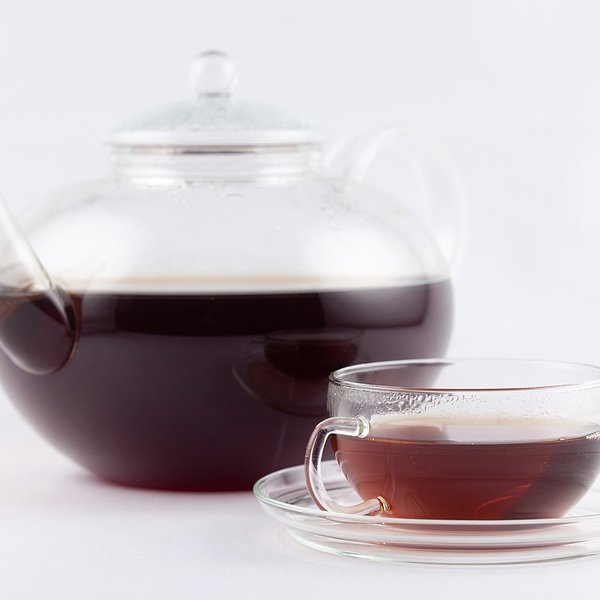 Image: soultea.de/André Helbig via Wikimedia Commons (CC BY 3.0)

Best For: Post-meal bloating, fatty food digestion, regular daily digestive support
Shou pu-erh is China's most popular after-meal digestive tea. The 渥堆 (wet-piling) fermentation process creates beneficial microorganisms — including Aspergillus niger and Saccharomyces — that aid in breaking down fats and proteins. In Cantonese dim sum culture, pu-erh tea (普洱) is inseparable from the meal precisely because it cuts through the grease.
Chinese medical research published in the China Journal of Chinese Materia Medica (中国中药杂志) shows that pu-erh tea polysaccharides can modulate gut microbiota composition and improve lipid metabolism.
 Image: white2tea
Pros:
- Proven digestive benefits backed by both TCM tradition and modern Chinese research
- Warm nature (温性) supports the spleen and stomach directly
- Extremely low astringency — gentle on sensitive stomachs
Cons:
- Cheap shou pu-erh can contain off-flavors from poor fermentation
- The earthy flavor takes getting used to for some people
Price: ¥30–100/100g mini cake ($4–14 USD) | Quality loose shou: ¥50–150/100g
How to brew: 5g in a gaiwan or small pot, 100°C water, rinse once, steep 10–15 seconds. Good for 8+ infusions. Or simmer 8g in 500ml water for a large serving.
Read our full Pu-erh buying guide for quality tips.
2. Da Mai Cha (大麦茶) — Roasted Barley Tea
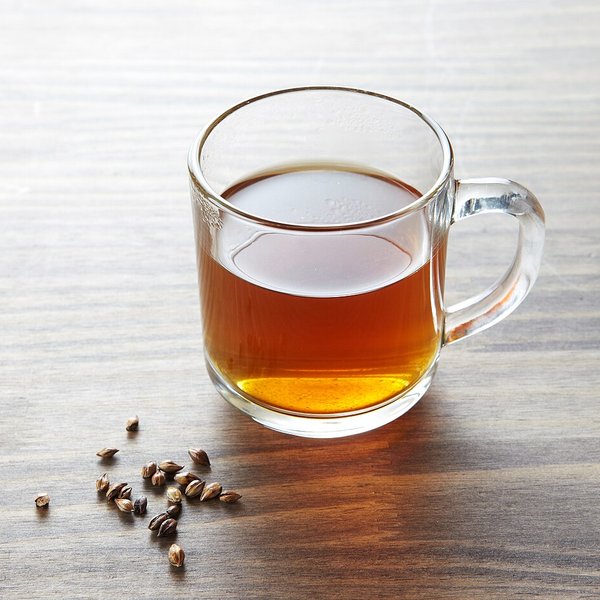 Image: 국립국어원 via Wikimedia Commons (CC BY-SA 2.0 kr)
.jpg)
Best For: Caffeine-sensitive people, children, and everyday gentle digestive support
Barley tea isn't technically "tea" (it's a grain infusion), but it's one of the most consumed digestive drinks in China, Korea, and Japan. In Chinese medicine, barley (大麦) is sweet, neutral, and enters the spleen and stomach channels. Roasting activates its 消食化积 (food-dissolving, stagnation-clearing) properties.
It's the tea served free at Chinese restaurants — and there's a reason for that.
Pros:
- Caffeine-free and safe for everyone, including children and pregnant women
- Neutral temperature — won't aggravate either hot or cold constitutions
- Incredibly cheap and easy to brew in large batches
Cons:
- Mild effects — not strong enough for serious digestive stagnation
- Some people with gluten sensitivity may react to barley (though roasted barley is very low in gluten)
Price: ¥5–15/200g of roasted barley ($0.70–2 USD) — one of the cheapest teas available
How to brew: Add 30g roasted barley to 1.5L water, bring to boil, simmer 10 minutes. Drink hot or cold throughout the day.
3. Shan Zha Cha (山楂茶) — Hawthorn Berry Tea
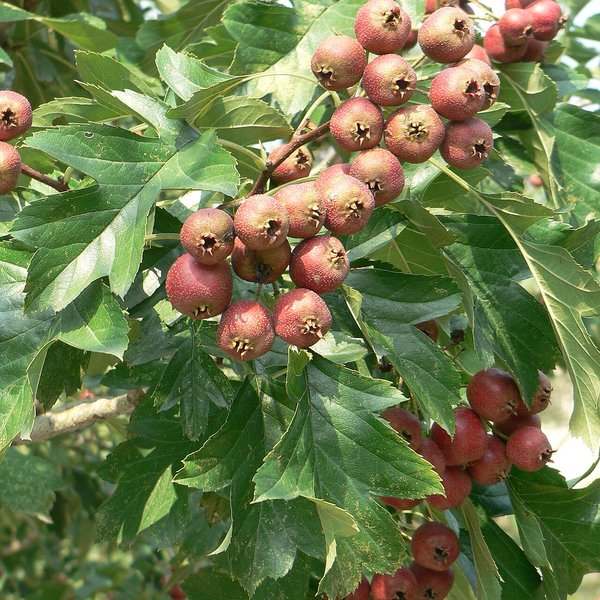 Image: Yongxinge via Wikimedia Commons (CC BY-SA 3.0)

Best For: Meat and fatty food digestion, food stagnation with bloating
Hawthorn (山楂) is Chinese medicine's specific herb for 消肉食 (digesting meat and greasy food). It's so effective that it's the primary ingredient in the popular Chinese digestive formula Bao He Wan (保和丸). After a heavy hot pot or barbecue meal, hawthorn tea is the Chinese go-to.
 Photo: Pixabay
Pros:
- Specifically effective for meat and fat digestion — targeted action
- Pleasant tart-sweet flavor that most people enjoy
- Available as dried slices, candied snacks (冰糖葫芦), and concentrated tablets
Cons:
- Too sour for people with acid reflux or stomach ulcers — can aggravate acidity
- Not recommended on an empty stomach — the acidity can irritate the stomach lining
Price: ¥8–20/100g dried slices ($1–3 USD) | Hawthorn tea bags: ¥10–25/box
How to brew: Steep 5–8 dried hawthorn slices in boiling water for 5–10 minutes. Add rock sugar (冰糖) or honey for sweetness. Can re-steep 2–3 times.
4. Chen Pi Cha (陈皮茶) — Aged Tangerine Peel Tea
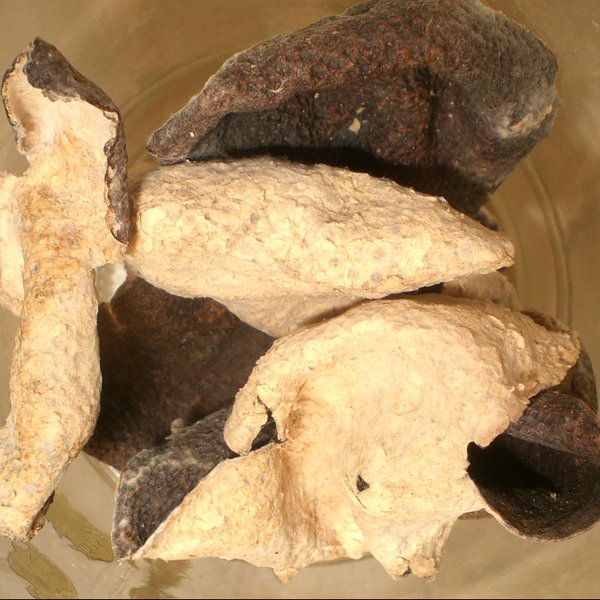 Image: Dboxes via Wikimedia Commons (CC BY-SA 3.0)

Best For: Bloating with qi stagnation, nausea, poor appetite
Chen Pi (陈皮, aged tangerine peel) is one of the most versatile herbs in Chinese medicine's digestive arsenal. It regulates qi (理气), dries dampness (燥湿), and harmonizes the stomach (和胃). The older the peel, the more effective — genuinely aged Xinhui (新会) Chen Pi from Guangdong is considered medicinal grade.
Chen Pi is also the key ingredient in the popular Cantonese combination: 陈皮普洱 (Chen Pi Pu-erh), which doubles the digestive benefits.
Pros:
- Addresses the qi stagnation component of indigestion — not just food breakdown
- Combines beautifully with pu-erh tea for enhanced digestive effect
- Aged Chen Pi develops complex citrus-medicinal flavors that improve with time
Cons:
- Quality aged Chen Pi (10+ years) is expensive — ¥500+/100g for genuine Xinhui
- Young, fresh peel (1–3 years) is less effective than properly aged material
Price: ¥10–30/50g for 3–5 year old ($1.50–4 USD) | 10+ year Xinhui: ¥200+/50g
How to brew: Steep 3–5g aged peel in boiling water for 5 minutes. Or add to pu-erh tea. Can simmer in soup as well.
5. Ju Hua Jue Ming Zi Cha (菊花决明子茶) — Chrysanthemum and Cassia Seed Tea
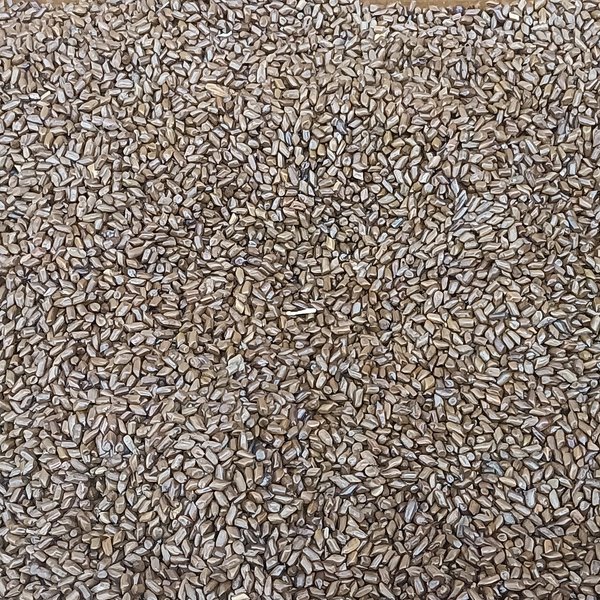 Image: Fumikas Sagisavas via Wikimedia Commons (CC0)
.jpg)
Best For: Constipation-type digestive issues, liver-heat affecting digestion
This combination targets a specific digestive pattern: when liver heat (肝火) invades the stomach and intestines, causing constipation, irritability, and bloating. Chrysanthemum (菊花) clears liver heat, while cassia seed (决明子) moistens the intestines and promotes bowel movement. It's one of the most popular wellness teas on Taobao and Xiaohongshu.
Pros:
- Addresses constipation naturally without harsh laxative effects
- The liver-clearing action helps stress-related digestive issues
- Pleasant floral flavor from the chrysanthemum
Cons:
- Not appropriate for loose-stool types — cassia seed's laxative effect will make things worse
- Long-term use of cassia seed in large doses can deplete qi
Price: ¥15–30 for pre-mixed tea bags ($2–4 USD) | Separate ingredients: ¥10–20 each/50g
How to brew: Steep 3g chrysanthemum + 5g cassia seed in boiling water for 10 minutes. Drink 1–2 cups per day. Reduce cassia seed if stools become too loose.
When to Drink Digestive Tea: The TCM Timing Guide
| Timing | Best Tea | Reason |
|---|---|---|
| 30 min after heavy meal | Shou Pu-erh, Hawthorn | Aids active digestion without diluting gastric juices |
| Throughout the day | Barley tea | Gentle maintenance, replaces water |
| After greasy/fatty food | Hawthorn + Pu-erh combo | Specifically targets fat digestion |
| When bloated with gas | Chen Pi tea | Moves stuck qi, resolves distension |
| Morning (for constipation) | Chrysanthemum + Cassia Seed | Promotes morning bowel movement |
FAQ
What is the best Chinese tea for bloating? Chen Pi (aged tangerine peel) tea is most effective for bloating because it specifically moves qi stagnation in the stomach. Shou pu-erh is a close second, especially if the bloating follows a large or fatty meal. For bloating with constipation, add cassia seed tea.
Is it true that Chinese tea helps with weight loss? Pu-erh tea has the most research supporting its role in lipid metabolism. Chinese studies show it can modulate gut bacteria and reduce fat absorption. However, it's a supportive tool, not a weight loss miracle. The traditional Chinese view is that proper digestion (strong 脾胃) naturally prevents weight gain.
Can I drink green tea for digestion? Green tea is cooling (凉性) and can actually weaken digestion in people with cold-type spleen deficiency (脾胃虚寒). If you have good digestive fire and tend to run hot, green tea after meals is fine. If you're the type who gets bloated, cold-handed, and prefers warm drinks, stick to pu-erh or barley tea.
How long does it take for digestive teas to work? For acute post-meal discomfort, hawthorn and pu-erh tea typically relieve symptoms within 30–60 minutes. For chronic digestive weakness, consistent daily tea drinking for 2–4 weeks is needed to notice improvement. TCM views these teas as rebuilding digestive capacity, not as quick fixes.
Are there any teas I should avoid if I have acid reflux? Avoid hawthorn tea (too acidic), strong green tea (increases stomach acid), and chrysanthemum-cassia seed tea (cassia can aggravate reflux). Shou pu-erh and barley tea are the safest choices for people with acid reflux — both are gentle, alkaline-leaning, and don't stimulate acid production.
Related Reading
- Food Therapy for Digestion: Spleen and Stomach Care
- Warming vs. Cooling Foods: The Chinese Classification System
- Medicinal Teas: 15 Recipes for Common Conditions
— The Chinese Food Therapy Trends Team