Warming vs. Cooling Foods: The Chinese Classification System Explained
This article is for educational purposes only and does not constitute medical advice. Chinese food classification is part of traditional Chinese medicine theory and should not replace professional medical guidance. Consult a qualified TCM practitioner before making significant dietary changes.

Quick Answer
- Chinese medicine classifies all foods into 5 thermal natures (五性) — hot, warm, neutral, cool, and cold — based on their effect on the body after digestion, not their actual temperature or spice level
- Roughly 60% of common foods are neutral, 25% are warm or hot, and 15% are cool or cold — the system is designed so that a balanced diet naturally leans toward equilibrium
- Eating against your constitution causes problems: cold-constitution people eating too many cooling foods (raw salads, iced drinks, watermelon) develop Spleen Yang Deficiency, while hot-constitution people eating too many warming foods (lamb, ginger, cinnamon) develop excess internal heat (上火)
- Use the [Constitution Quiz](/tools/constitution-quiz) to identify your body type, then reference the [Ingredient Lookup](/tools/ingredient-lookup) to check any food's thermal nature before building your meals
Photo by Couleur on Pixabay
This article is for educational purposes only and does not constitute medical advice. Chinese food classification is part of traditional Chinese medicine theory and should not replace professional medical guidance. Consult a qualified TCM practitioner before making significant dietary changes.
The System Western Nutrition Doesn't Have
Western nutrition breaks food into macros and micros. Protein, fat, carbs. Vitamins A through K. Calories in, calories out.
Chinese medicine looks at the same plate of food and asks a completely different question: what does this food do to your body's thermal balance after you eat it?
A slice of watermelon and a bowl of lamb stew might have comparable calories. But in the Chinese system, they sit at opposite ends of the thermal spectrum. Watermelon is deeply cold (寒性). Lamb is warm (温性). Feed watermelon to someone with a cold constitution in winter, and you'll worsen their fatigue, loose stools, and cold hands. Feed lamb stew to someone with a hot constitution in summer, and you'll trigger nosebleeds, acne, and insomnia.
This isn't folk wisdom. It's a classification system with over 2,000 years of clinical refinement, codified in texts from the Huangdi Neijing (《黄帝内经》) through the Bencao Gangmu (《本草纲目》). Li Shizhen's 16th-century masterwork catalogued 1,892 medicinal substances — including 397 foods — with their thermal properties, flavors, and organ affinities meticulously documented.
The Huangdi Neijing established the foundational principle: "寒者热之,热者寒之" — cold conditions should be treated with hot, and hot conditions with cold. This principle governs not just herbal medicine but daily eating.
The Five Thermal Natures (五性): A Complete Breakdown
Hot (热性)
Hot foods are the most Yang-dominant category. They aggressively warm the body, dispel cold, stimulate circulation, and boost metabolism. They're medicine-grade warming — use them intentionally, not casually.
Common hot foods:
- Chili peppers (辣椒) — disperses cold, stimulates appetite, promotes sweating
- Dried ginger (干姜) — stronger warming action than fresh ginger; warms the Spleen and Stomach
- Cinnamon bark (肉桂) — warms the Kidney Yang, used in severe cold constitutions
- Black pepper (黑胡椒) — warms the Stomach, treats cold-type vomiting
- Sichuan peppercorn (花椒) — warms the middle Jiao, relieves cold-damp pain
- Baijiu and other strong spirits — strongly warming, circulates Blood
Who needs them: People with severe Yang Deficiency — always cold, pale face, cold limbs, watery stools, low energy. Also useful during acute cold exposure or early-stage wind-cold infections.
Who should avoid them: Anyone with Yin Deficiency, Blood Heat, or inflammatory conditions. Signs include night sweats, hot palms and soles, red tongue with little coating, and a tendency toward nosebleeds or mouth ulcers.
Clinical context: A survey published by the Guangzhou University of Chinese Medicine analyzing 856 patients found that roughly 12.71% of the Chinese population has a Yang-Deficient constitution — these are the primary candidates for regular hot-food consumption.
Warm (温性)
Warm foods are the workhorses of the thermal system. They gently tonify Yang, support Spleen function, improve circulation, and boost Qi production — without the aggressive heat of the hot category. Most TCM practitioners recommend warm foods as the daily default for cold and neutral constitutions.
Common warm foods:
Proteins:
- Lamb (羊肉) — the classic warming meat; tonifies Kidney Yang, warms the middle
- Chicken (鸡肉) — warms the Spleen, tonifies Qi and Blood
- Shrimp (虾) — warms the Kidney, tonifies Yang
- Venison (鹿肉) — strongly tonifies Kidney Yang
Vegetables and aromatics:
- Fresh ginger (生姜) — milder than dried; warms the Stomach, disperses cold
- Leeks (韭菜) — called "起阳草" (Yang-raising herb); warms the Kidney
- Garlic (大蒜) — warms the Spleen and Stomach, resolves toxins
- Scallions (大葱) — disperses wind-cold, opens the nasal passages
- Pumpkin (南瓜) — warms the middle Jiao, benefits the Spleen
- Chives (韭黄) — milder than leeks, still warming
Fruits and nuts:
- Longan (龙眼/桂圆) — warms the Heart and Spleen, nourishes Blood
- Lychee (荔枝) — warms the Spleen, but easy to overconsume (causes 上火)
- Cherries (樱桃) — warms the Spleen and Kidney, benefits Blood circulation
- Walnuts (核桃) — warms the Kidney and Lung, moistens the intestines
- Red dates (大枣) — warms the Spleen, tonifies Qi and Blood
- Chestnuts (板栗) — called "肾之果" (fruit of the Kidney); tonifies Kidney Yang
Grains and spices:
- Glutinous rice (糯米) — warm and sweet, tonifies Spleen Qi
- Fennel (茴香) — warms the Liver and Kidney, disperses cold
- Star anise (八角) — warms the middle Jiao, relieves cold pain
Neutral (平性)
Neutral foods form the dietary foundation. They don't push the body toward heat or cold. Everyone can eat them regardless of constitution, season, or health condition. TCM dietary theory holds that the majority of a person's diet should come from this category.
Common neutral foods:
Proteins:
- Pork (猪肉) — neutral and sweet, nourishes Yin and Blood
- Beef (牛肉) — neutral to slightly warm, tonifies Spleen Qi
- Eggs (鸡蛋) — nourishes Yin and Blood, moistens dryness
- Carp (鲤鱼) — benefits the Spleen, promotes urination
- Crucian carp (鲫鱼) — tonifies the Spleen, promotes lactation
Vegetables:
- Chinese yam (山药) — tonifies Spleen, Lung, and Kidney
- Carrots (胡萝卜) — benefits the Spleen, nourishes the Liver
- Potatoes (土豆) — tonifies Spleen Qi, harmonizes the Stomach
- Cabbage (卷心菜) — benefits the Stomach, easy to digest
- Mushrooms (蘑菇/香菇) — tonify Qi, boost immunity
- Black wood ear (黑木耳) — nourishes Blood, moistens dryness
Grains and legumes:
- Rice (大米/粳米) — the quintessential neutral food; tonifies Spleen Qi
- Corn (玉米) — benefits the Spleen, promotes urination
- Soybeans (黄豆) — tonifies Spleen Qi, moistens dryness
- Peanuts (花生) — tonifies the Spleen, nourishes Blood
- Black sesame (黑芝麻) — nourishes Liver and Kidney, moistens the intestines
Cool (凉性)
Cool foods gently clear heat and mildly nourish Yin. They're appropriate for people with slight heat tendencies, during warm seasons, or when mild internal heat symptoms appear (dry mouth, mild irritability, slightly yellow urine). Less aggressive than cold foods — safe for regular consumption in appropriate amounts.
Common cool foods:
Proteins:
- Duck (鸭肉) — the most cooling common meat; nourishes Yin, clears deficiency heat
- Rabbit (兔肉) — cool and sweet, clears heat, benefits the Stomach
- Crab (螃蟹) — cool and salty, clears heat, nourishes Yin (eat with ginger to offset the cold)
Vegetables:
- Celery (芹菜) — clears Liver heat, lowers blood pressure
- Spinach (菠菜) — nourishes Blood, moistens dryness
- Lettuce (莴笋) — clears heat, promotes urination
- Eggplant (茄子) — clears heat, cools Blood
- Tomatoes (番茄) — clears heat, generates fluids
- Tofu (豆腐) — clears heat, moistens dryness, generates fluids
Fruits:
- Pear (梨) — clears Lung heat, generates fluids, moistens dryness
- Apple (苹果) — generates fluids, moistens the Lung
- Tangerine (柑橘) — regulates Qi, clears mild heat
- Mango (芒果) — clears heat, generates fluids (but can cause dampness in excess)
- Kiwi (猕猴桃) — clears heat, generates fluids, promotes urination
Grains and other:
- Mung beans (绿豆) — classic heat-clearing food; detoxifies, cools the Blood
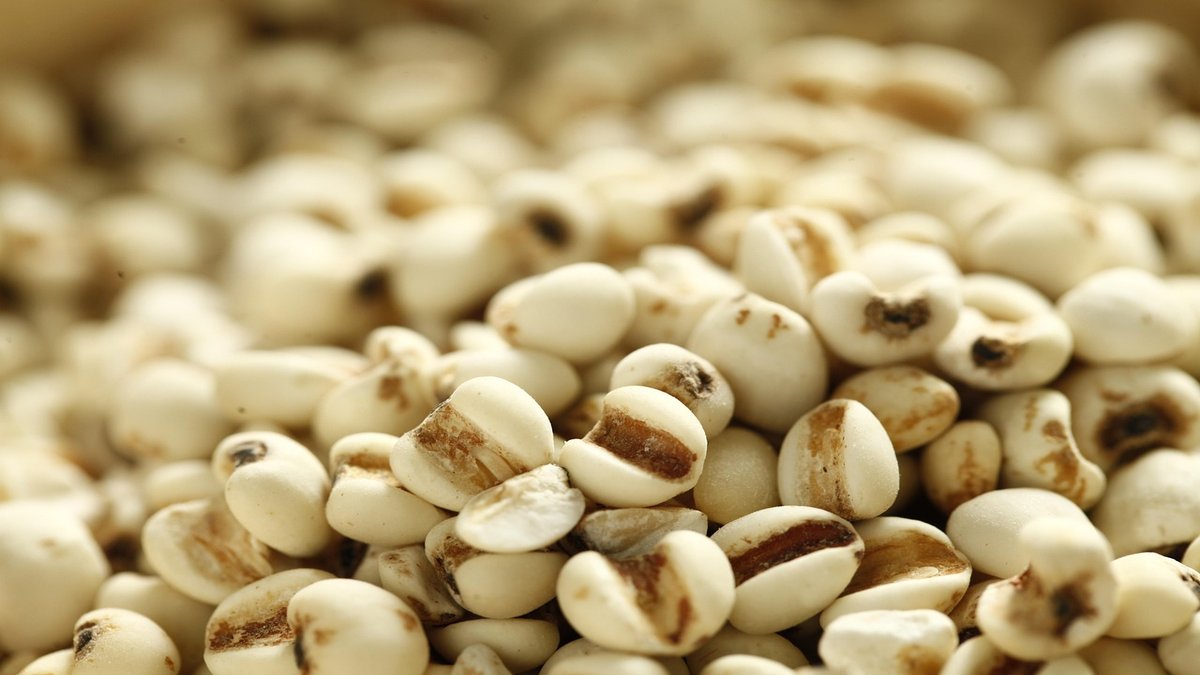
- Barley/Job's tears (薏米) — drains dampness, clears heat, benefits the Spleen
- Wheat (小麦) — nourishes the Heart, calms the spirit
- Green tea (绿茶) — clears heat, promotes alertness, generates fluids
Cold (寒性)
Cold foods are the most Yin-dominant. They powerfully clear heat, drain fire, cool the Blood, and resolve toxins. They're medicinal in nature — useful for acute heat conditions but harmful when consumed regularly by cold-constitution individuals.
Common cold foods:
- Watermelon (西瓜) — called "天然白虎汤" (natural White Tiger Decoction); powerfully clears Stomach heat
- Bitter melon (苦瓜) — clears heart fire, brightens the eyes, detoxifies
- Water chestnut (荸荠) — clears Lung and Stomach heat, generates fluids
- Seaweed/kelp (海带) — softens hardness, clears heat, promotes urination
- Bamboo shoots (竹笋) — clears heat, reduces phlegm
- Persimmon (柿子) — clears Lung heat, generates fluids (never eat on empty stomach)
- Banana (香蕉) — clears intestinal heat, moistens the intestines
- Lotus root (raw, 生藕) — clears heat, cools Blood (note: cooked lotus root becomes warm)
Critical nuance: Cooking method changes thermal nature. Raw lotus root is cold. Cooked lotus root is warm. Raw ginger is warm. Dried ginger is hot. This is one of the most important practical concepts in the entire system.
How Thermal Nature Is Determined
The classification isn't arbitrary. Chinese medical scholars over millennia developed these categories through systematic observation of what happens to the body after consuming a food. The Beijing Municipal Administration of Traditional Chinese Medicine describes the process as observing the body's response patterns:
1. Post-ingestion body response. If a food, eaten in reasonable amounts, causes warmth, increased energy, sweating, or flushed skin — it's classified as warm or hot. If it causes cooling sensations, calms agitation, increases urination, or loosens stools — it's cold or cool.
2. Growth environment. Foods that grow in hot climates or during summer tend to be cooling (watermelon, mung beans, bitter melon). Foods that grow in cold climates or winter tend to be warming (lamb from northern China, root vegetables harvested in autumn).
3. Color and density. As a general pattern, red and dark-colored foods tend toward warming (red dates, longan, lamb). Green and pale foods tend toward cooling (mung beans, celery, pear). Dense, heavy foods tend warm. Light, watery foods tend cool.
4. Flavor profile. Pungent (辛) and sweet (甘) flavors tend warm. Bitter (苦) and salty (咸) flavors tend cool. Sour (酸) is variable. This connects to the Five Flavors system in TCM.
5. Accumulated clinical experience. Thousands of years of documented clinical observation form the backbone. Texts like the Shennong Bencao Jing (《神农本草经》), dating to roughly 200 CE, classified 365 substances by their properties. Each subsequent medical text refined these classifications based on generations of clinical use.
Practical Application: Eating for Your Constitution
Cold Constitution (寒性体质)
Signs: Cold hands and feet, pale complexion, preference for warm drinks, loose stools, fatigue, pale tongue with white coating.
Dietary strategy:
- Base diet on warm and neutral foods — chicken, lamb, ginger, scallions, glutinous rice, red dates, longan
- Minimize raw vegetables, cold drinks, tropical fruits, ice cream
- Cooking methods: Stewing, braising, stir-frying with ginger and garlic. Avoid raw preparations.
- Key principle: The 9 TCM Body Constitutions guide identifies Yang-Deficient and Qi-Deficient types as the primary cold constitutions — together representing roughly 25% of the population based on Chinese epidemiological surveys
Sample day:
- Breakfast: Millet congee with red dates and longan
- Lunch: Ginger chicken stir-fry with steamed rice and sauteed leeks
- Dinner: Lamb and Chinese yam soup with warm vegetables
- Snack: Walnut and red date tea
Hot Constitution (热性体质)
Signs: Flushed face, preference for cold drinks, irritability, constipation, dark yellow urine, red tongue with yellow coating, mouth ulcers, acne.
Dietary strategy:
- Base diet on cool and neutral foods — duck, tofu, mung beans, cucumber, pear, watermelon (in season), green tea
- Minimize lamb, chili peppers, cinnamon, fried foods, alcohol
- Cooking methods: Steaming, boiling, light stir-frying. Use less oil and fewer spices.
- Key principle: Yin-Deficient and Damp-Heat constitutions tend toward heat. The Yin-Deficient type specifically benefits from cool, moistening foods. The Huangdi Neijing states: "热因寒用" — use cold to treat heat.
Sample day:
- Breakfast: Mung bean congee with lily bulb
- Lunch: Steamed fish with tofu and light vegetables
- Dinner: Duck and winter melon soup
- Snack: Pear with rock sugar and tremella mushroom
Balanced/Neutral Constitution (平和体质)
Signs: Good energy, normal appetite, regular digestion, balanced complexion, no strong temperature preferences.
Dietary strategy:
- Eat broadly from all categories, emphasizing neutral foods
- Adjust seasonally: more warming foods in winter, more cooling foods in summer
- The Seasonal Eating Calendar provides month-by-month guidance
Seasonal Adjustment: The Critical Variable
Even if your constitution runs cold, you shouldn't eat lamb stew every day in July. TCM mandates seasonal adjustment of thermal food choices. The Huangdi Neijing instructs: "春夏养阳,秋冬养阴" — nourish Yang in spring and summer, nourish Yin in autumn and winter. This seems counterintuitive, but the logic is:
Spring (春): The body's Yang begins rising. Eat moderately warm foods to support this transition. Add scallions, Chinese chives, ginger. Reduce heavy, greasy warming foods from winter. Focus on Liver-supporting foods.
Summer (夏): Yang is at peak. The body needs cooling support. Mung bean soup, watermelon, bitter melon, chrysanthemum tea. But don't overdo ice-cold foods — they shock the Spleen. Room-temperature cooling foods are better than ice. Studies from the Shanghai University of TCM suggest that excessive cold-food consumption in summer is a leading cause of Spleen Qi Deficiency in younger populations.
Autumn (秋): Dryness dominates. Focus on moistening, slightly cool foods — pear, white fungus (tremella), lily bulb, honey, sesame. The Lung is vulnerable in autumn; nourish Lung Yin. See our seasonal soup recipes for autumn-specific preparations.
Winter (冬): Yang retreats inward. This is the time for warming, nourishing foods — lamb, ginger, walnuts, chestnuts, warming soups. The Kidney stores essence in winter; support Kidney Yang. Bone broth, black sesame, and black beans all tonify Kidney.
The Cooking Method Variable
One of the most practical — and most overlooked — aspects of the thermal system: cooking transforms thermal nature.
| Raw State | After Cooking | Shift |
|---|---|---|
| Raw lotus root (生藕) — cold | Cooked lotus root (熟藕) — warm | Cold → Warm |
| Raw radish (生白萝卜) — cool | Cooked radish (熟白萝卜) — warm | Cool → Warm |
| Fresh ginger (生姜) — warm | Dried ginger (干姜) — hot | Warm → Hot |
| Raw greens — cool to cold | Stir-fried greens — neutral to warm | Cool → Neutral/Warm |
| Raw carrot — neutral | Stewed carrot — slightly warm | Neutral → Slightly Warm |
General cooking rules:
- Boiling and steaming preserve original nature with slight warming
- Stir-frying adds moderate warmth
- Deep frying adds significant heat (plus Dampness)
- Slow stewing and braising add gentle, sustained warmth
- Eating raw preserves the food's coolest state
- Adding ginger, garlic, scallions shifts any dish toward warmth
- Adding vinegar or lemon adds a slight cooling, astringent quality
This is why TCM practitioners tell cold-constitution patients to stop eating raw salads. It's not that vegetables are bad — it's that raw vegetables retain their full cooling nature. The same spinach, lightly stir-fried with ginger, becomes a balanced, easily digestible dish that even a cold-constitution person can eat daily.
Common Mistakes and Misconceptions
Mistake 1: "Spicy = Hot in TCM"
Not exactly. Spicy refers to the pungent flavor (辛味), which is one of the five flavors. Pungent foods tend toward warming, but the degree varies enormously. Mint is pungent but cooling. Garlic is pungent and warm. Chili pepper is pungent and hot. Don't assume all spicy food is "heating" in the TCM sense.
Mistake 2: "Cold Foods Are Bad"
Cold foods aren't inherently bad. They're medicine for heat conditions. Someone with Stomach Fire (gastritis, mouth ulcers, intense thirst) genuinely needs cooling foods. The problem is chronic, excessive consumption of cold foods by people who don't have heat conditions — particularly the modern habit of drinking ice water, eating ice cream, and consuming raw salads year-round.
Mistake 3: "I Should Only Eat Foods Matching My Constitution"
Balance, not matching, is the goal. A cold-constitution person should eat predominantly warm and neutral foods but can include small amounts of cooling foods for balance — especially in summer. The Huangdi Neijing emphasizes "谨和五味" (carefully harmonize the five flavors) — the aim is balanced moderation, not rigid exclusion.
Mistake 4: "This System Contradicts Western Nutrition"
It doesn't — it operates on a different axis. A food can be both rich in vitamin C (Western analysis) and cooling in nature (Chinese analysis). Oranges are a perfect example. Both frameworks are useful. Vitamin C content tells you about immune support. Cooling nature tells you it's better for someone with a warm constitution than someone with a cold constitution who catches frequent colds.
Mistake 5: "Temperature of the Food = Thermal Nature"
Hot coffee is still a cooling beverage in TCM terms (coffee is considered warm, but green coffee or cold brew may differ). A warm bowl of watermelon soup is still a cold-natured food. Thermal nature describes the post-digestive effect on the body, not the serving temperature.
Building Your Thermal-Balanced Kitchen
A well-stocked Chinese food therapy kitchen needs ingredients across the spectrum. Here's a starter pantry:
Warming shelf: Dried ginger, cinnamon sticks, red dates, longan, walnuts, fennel seeds, glutinous rice, brown sugar, Pu-erh tea
Neutral shelf: Rice, millet, Chinese yam (dried), black sesame, peanuts, mushrooms (dried shiitake), black wood ear, eggs, honey
Cooling shelf: Mung beans, barley (薏米), lily bulb (百合), chrysanthemum (菊花), green tea, dried lotus seed, pear (fresh), tofu
The Ingredient Lookup tool lets you check any food's thermal nature, flavor, and organ affinity before you cook. The top 10 medicinal foods guide covers the most versatile therapeutic ingredients in detail.
Thermal Nature in Modern Research
Modern pharmacological research has begun investigating the biological basis of TCM thermal classification. Several findings stand out:
1. Metabolic rate effects. Studies from Chinese medical universities have found that warming foods tend to increase basal metabolic rate and thermogenesis, while cooling foods tend to reduce metabolic activity and inflammation markers. A research review from the China Academy of Chinese Medical Sciences noted measurable differences in energy expenditure after consuming warm-natured versus cold-natured food preparations.
2. Gut microbiome connections. Emerging research from the Guangzhou University of Chinese Medicine has explored correlations between food thermal nature and gut microbiome composition. Warm-natured foods tend to support Firmicutes-dominant profiles (associated with more efficient energy extraction), while cool-natured foods tend to support Bacteroidetes-dominant profiles.
3. Anti-inflammatory profiles. Cold and cool foods (mung beans, bitter melon, chrysanthemum) tend to contain higher concentrations of anti-inflammatory compounds — flavonoids, polyphenols, and alkaloids. This aligns with TCM's classification of these foods as "heat-clearing."
4. Thermogenic compounds. Hot and warm foods (ginger, cinnamon, chili) contain known thermogenic compounds — gingerols, cinnamaldehyde, capsaicin — that measurably increase body temperature and metabolic rate. Modern biochemistry essentially confirms what TCM practitioners observed empirically for centuries.
When to See a Practitioner
Self-guided thermal balancing works for generally healthy people making everyday food choices. But see a qualified TCM practitioner when:
- You can't determine your constitution type — mixed constitutions are common and require professional assessment
- You have chronic symptoms that don't improve after 4-6 weeks of dietary adjustment
- You're managing a diagnosed medical condition alongside food therapy
- You're pregnant, postpartum, or managing a chronic illness — thermal balance becomes more complex and consequential during these periods
- Your symptoms worsen after dietary changes — you may be misidentifying your pattern
The Constitution Quiz provides a starting assessment, but it's a screening tool, not a diagnosis. Complex or chronic conditions warrant professional evaluation.
Frequently Asked Questions
Can the same food be warming for one person and cooling for another?
No — a food's thermal nature is intrinsic and consistent. Lamb is always warm. Watermelon is always cold. What changes is the effect on different people. A warm food eaten by a cold-constitution person produces a beneficial balancing effect. The same warm food eaten by a hot-constitution person produces an excess-heat effect. The food doesn't change; the body's response changes based on its starting condition.
How long does it take for thermal-balanced eating to show results?
Most people notice changes within 2-4 weeks. Cold-constitution people who switch from raw/cold diets to warm, cooked meals often report improved digestion, warmer hands and feet, and better energy within 10-14 days. Hot-constitution people who reduce spicy, fried, and warming foods often see reduced acne, better sleep, and less irritability within a similar timeframe. Deeper constitutional shifts take 3-6 months of consistent practice.
Is there scientific evidence for the thermal food classification system?
Yes, but it's concentrated in Chinese-language research. Chinese medical universities have published hundreds of studies correlating TCM thermal classifications with measurable biochemical properties — metabolic rate changes, anti-inflammatory compound profiles, thermogenic effects. The evidence base is substantial but methodologically different from Western randomized controlled trials. The system is best understood as a practical clinical framework refined over millennia, increasingly supported by modern pharmacological findings.
What about foods not in the traditional Chinese classification — like coffee, chocolate, or avocado?
Modern TCM practitioners have classified many non-traditional foods based on observed effects. Coffee is generally considered warm and bitter (some classify it as hot). Chocolate is warm. Avocado is cool and moistening. These classifications follow the same principles used for traditional foods — observing post-ingestion effects on body temperature, energy, digestion, and moisture levels. The Ingredient Lookup tool includes modern food classifications.
Can I eat cooling foods in winter or warming foods in summer?
Yes, in moderation. TCM doesn't ban any category by season — it adjusts proportions. In winter, your diet might be 60% warm, 30% neutral, 10% cool. In summer, it shifts to 20% warm, 40% neutral, 40% cool. The key is avoiding extremes: don't eat ice cream in December or lamb hotpot in August (unless your constitution specifically demands it). The Seasonal Eating Calendar gives month-by-month ratios.
Related Reading
- The 9 TCM Body Constitutions: What Chinese Medicine Says About Your Diet
- Chinese Food Therapy Seasonal Eating Calendar
- Red Dates, Goji Berries, and Astragalus: China's Top 10 Medicinal Foods
— The Yao Shan Guide Team