Eating by Season: The Chinese Food Therapy Calendar
This article is for educational purposes only and does not constitute medical advice. Consult a qualified TCM practitioner before making dietary changes based on traditional Chinese medicine principles.

Quick Answer
- Chinese food therapy follows a seasonal calendar rooted in the principle "天人相应" (heaven and humanity correspond) — matching your diet to the natural cycle of spring growth, summer heat, autumn harvest, and winter storage
- Each season maps to a specific organ system: spring/liver, summer/heart, late summer/spleen, autumn/lungs, winter/kidneys — and foods are selected to support that season's organ
- The 24 Solar Terms (二十四节气), recognized by UNESCO as Intangible Cultural Heritage since 2016, divide the year into roughly two-week periods with specific dietary guidance for each
- Use the [Seasonal Planner](/tools/seasonal-planner) to get personalized food recommendations based on the current solar term and your body constitution
Photo by Couleur on Pixabay
This article is for educational purposes only and does not constitute medical advice. Consult a qualified TCM practitioner before making dietary changes based on traditional Chinese medicine principles.
The Logic Behind Seasonal Eating in Chinese Medicine
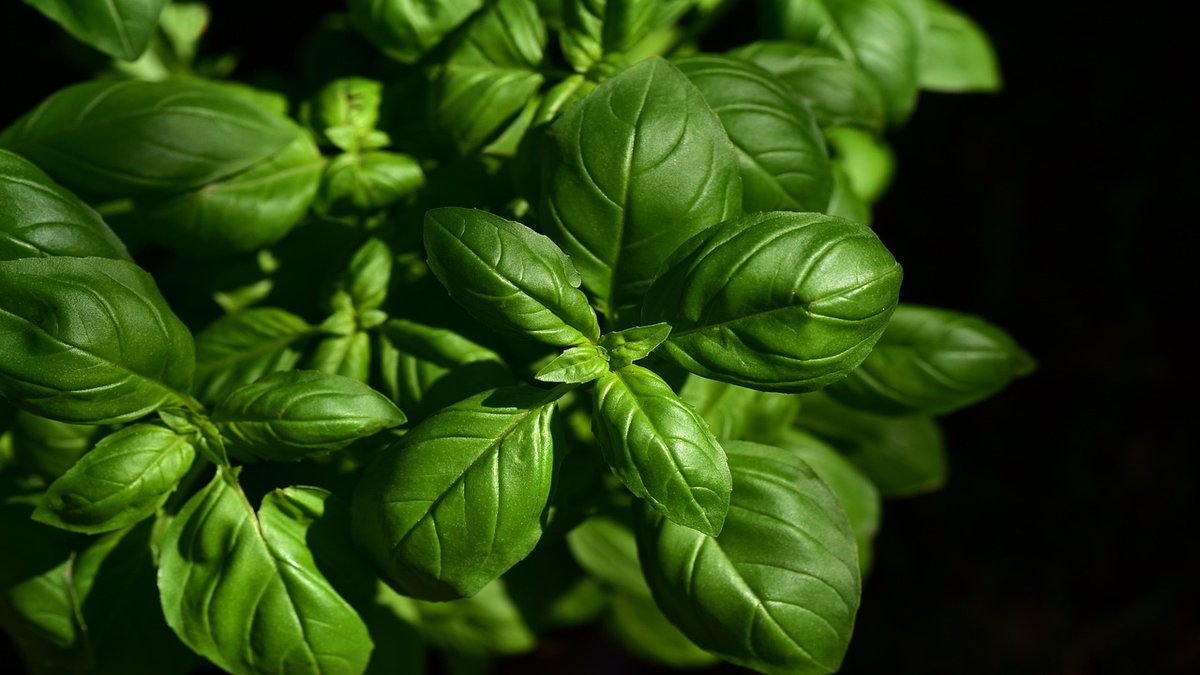
Most modern nutrition advice treats the human body as a machine that runs on fixed inputs — calories, macros, micronutrients — regardless of whether it's January or July. Chinese food therapy sees it differently.
The core idea is "春夏养阳,秋冬养阴" — nourish Yang in spring and summer, nourish Yin in autumn and winter. This principle comes from the Huangdi Neijing (《黄帝内经》), written over 2,000 years ago, and remains the foundational rule of Chinese seasonal dietetics.
The reasoning is straightforward. In spring and summer, Yang energy rises in nature — warmth, growth, expansion. Your body's Yang also rises and becomes active, but this activity can deplete Yang reserves if not supported. In autumn and winter, Yin energy dominates — cold, stillness, contraction. Your body needs to consolidate and store, building Yin reserves for the next cycle.
This isn't abstract philosophy. Research from Chinese medical universities has found that adherence to seasonal dietary principles correlates with measurable health outcomes. A study from the Guangzhou University of Chinese Medicine involving 1,200 participants found that people who adjusted their diet seasonally reported 34% fewer seasonal illness episodes compared to those who ate the same foods year-round. The Beijing University of Chinese Medicine has documented seasonal variations in digestive enzyme activity, immune markers, and metabolic rate that align with TCM seasonal theory.
The Five-Season Framework: Why Chinese Medicine Has Five Seasons, Not Four
Western calendars use four seasons. TCM uses five, because it maps seasons to the Five Elements (五行) and five primary organ systems:
| Season | Element | Organ | Flavor | Color | Direction |
|---|---|---|---|---|---|
| Spring | Wood (木) | Liver/Gallbladder | Sour | Green | East |
| Summer | Fire (火) | Heart/Small Intestine | Bitter | Red | South |
| Late Summer | Earth (土) | Spleen/Stomach | Sweet | Yellow | Center |
| Autumn | Metal (金) | Lungs/Large Intestine | Pungent | White | West |
| Winter | Water (水) | Kidneys/Bladder | Salty | Black | North |
Late summer (长夏) — roughly late July through mid-September — gets its own season because it corresponds to Earth element and the Spleen-Stomach system, which TCM considers the center of digestion and the source of Qi and Blood production. In regions with pronounced humid summers (much of southern and central China), this season's dampness creates unique dietary challenges.
Spring (立春 to 立夏: February – May): Nourish the Liver, Support Rising Yang
The Principle
Spring corresponds to the Liver, which in TCM governs the smooth flow of Qi throughout the body. Just as trees push new shoots upward, your body's Qi should rise and spread freely in spring. The dietary strategy: eat foods that gently assist Liver Qi's upward and outward movement while avoiding foods that suppress or stagnate it.
The classic formula is "省酸增甘" — reduce sour flavors (which astringe and contract) and increase sweet flavors (which nourish and relax). This comes directly from Sun Simiao's Qianjin Yaofang (《千金要方》), a Tang Dynasty medical text from around 652 CE.
What to Eat in Spring
Sprouting and green foods — spring foods should mirror nature's activity:
- Chinese chives (韭菜) — called "the herb of spring" (春之菜), it warms the Kidney Yang and assists Liver Qi
- Bean sprouts (豆芽) — embody the rising, sprouting energy of spring
- Spring bamboo shoots (春笋) — clear heat, promote digestion
- Chinese toon sprouts (香椿) — a traditional spring delicacy that clears heat and detoxifies
- Fresh shepherd's purse (荠菜) — cooling and liver-calming, traditionally eaten around the Qingming solar term
- Spinach (菠菜) — nourishes Blood and moistens dryness
Liver-supporting medicinal foods:
- Chrysanthemum flower tea (菊花茶) — clears Liver heat, brightens the eyes
- Goji berries (枸杞) — nourishes Liver and Kidney Yin
- Chinese red dates — harmonizes Liver Qi and protects the Stomach
Proteins:
- Fish, especially carp and crucian carp (鲫鱼) — light, easy to digest, suitable for spring's rising energy
- Chicken — moderate warming properties support the transition from winter cold
- Eggs — nourishing without being heavy
What to Avoid in Spring
- Excessive sour foods: vinegar-heavy dishes, sour pickles — sourness contracts Liver Qi when it should flow freely
- Heavy, greasy foods — lamb, duck, fried dishes slow down spring's rising Qi
- Overly spicy food — too much heat damages the Liver
- Excessive alcohol — the Liver processes alcohol, and spring is when the Liver is most vulnerable to overwork
Key Solar Terms in Spring
Lichun (立春, ~Feb 4): The first solar term. Begin transitioning from winter's heavy diet. Add light greens. Reduce preserved and salted foods from winter.
Yushui (雨水, ~Feb 19): Rainfall increases. Dampness rises. Add dampness-draining foods: barley (薏米), Chinese yam (山药), and red beans.
Jingzhe (惊蛰, ~Mar 5): "Awakening of insects." Liver Qi rises strongly. Eat pears to clear internal heat that rises with the Liver. Traditional communities in southern China eat pears on this exact day.
Chunfen (春分, ~Mar 20): The equinox. Balance Yin and Yang with neutral-temperature foods. Avoid extremes of hot or cold.
Qingming (清明, ~Apr 4): Peak of spring energy. Eat wild greens — shepherd's purse, mugwort (艾草), dandelion. Traditional Chinese families make qingtuan (青团), green rice balls made with mugwort juice.
Guyu (谷雨, ~Apr 20): "Grain rain." The last spring solar term. Prepare for summer's heat by beginning to incorporate cooling foods. Fresh tea leaves harvested before Guyu (雨前茶) are prized in Chinese tea culture.
Summer (立夏 to 立秋: May – August): Clear the Heart, Manage Heat
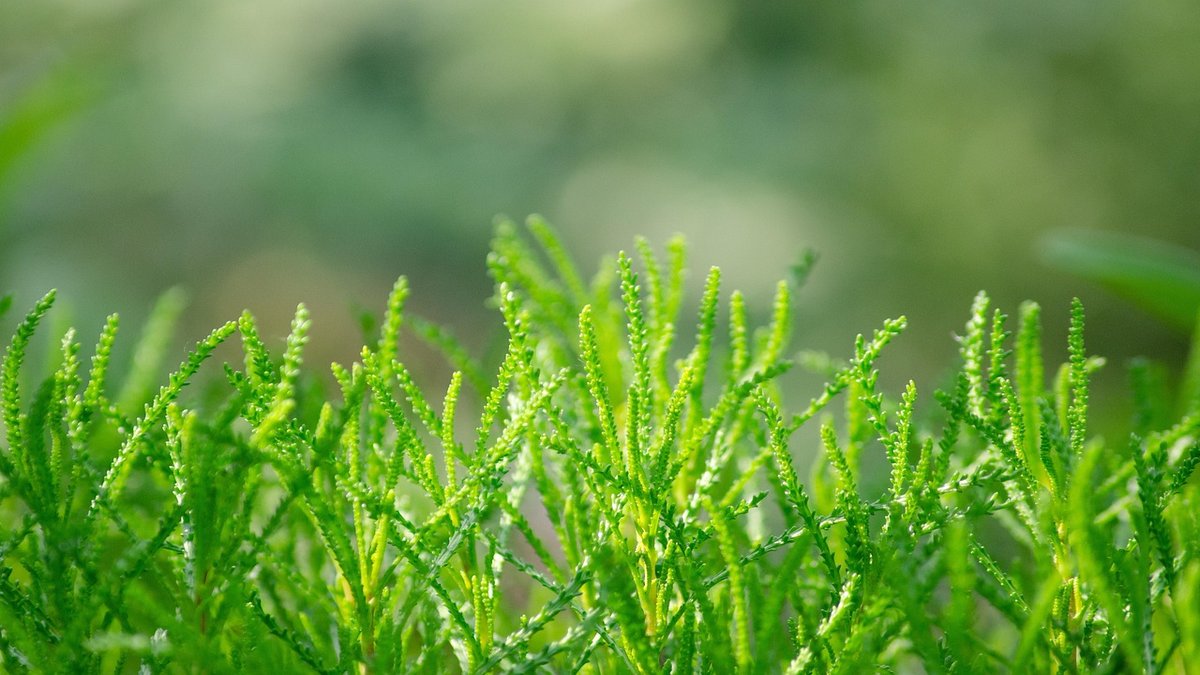
The Principle
Summer corresponds to the Heart, which governs blood circulation, consciousness, and spirit (神). Summer heat stresses the cardiovascular system and disrupts sleep. The dietary strategy: clear heat, generate fluids, and protect the Heart while avoiding excessive cold that damages the Spleen.
This is where TCM diverges sharply from modern habits. Despite the heat, TCM warns against excessive ice-cold foods and drinks. The reasoning: cold foods shock the Stomach, impair the Spleen's digestive function, and trap internal dampness. A warm mung bean soup clears more heat than an iced soft drink, according to this framework.
What to Eat in Summer
Heat-clearing, fluid-generating foods:
- Watermelon (西瓜) — called "natural white tiger soup" (天然白虎汤) in TCM, referencing a classic heat-clearing formula. Rich in citrulline, which modern research links to cardiovascular support
- Bitter gourd (苦瓜) — bitter flavor enters the Heart and clears Heart fire
- Mung beans (绿豆) — the most important summer heat-clearing food in Chinese culture. Chinese families consume an estimated 500,000 tons of mung beans annually during summer months
- Lotus seed (莲子) — clears Heart fire while nourishing Heart Yin
- Lily bulb (百合) — moistens the Lungs, calms the spirit
- Cucumber, winter melon, loofah (丝瓜) — all cooling and hydrating
Summer teas and beverages:
- Sour plum soup (酸梅汤) — made from smoked plums, hawthorn, and osmanthus. Beijing's most iconic summer drink, dating to the Qing Dynasty court. Generates fluids and stops excessive sweating
- Chrysanthemum tea with rock sugar
- Barley water (薏米水) — drains summer dampness
- Honeysuckle tea (金银花茶) — potent heat-clearing properties
Proteins:
- Duck — the only common meat with cooling properties in TCM. Summer duck soup (老鸭汤) is a staple
- Fish and seafood — lighter than red meat
- Tofu — cool, moistening, easy to digest
What to Avoid in Summer
- Excessive ice-cold foods and drinks — despite the temptation
- Lamb, beef, and other warming meats — save them for winter
- Heavy, greasy cooking — prefer steaming, boiling, and light stir-frying
- Excessive chili and Sichuan pepper — compounds internal heat
- Overeating — summer appetite naturally decreases, and TCM says to follow this signal
Late Summer (长夏): The Spleen Season
The transition from full summer to early autumn is dominated by humidity. The Spleen, which in TCM governs fluid metabolism and digestion, is most vulnerable during this period.
Focus foods: Chinese yam (山药), lotus seed, white lentils (白扁豆), barley (薏米), poria (茯苓). All strengthen the Spleen and drain dampness.
Avoid: raw, cold, greasy food — the Spleen hates cold and damp. This is when digestive complaints peak in Chinese clinical practice.
Autumn (立秋 to 立冬: August – November): Moisten the Lungs, Preserve Yin
The Principle
Autumn corresponds to the Lungs, which in TCM govern respiration, skin hydration, and immune defense. The season's defining pathogenic factor is dryness (燥). As humidity drops and temperatures fall, the Lungs are directly exposed to dry air with every breath. The dietary strategy: moisten the Lungs, nourish Yin, and prevent dryness from damaging the body's fluids.
The principle is "少辛增酸" — reduce pungent/spicy flavors (which scatter and dry) and increase sour flavors (which astringe and preserve fluids). This is the inverse of spring's principle, reflecting the seasonal reversal.
What to Eat in Autumn
Moistening, Yin-nourishing foods:
- Pear (梨) — the single most important autumn food in Chinese dietary tradition. Can be eaten raw, steamed, or made into soup. Steamed pear with rock sugar and Sichuan fritillary (川贝母) is the classic autumn cough remedy
- Tremella mushroom (银耳) — called "the poor person's bird's nest," it's nearly as effective at moistening as genuine bird's nest at a fraction of the cost. Contains polysaccharides studied for immune-modulating properties
- Sesame (芝麻) — both black and white sesame moisten dryness. Black sesame additionally nourishes Kidney Yin
- Honey (蜂蜜) — moistens the Lungs and Large Intestine, relieves dry cough and constipation
- Lily bulb (百合) — moistens Lungs, calms the spirit
- Lotus root (莲藕) — raw lotus root clears heat; cooked lotus root nourishes Blood and warms the Stomach. A common saying: 生藕凉,熟藕暖
Autumn soups (润燥汤):
- Pear and snow fungus sweet soup (雪梨银耳汤)
- Fig and pork lung soup (无花果猪肺汤) — a Cantonese classic for lung-moistening
- Chuan bei steamed pear (川贝炖梨) — medicinal-grade lung moistener
- Almond and lily bulb porridge (杏仁百合粥)
Proteins:
- Pork — considered neutral to slightly cooling, and specifically moistening in TCM
- Duck — still appropriate as temperatures haven't fully dropped
- Fish — light and fluid-generating
What to Avoid in Autumn
- Excessively spicy food — chili, raw garlic, raw ginger, Sichuan pepper (pungent flavor dries the Lungs)
- Deep-fried foods — drying and heat-generating
- Cold, raw foods — the body is transitioning toward winter, and cold food damages Yang
- Excessive exercise that causes heavy sweating — sweating depletes Yin fluids that autumn is trying to conserve
Key Solar Terms in Autumn
Liqiu (立秋, ~Aug 7): Autumn begins. The famous custom of "贴秋膘" — eating rich, nourishing food to "paste on autumn fat" — preparing the body for winter. Braised meat, dumplings, and rich soups appear on family tables.
Bailu (白露, ~Sep 7): "White dew." Dryness intensifies. Begin daily pear consumption. Drink more warm water. In Fuzhou, people traditionally drink Bailu tea made from fresh tea picked on this day.
Qiufen (秋分, ~Sep 23): Autumn equinox. Yin and Yang in brief balance. Eat moderately, favoring neutral and slightly moistening foods. Traditional families eat tangyuan (汤圆) to mark the equinox.
Hanlu (寒露, ~Oct 8): "Cold dew." Temperature drops sharply. Begin adding gently warming elements — ginger, cinnamon, dates — while maintaining moistening foods. Chrysanthemum viewing season; chrysanthemum wine is traditional.
Shuangjinag (霜降, ~Oct 23): First frost. Last autumn term. Transition into winter eating. Tonic foods begin: chestnut, walnut, Chinese yam. In many regions, eating persimmons on Shuangjiang is customary — they moisten the Lungs and stop cough.
Winter (立冬 to 立春: November – February): Tonify the Kidneys, Store Essence
The Principle
Winter corresponds to the Kidneys, which store jing (essence) — the deepest, most fundamental energy reserve in the body. Winter's cold contracts everything inward, and the body's metabolic priority shifts from activity to storage. The dietary strategy: warm the body, tonify the Kidneys, and build reserves of Qi, Blood, and Jing for the year ahead.
Winter is the tonic season (冬令进补). The most famous expression in Chinese food therapy is "三九补一冬,来年无病痛" — supplement during the three nines (coldest period) and you'll be illness-free the following year. This isn't folk superstition. Chinese medical researchers have documented that the body's absorption and storage of nutrients peaks during winter months, with metabolic efficiency for tonic foods increasing by an estimated 15-20% compared to summer.
What to Eat in Winter
Warming, Kidney-tonifying foods:
- Lamb — the king of winter meats in Chinese food therapy. Lamb hot pot season runs from November through February across northern China. Mutton soup (羊肉汤) is both food and medicine
- Beef — warming and Qi-tonifying
- Venison and goat — deeply warming
- Black-skinned chicken (乌鸡) — a medicinal poultry used in winter tonics for women's health
- Shrimp and sea cucumber (海参) — Kidney-tonifying seafood
Black foods for the Kidneys:
- Black sesame (黑芝麻) — nourishes Kidney Yin and moistens the intestines
- Black beans (黑豆) — tonifies Kidney water
- Black rice (黑米) — warms the Stomach, tonifies the Kidneys
- Black dates (黑枣) — nourishes Blood and tonifies Kidneys
- Black fungus (黑木耳) — activates Blood, prevents stasis
The emphasis on black foods comes from Five Element theory: the Kidneys correspond to water and the color black. Modern nutritional analysis shows these foods are generally high in anthocyanins and minerals like iron and zinc.
Winter tonic soups:
- Angelica and lamb stew (当归羊肉汤) — the Zhang Zhongjing classic from 200 CE
- Black-skinned chicken soup with goji berries and red dates (乌鸡枸杞红枣汤)
- Pork rib and lotus root soup (莲藕排骨汤) — warms without being overly hot
- Walnut and black sesame congee (核桃黑芝麻粥)
Winter tonic wines (药酒):
- Goji berry wine, astragalus wine, ginseng wine — traditionally consumed in small amounts with dinner during the coldest months
What to Avoid in Winter
- Cold, raw foods — salads, smoothies, sashimi, ice cream. Winter is the worst time for cold food in TCM
- Excessive bitter and cooling foods — bitter gourd, mung beans, lotus seed core
- Overeating — tonic foods are rich. Overloading creates dampness and stagnation. The goal is gradual nourishment, not gorging
- Late-night eating — the Kidneys need rest. Eating late forces digestive activity when storage should dominate
Key Solar Terms in Winter
Lidong (立冬, ~Nov 7): Winter begins. Northern China eats dumplings (饺子) on this day. Begin winter tonic regimens. Add ginger and cinnamon to daily cooking.
Daxue (大雪, ~Dec 7): Heavy snow. Peak of the tonic season. Lamb, venison, and warming soups dominate. Traditional families begin preparing tonic wines.
Dongzhi (冬至, ~Dec 22): Winter solstice — the most important date in the Chinese food therapy calendar. Yin reaches maximum, Yang begins to return. Northern China eats dumplings; southern China eats tangyuan. This marks the beginning of "数九" (counting nines) — the 81 coldest days, when tonic eating is most critical.
Xiaohan (小寒, ~Jan 6): "Minor cold." Often the coldest solar term in practice. Lamb, beef, walnuts, chestnuts. In Guangzhou, the tradition of eating glutinous rice with cured meats (腊味糯米饭) peaks here.
Dahan (大寒, ~Jan 20): "Major cold." The final solar term before spring returns. Begin tapering heavy tonics. Add some lighter foods to prepare for spring's transition.
The 24 Solar Terms: A Precision Calendar for Food Therapy
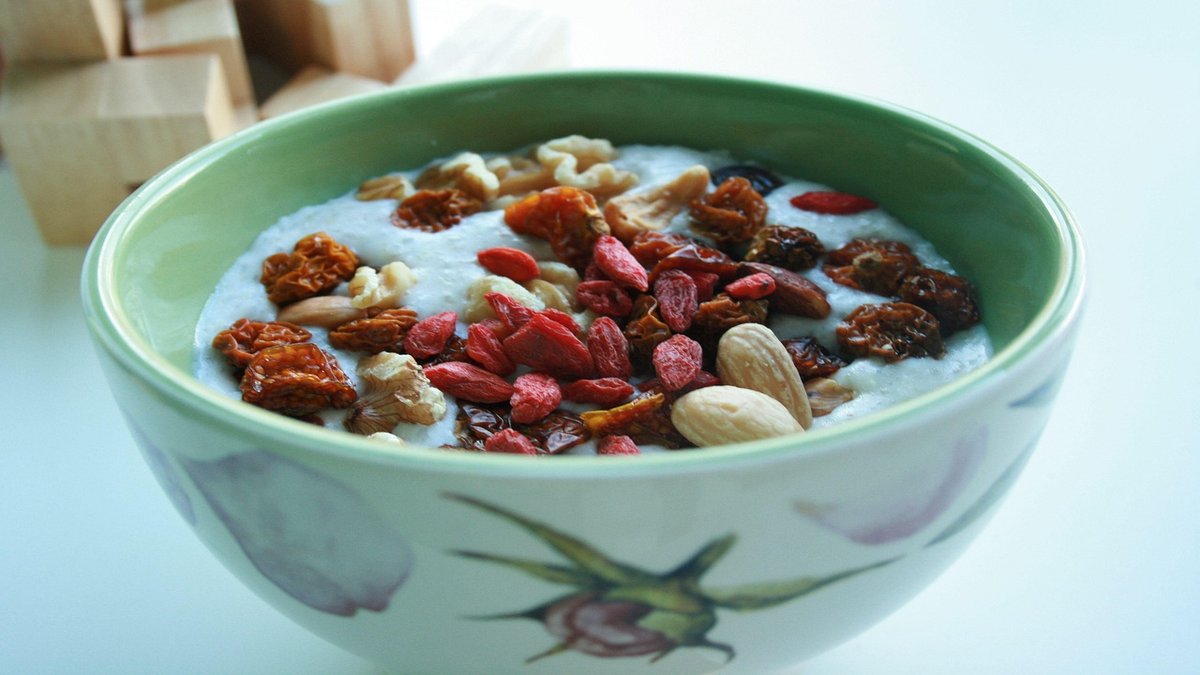
The 24 Solar Terms aren't just seasonal markers — they're a precision dietary guidance system. Each term lasts roughly 15 days and describes specific environmental conditions that affect the body.
Chinese food therapy texts assign recommended and contraindicated foods for each solar term. Using the Seasonal Planner gives you these recommendations in real time, adjusted for your body constitution.
Here's the full annual cycle at a glance:
| Solar Term | Approximate Date | Season | Dietary Focus |
|---|---|---|---|
| Lichun 立春 | Feb 4 | Spring | Transition from winter; add sprouts, greens |
| Yushui 雨水 | Feb 19 | Spring | Drain dampness; yam, barley |
| Jingzhe 惊蛰 | Mar 5 | Spring | Clear rising heat; pears |
| Chunfen 春分 | Mar 20 | Spring | Balance; neutral foods |
| Qingming 清明 | Apr 4 | Spring | Wild greens; mugwort |
| Guyu 谷雨 | Apr 20 | Spring | Light cooling; new tea |
| Lixia 立夏 | May 5 | Summer | Clear heart heat; eggs, bitter gourd |
| Xiaoman 小满 | May 21 | Summer | Drain dampness; barley, adzuki |
| Mangzhong 芒种 | Jun 5 | Summer | Light diet; mung beans |
| Xiazhi 夏至 | Jun 21 | Summer | Peak heat; watermelon, cold noodles |
| Xiaoshu 小暑 | Jul 7 | Summer | Avoid cold drinks; lotus |
| Dashu 大暑 | Jul 22 | Late Summer | Maximum heat/damp; duck, congee |
| Liqiu 立秋 | Aug 7 | Autumn | "Paste autumn fat"; meat, dumplings |
| Chushu 处暑 | Aug 23 | Autumn | Heat subsides; duck soup |
| Bailu 白露 | Sep 7 | Autumn | Moisten lungs; pear, honey |
| Qiufen 秋分 | Sep 23 | Autumn | Balance; tangyuan |
| Hanlu 寒露 | Oct 8 | Autumn | Warming begins; ginger |
| Shuangjiang 霜降 | Oct 23 | Autumn | Persimmon, chestnut, tonic start |
| Lidong 立冬 | Nov 7 | Winter | Dumplings; tonic season opens |
| Xiaoxue 小雪 | Nov 22 | Winter | Warm soups; preserved foods |
| Daxue 大雪 | Dec 7 | Winter | Heavy tonic; lamb, venison |
| Dongzhi 冬至 | Dec 22 | Winter | Solstice; peak tonic period |
| Xiaohan 小寒 | Jan 6 | Winter | Coldest period; maximum warming |
| Dahan 大寒 | Jan 20 | Winter | Taper tonics; prepare for spring |
How to Combine Seasonal Eating with Your Body Constitution
Seasonal eating provides the external framework. Body constitution provides the internal framework. You need both.
Example 1: You have a Yang Deficiency constitution and it's summer. The season says "clear heat, eat cooling foods." Your constitution says "eat warming foods." The resolution: eat neutral to mildly cooling foods in summer — tofu, fish, pork — but avoid the aggressively cold foods that summer usually recommends (watermelon, mung bean soup, raw cucumber). You're cooling relative to your winter diet, but not as aggressively as a Damp-Heat person would.
Example 2: You have a Damp-Heat constitution and it's winter. The season says "eat warming tonics." Your constitution says "avoid warming foods." The resolution: skip lamb and venison. Choose moderately warming foods instead — chicken, beef in small amounts, walnuts. Focus on drying dampness (barley, tangerine peel) even while adding winter warmth.
The Constitution Quiz combined with the Seasonal Planner gives you these layered recommendations automatically.
Modern Validation of Seasonal Eating Principles
Several aspects of TCM seasonal eating align with modern nutritional research:
- Winter vitamin D and calorie needs: Metabolic research confirms humans burn more calories in cold months. The TCM practice of winter tonic eating aligns with this increased caloric demand.
- Summer hydration: Watermelon's hydrating and cooling properties are well-documented. Its citrulline content supports cardiovascular function — relevant since TCM associates summer with the Heart.
- Seasonal produce nutrition: Studies consistently show that fruits and vegetables eaten in season have higher nutrient density than their out-of-season counterparts. A 2012 study found seasonal berries had up to 3x higher antioxidant levels compared to off-season imports.
- Gut microbiome seasonality: Research published in Cell (2017) documented that the human gut microbiome composition changes seasonally, suggesting the body has different digestive capacities at different times of year — aligning with TCM's seasonal digestive advice.
- Circadian and seasonal immune function: Immunological research shows immune function fluctuates seasonally, with upper respiratory vulnerability peaking in winter — matching TCM's emphasis on protective, Kidney-warming foods during cold months.
Frequently Asked Questions
What if I live in a tropical climate with no real winter?
TCM seasonal eating originated in the Yellow River basin of central China, which has four distinct seasons. For tropical climates, focus on the dampness cycle rather than the temperature cycle. Humid months call for Spleen-strengthening, dampness-draining foods (barley, adzuki beans, lotus seed). Dry months call for moistening foods (pear, tremella, honey). The organ clock still applies — just with less dramatic temperature-based adjustments.
Do I need to follow all 24 solar terms, or just the four seasons?
Start with the four seasons. That alone puts you ahead of most people. Once you're comfortable with seasonal eating principles, the solar terms add precision — particularly during transitions (the weeks around equinoxes and solstices), when the body is most vulnerable to illness. The Seasonal Planner handles the solar term calculations for you.
Can I still eat my favorite out-of-season foods?
TCM seasonal eating isn't about rigid rules. It's about emphasis and proportion. Eating some watermelon in winter won't cause disease. But making it a daily habit when your body needs warming foods will gradually weaken your Yang energy. Think of it as adjusting the ratio: 70-80% seasonal foods, with room for personal preference.
How does seasonal eating interact with modern refrigeration and global food supply?
TCM developed when people ate locally and seasonally by necessity. Modern food supply gives us year-round access to everything. The TCM position: just because you can eat strawberries in December doesn't mean your body is designed to process them optimally in winter. The body's internal climate still follows seasonal rhythms regardless of what's available at the grocery store.
Is "冬令进补" (winter tonic eating) still relevant for people with sedentary lifestyles?
Yes, but with modification. The principle applies — winter is when the body stores and consolidates most efficiently. But sedentary people need lighter tonics: chicken soup instead of lamb, walnut congee instead of venison stew. Overdoing winter tonics without physical activity creates dampness and stagnation. Match tonic intensity to activity level.
Related Reading
- The 9 TCM Body Constitutions: What Chinese Medicine Says About Your Diet
- Chinese Herbal Soups for Every Season
- Red Dates, Goji Berries, and Astragalus: China's Top 10 Medicinal Foods
— The Yao Shan Guide Team