Red Dates, Goji Berries, and Astragalus: China's Top 10 Medicinal Foods
This article is for educational purposes only and does not constitute medical advice. Consult a qualified TCM practitioner before making dietary changes based on traditional Chinese medicine principles.

Quick Answer
- China officially recognizes 110 "medicine-food homologous" (药食同源) ingredients in the National Health Commission's catalog — substances that function as both everyday food and traditional medicine
- Red dates (红枣), goji berries (枸杞), and astragalus (黄芪) form the "holy trinity" of Chinese medicinal foods, used daily by hundreds of millions of people in soups, teas, and congees
- The concept of 药食同源 (yào shí tóng yuán) — "medicine and food share the same origin" — dates back to China's earliest pharmacopoeia, the *Shennong Bencao Jing* (《神农本草经》), approximately 200 BCE
- Check any medicinal food's thermal nature, organ affinity, and best preparation methods using the [Ingredient Lookup](/tools/ingredient-lookup) tool
Photo by ivabalk on Pixabay
This article is for educational purposes only and does not constitute medical advice. Consult a qualified TCM practitioner before making dietary changes based on traditional Chinese medicine principles.
Medicine and Food Share the Same Origin: The Foundation of Chinese Medicinal Foods
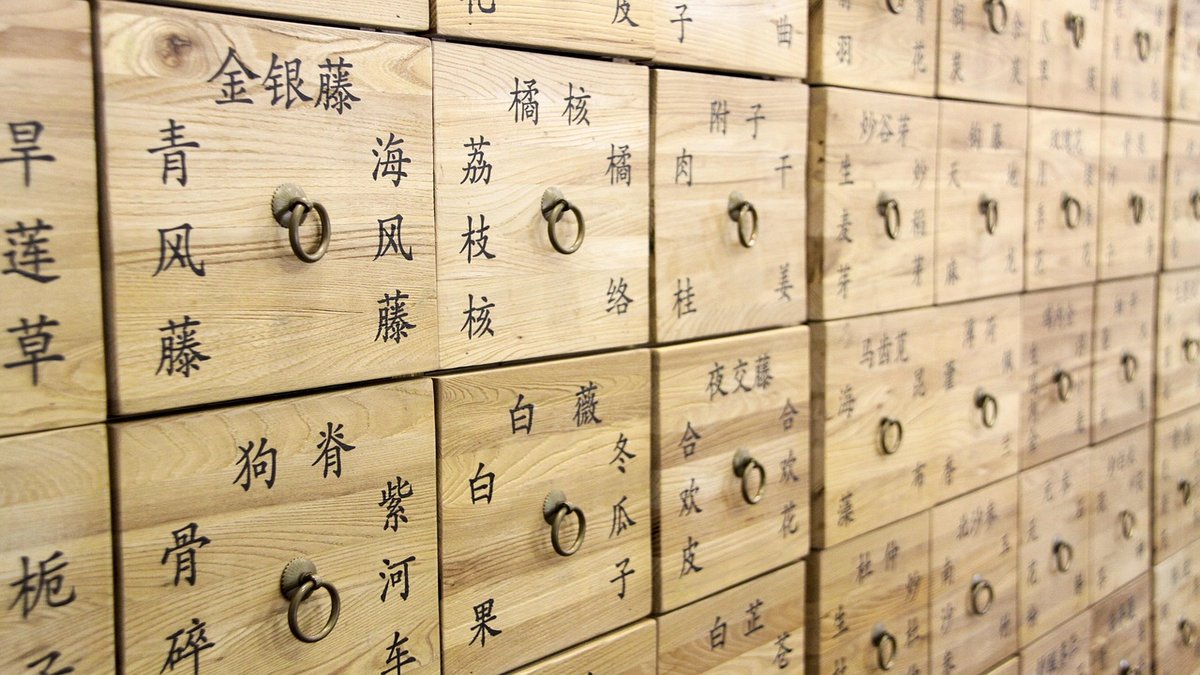
Every culture has folk remedies that blur the line between food and medicine. Chicken soup for colds. Ginger for nausea. Turmeric for inflammation. China took this concept and built an entire medical system around it.
The principle of 药食同源 (medicine and food share the same origin) is not a metaphor in Chinese medicine — it's a classification system. The National Health Commission of China (国家卫生健康委员会) maintains an official catalog of 110 substances that are legally recognized as both food and medicine. These aren't supplements in capsules. They're ingredients you find in any Chinese kitchen, wet market, or herbal pharmacy — and they've been used continuously for over 2,000 years.
The earliest systematic record appears in the Shennong Bencao Jing (《神农本草经》), China's founding pharmacopoeia from approximately 200 BCE. It classified 365 substances into three grades: upper grade (for nourishing life and safe for long-term use), middle grade (for tonifying and moderate use), and lower grade (for treating disease with caution). Most food-medicine substances fall in the upper grade — safe, nourishing, and meant for daily consumption.
The modern catalog was first published by China's Ministry of Health in 2002, updated significantly in 2014 and 2018, with the most recent revisions expanding the list further. This matters because it means these ingredients have survived both ancient clinical use and modern regulatory scrutiny.
Let's look at the top 10 — chosen for their ubiquity in Chinese food culture, depth of traditional evidence, emerging modern research, and practical usability in everyday cooking.
1. Red Dates (红枣 / Hóng Zǎo) — The "King of Fruits" in Chinese Medicine
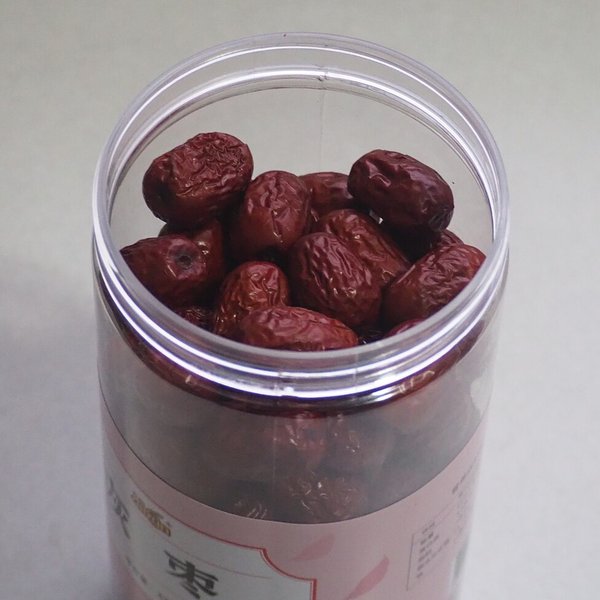 Image: Photo by David J. Stang via Wikimedia Commons (CC BY-SA 4.0)

TCM Properties
- Thermal nature: Warm
- Flavor: Sweet
- Organ affinity: Spleen, Stomach, Heart
- Primary functions: Tonifies Qi, nourishes Blood, calms the spirit (安神)
Why It Matters
Red dates — specifically Chinese jujubes (Ziziphus jujuba) — may be the single most consumed medicinal food in China. An estimated 8 million tonnes of jujubes are produced annually in China, making it the world's largest jujube producer by a massive margin. The fruit appears in virtually every category of Chinese food therapy: soups, teas, congees, desserts, stir-fries, and stuffed into traditional medicines.
The Shennong Bencao Jing rated red dates as an upper-grade substance, noting: "It tonifies the middle Qi, nourishes the Spleen, and harmonizes all other medicines." That last function — harmonizing — is why red dates appear in so many TCM formulas. They moderate the effects of other herbs and protect the Stomach from harsh ingredients.
Modern Research Highlights
- Contains cyclic AMP (cAMP), a compound that regulates cellular metabolism — red dates are one of the richest food sources of naturally occurring cAMP
- Rich in vitamin C — fresh jujubes contain roughly 200-500 mg per 100g, making them one of the highest vitamin C foods in the plant kingdom
- Studies from Chinese agricultural universities have identified over 30 flavonoid compounds in red dates with antioxidant properties
- Animal studies show jujube extract supports liver function and may protect against chemical-induced liver damage
How to Use
- Daily tea: 3-5 red dates (pitted) + boiling water, steeped 15 minutes
- In soups: Add 5-8 dates to any chicken or pork bone soup during the last hour
- Classic combo: Red dates + goji berries + astragalus tea — the "big three" daily tonic
- Dessert: Steamed red dates stuffed with glutinous rice (心太软)
Who Should Be Cautious
People with Phlegm-Damp or Damp-Heat constitutions should limit red dates. Their sweet, warm nature can generate dampness and internal heat. If your tongue coating is thick and yellow or you have abdominal bloating, moderate your intake. Use the Constitution Quiz to check your type.
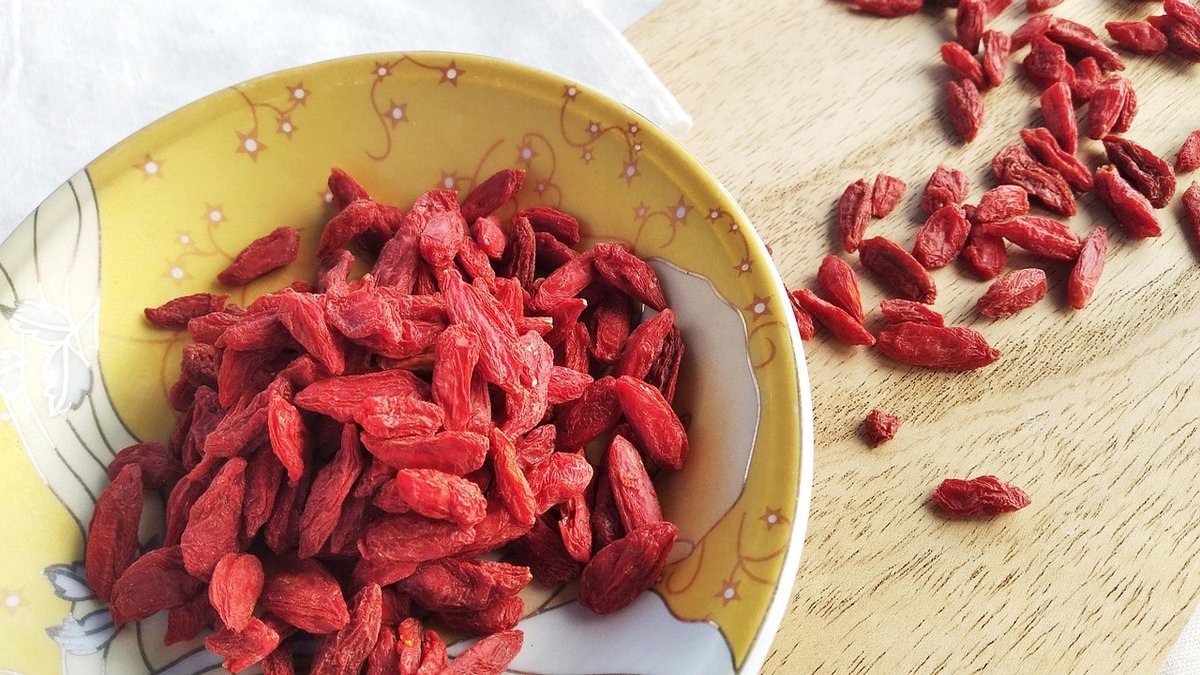
2. Goji Berries (枸杞 / Gǒu Qǐ) — The Eye-Brightening Berry
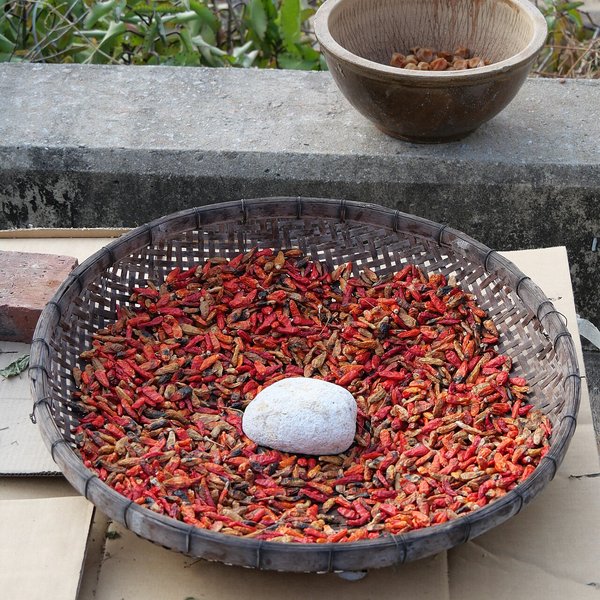 Image: Peachyeung316 via Wikimedia Commons (CC BY-SA 4.0)

TCM Properties
- Thermal nature: Neutral (leaning slightly warm)
- Flavor: Sweet
- Organ affinity: Liver, Kidney, Lung
- Primary functions: Nourishes Liver and Kidney Yin, brightens the eyes (明目), tonifies Jing (essence)
Why It Matters
Goji berries (Lycium barbarum) have become a global "superfood," but in China they've been a daily staple for centuries. The best quality comes from Ningxia province, where the soil conditions and arid climate produce berries with the highest concentration of active compounds. Ningxia goji berries have Protected Geographical Indication status, and the region produces over 50,000 tonnes annually.
The name 枸杞 first appears in the Shennong Bencao Jing, where it's classified as an upper-grade herb for nourishing life. TCM physicians have prescribed it for vision problems, fatigue, and aging for over 2,000 years. The phrase "保温杯里泡枸杞" (goji berries in a thermos) became a viral internet meme in China around 2017, symbolizing the millennial generation's embrace of traditional health practices.
Modern Research Highlights
- Contains zeaxanthin and lutein — carotenoids specifically linked to macular health. A 2011 study found that daily goji consumption increased plasma zeaxanthin by 26% in healthy elderly adults
- Rich in Lycium barbarum polysaccharides (LBP), which have been extensively studied for immunomodulatory, neuroprotective, and anti-aging properties in over 200 published studies from Chinese research institutions
- Contains all 8 essential amino acids — unusual for a fruit
- A 2019 randomized controlled trial at UC Davis found that eating 28g of goji berries daily for 90 days increased macular pigment optical density in healthy middle-aged adults
How to Use
- Daily snack: Eat 15-20 dried berries straight, like raisins
- In soups: Add a handful 10 minutes before soup is done — they become plump and sweet
- Tea: 10-15 berries + chrysanthemum flowers + hot water — the classic "clear Liver, brighten eyes" tea (菊杞茶)
- Congee: Add to any rice porridge in the last 5 minutes of cooking
- Wine: Goji berry medicinal wine (枸杞酒) — steeped in baijiu for 30+ days
Who Should Be Cautious
Those with Damp-Heat constitutions or active inflammatory conditions should moderate intake. If you're currently experiencing diarrhea or flu-like symptoms, skip goji berries until you've recovered — they're tonifying, and tonification during acute illness can trap pathogens.
3. Astragalus (黄芪 / Huáng Qí) — The Qi Fortress
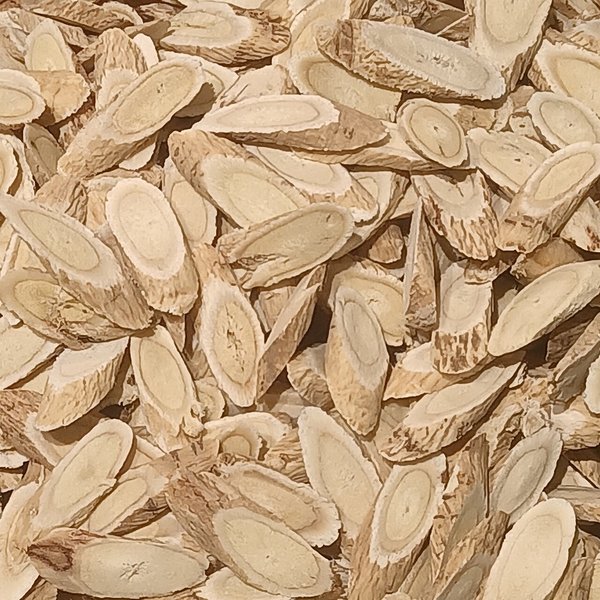 Image: Fumikas Sagisavas via Wikimedia Commons (CC0)

TCM Properties
- Thermal nature: Slightly warm
- Flavor: Sweet
- Organ affinity: Spleen, Lung
- Primary functions: Tonifies Qi, raises Yang, strengthens the exterior (固表), promotes fluid metabolism
Why It Matters
If red dates are the everyday staple and goji berries are the versatile all-rounder, astragalus is the heavy lifter. It's the primary Qi-tonifying herb in TCM, prescribed more frequently than ginseng for daily constitution building because it's gentler and safer for long-term use.
The standard ratio — 黄芪10克, 枸杞10克, 红枣3-5颗, water 800-1000ml — is the most commonly recommended daily tonic tea across Chinese health platforms. Boil for 20-30 minutes, drink throughout the day. This simple formula addresses Qi deficiency, low immunity, and general fatigue.
Astragalus is the root of Astragalus membranaceus and has been used in TCM for over 2,000 years. Annual production in China exceeds 100,000 tonnes. Shanxi, Gansu, and Inner Mongolia provinces produce the highest-grade roots.
Modern Research Highlights
- Contains astragaloside IV, a saponin extensively studied for cardioprotective, anti-inflammatory, and immunomodulatory properties
- Contains cycloastragenol, which activates telomerase — an enzyme associated with cellular longevity. This discovery led to the development of TA-65, a commercial supplement extracted from astragalus
- A meta-analysis of 34 randomized controlled trials published in Chinese medical journals found that astragalus-based formulas significantly improved immune markers in patients with weakened immunity
- Studies show it enhances macrophage activity, natural killer cell function, and antibody production
How to Use
- Daily tea: 10-15g dried astragalus slices + 800ml boiling water, simmer 20-30 minutes
- Triple tonic tea: Astragalus 10g + goji 10g + red dates 5 pieces — the foundational daily drink
- Chicken soup: Add 30g astragalus to any chicken soup — the most common way astragalus enters the kitchen
- Congee: Cook 15g astragalus in water first, strain, use the liquid to cook rice porridge
Who Should Be Cautious
Avoid during acute infections (colds, flu) — astragalus "closes the exterior," which can trap pathogens inside. People with Yin Deficiency with heat signs (night sweats, hot flashes) should use cautiously or combine with Yin-nourishing herbs. Hypertension patients should consult a practitioner before regular use.
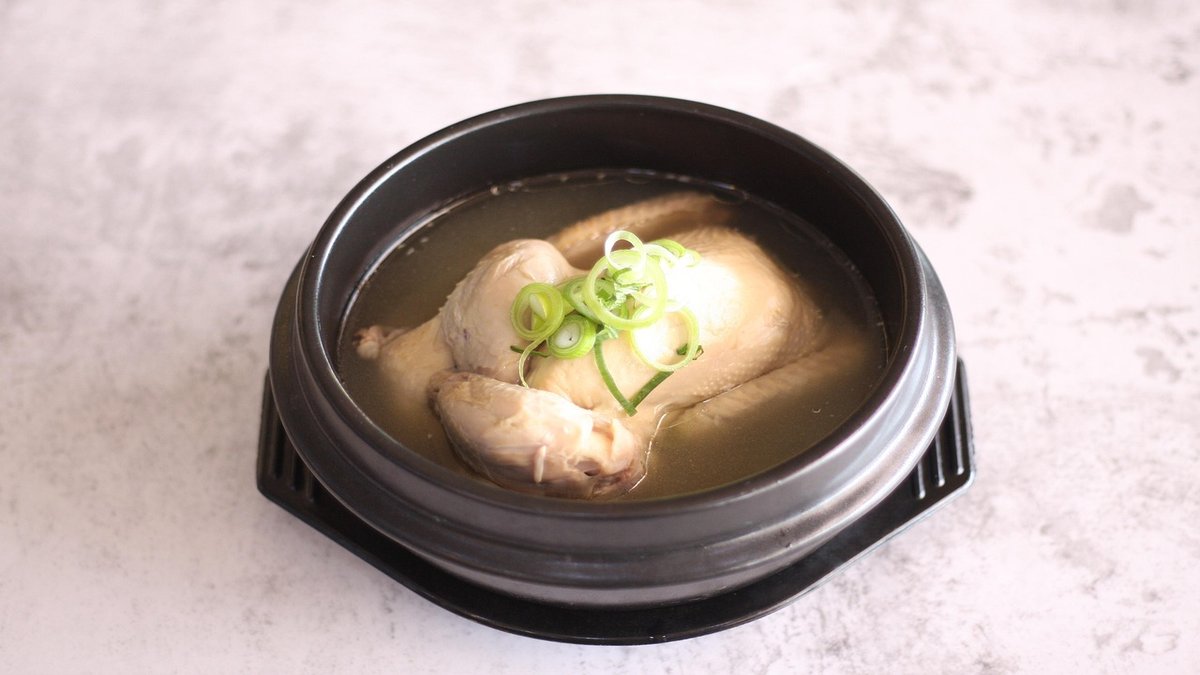
4. Chinese Yam (山药 / Shān Yào) — The Spleen's Best Friend
TCM Properties
- Thermal nature: Neutral
- Flavor: Sweet
- Organ affinity: Spleen, Lung, Kidney
- Primary functions: Tonifies Qi, nourishes Yin, strengthens the Spleen, stabilizes the Kidney
Why It Matters
Chinese yam (Dioscorea opposita) is one of TCM's most versatile food medicines because of its neutral temperature — it can be used by virtually any constitution type without risk of creating imbalance. It simultaneously tonifies Qi (through the Spleen), nourishes Yin (through the Kidney), and moistens (through the Lung). Few single foods do all three.
The highest grade comes from Henan province — specifically the "iron rod yam" (铁棍山药) from Jiaozuo, one of China's "Four Great Huai Medicines" (四大怀药: 怀山药, 怀地黄, 怀牛膝, 怀菊花). This designation has existed since at least the Tang Dynasty.
Modern Research Highlights
- Contains diosgenin, a steroidal sapogenin used as a precursor in pharmaceutical synthesis of steroid hormones
- Rich in mucilage polysaccharides that coat and protect the GI tract — supporting its traditional use for digestive complaints
- Contains allantoin, studied for wound-healing and anti-inflammatory properties
- Annual production in China exceeds 5 million tonnes, making it one of the most widely cultivated medicinal food crops
How to Use
- Steamed: Peel, slice, and steam 20 minutes. Eat plain or with a drizzle of honey — the simplest preparation
- In soups: Chunks of yam in pork rib, chicken, or duck soup — add for the last 40 minutes
- Stir-fried: Sliced yam with wood ear mushroom and celery — a classic Shandong dish
- Congee: Diced yam cooked into rice porridge with goji berries and lotus seed — the foundational Spleen-tonifying breakfast
Who Should Be Cautious
Very few contraindications. Those with severe constipation from excess heat should limit intake, as yam's binding properties can worsen the condition. Men with hormone-sensitive conditions should consult a practitioner due to the diosgenin content.
5. Lotus Seed (莲子 / Lián Zǐ) — Heart Calmer, Spleen Strengthener
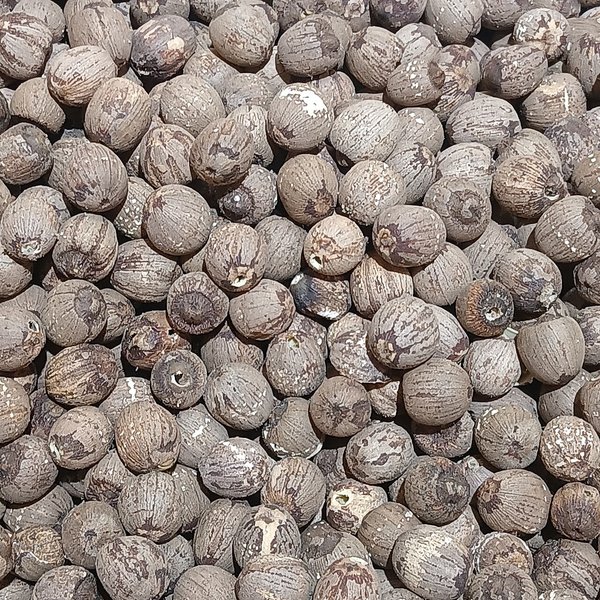 Image: Fumikas Sagisavas via Wikimedia Commons (CC0)
.jpg)
TCM Properties
- Thermal nature: Neutral
- Flavor: Sweet, slightly astringent
- Organ affinity: Heart, Spleen, Kidney
- Primary functions: Calms the spirit (安神), strengthens the Spleen, stops diarrhea, stabilizes Kidney essence
Why It Matters
Lotus seeds come from the same plant that produces lotus root, lotus leaves, and lotus plumule (莲子心) — each part with distinct medicinal properties. The seeds are neutral in temperature, making them safe for all constitution types, and they bridge three organ systems simultaneously.
The lotus is deeply embedded in Chinese culture — Buddhist symbolism aside, it's one of the most practical multi-purpose medicinal plants in the TCM pharmacopoeia. China cultivates lotus across 600,000+ hectares, with Hubei, Hunan, Jiangxi, and Fujian as primary production regions.
Modern Research Highlights
- Contains neferine and liensinine, bisbenzylisoquinoline alkaloids found specifically in lotus, studied for anti-arrhythmic and sedative properties
- The lotus plumule (green embryo inside the seed) is intensely bitter and has documented blood pressure-lowering effects in animal studies
- High in resistant starch, which benefits the gut microbiome and blood sugar regulation
- Clinical studies from Fujian University of Traditional Chinese Medicine showed lotus seed-based formulas improved sleep quality scores by 28% in participants with insomnia
How to Use
- Sweet soup: Lotus seed + lily bulb + red dates + rock sugar — the classic calming dessert
- Congee: An essential ingredient in Eight Treasures Congee (八宝粥) alongside red dates, goji, barley, and other medicinal foods
- Savory soups: Added to pork rib, duck, or chicken soups
- For insomnia: Eat lotus seeds with the plumule (莲子心) intact — the bitter core has stronger calming effects
6. Job's Tears Barley (薏苡仁 / Yì Yǐ Rén) — The Dampness Drainer
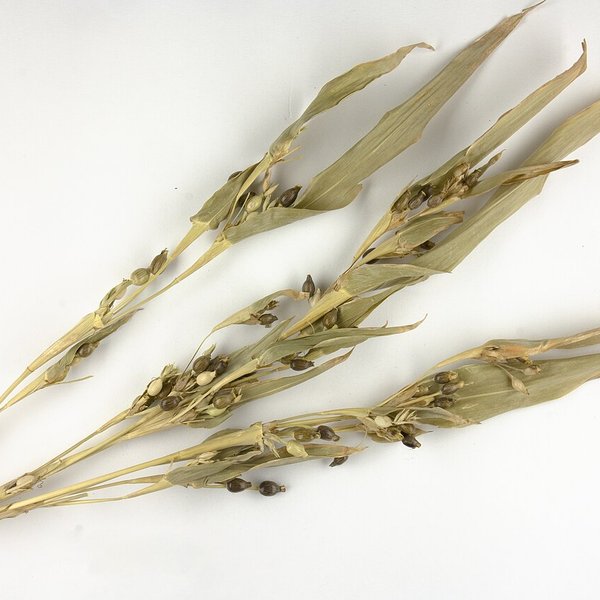 Image: Roger Culos via Wikimedia Commons (CC BY-SA 4.0)

TCM Properties
- Thermal nature: Cool
- Flavor: Sweet, bland
- Organ affinity: Spleen, Stomach, Lung
- Primary functions: Drains dampness, strengthens the Spleen, clears heat, expels pus
Why It Matters
In a country where humidity and dampness-related conditions affect a huge percentage of the population — particularly in southern and central China — Job's tears (Coix lacryma-jobi) is indispensable. It's the first-line dietary recommendation for anyone with a Phlegm-Damp constitution, which now affects roughly 12.37% of the population and is growing.
The famous 薏米赤小豆汤 (Job's tears and adzuki bean soup) is arguably the most widely recommended therapeutic food recipe in modern Chinese wellness culture.
Modern Research Highlights
- Contains coixenolide, a compound studied for anti-tumor properties — Kanglaite injection, derived from Job's tears oil, is approved in China as an adjunct cancer therapy
- Rich in protein compared to other grains — approximately 12-14g per 100g dry weight
- Studies show anti-inflammatory effects comparable to mild NSAIDs in animal models
- Prebiotic fiber content supports beneficial gut bacteria growth
How to Use
- Classic dampness-draining soup: Job's tears 50g + adzuki beans 50g, soaked overnight, boiled 1.5 hours
- Congee: Add 30g Job's tears to rice porridge for daily Spleen support
- Powder: Dry-roasted and ground into powder, mixed with warm water as a daily drink — especially popular in summer
- With pork rib soup: Job's tears + winter melon + pork ribs — a Cantonese staple for summer dampness
Who Should Be Cautious
Pregnant women should avoid large amounts — Job's tears has been traditionally considered to promote uterine contractions. People with constipation from Yin Deficiency should use cautiously, as its draining nature can worsen dryness.
7. Tremella Mushroom (银耳 / Yín Ěr) — The "Poor Person's Bird's Nest"
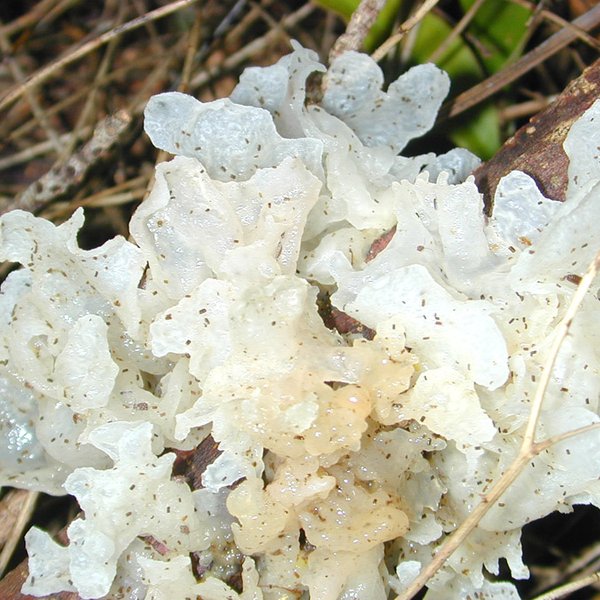 Image: Eric Guinther via Wikimedia Commons (CC BY-SA 3.0)

TCM Properties
- Thermal nature: Neutral
- Flavor: Sweet, bland
- Organ affinity: Lung, Stomach, Kidney
- Primary functions: Moistens the Lungs, nourishes Yin, generates fluids, enhances skin
Why It Matters
Tremella (Tremella fuciformis) is called "the poor person's bird's nest" (穷人的燕窝) because it delivers similar moistening and beautifying benefits at a fraction of the cost. Genuine bird's nest can cost $1,000-3,000 per kilogram. Dried tremella costs roughly $10-30 per kilogram and contains comparable polysaccharide profiles.
It's the go-to ingredient for Yin nourishment and skin hydration in Chinese food therapy. The polysaccharides in tremella are now a star ingredient in the Chinese skincare industry as well — showing up in serums and masks.
Modern Research Highlights
- Tremella polysaccharides demonstrate water-holding capacity superior to hyaluronic acid in some laboratory tests — supporting its traditional skin-beautifying reputation
- Immunomodulatory properties documented in over 50 published studies, primarily from Chinese universities
- Contains vitamin D precursors — one of the few non-animal food sources
- Prebiotic effects support gut health and immune function
How to Use
- Classic sweet soup: Tremella + goji + lotus seed + red dates + rock sugar, simmered 1.5-2 hours until silky and gelatinous
- With pear: Tremella + Asian pear + rock sugar — the quintessential autumn Lung-moistening dessert
- Savory option: Add to chicken soup in the last 30 minutes for a moistening, textural element
- Breakfast: Tremella congee with lily bulb and wolfberry — a beauty-focused morning routine
8. Poria (茯苓 / Fú Líng) — The Silent Dampness Fighter
TCM Properties
- Thermal nature: Neutral
- Flavor: Sweet, bland
- Organ affinity: Heart, Spleen, Kidney
- Primary functions: Drains dampness, strengthens the Spleen, calms the spirit
Why It Matters
Poria (Wolfiporia extensa) is unique among medicinal foods because it tastes like almost nothing. It's bland, odorless, and textureless when cooked properly — yet it appears in approximately 70% of all classical TCM herbal formulas. No other single ingredient is used this frequently.
It grows as a fungal sclerotium underground, typically attached to pine tree roots. The major production regions are Yunnan, Hubei, and Anhui provinces.
Modern Research Highlights
- Contains pachymic acid and tumulosic acid, triterpenoids with demonstrated anti-inflammatory and diuretic properties
- Studies show it modulates the aquaporin system — the body's cellular water channels — which aligns with its traditional dampness-draining function
- Immunomodulatory polysaccharides have been studied in cancer research as adjunct therapies
- Generally recognized as one of the safest substances in TCM, with virtually no reported toxicity even at high doses
How to Use
- Poria cake (茯苓饼): A famous Beijing snack — thin wafers filled with poria-infused paste. Sold at traditional snack shops and as Forbidden City souvenirs
- Congee: Poria powder (10g) cooked into rice porridge — no flavor impact but adds dampness-draining benefits
- Soup addition: Add poria slices to any dampness-clearing soup
- Four Gentlemen Congee (四君子粥): Poria + white atractylodes + ginseng + licorice + rice — the foundational Spleen-tonifying formula, adapted as a food
9. Chrysanthemum (菊花 / Jú Huā) — The Liver-Cooling Flower
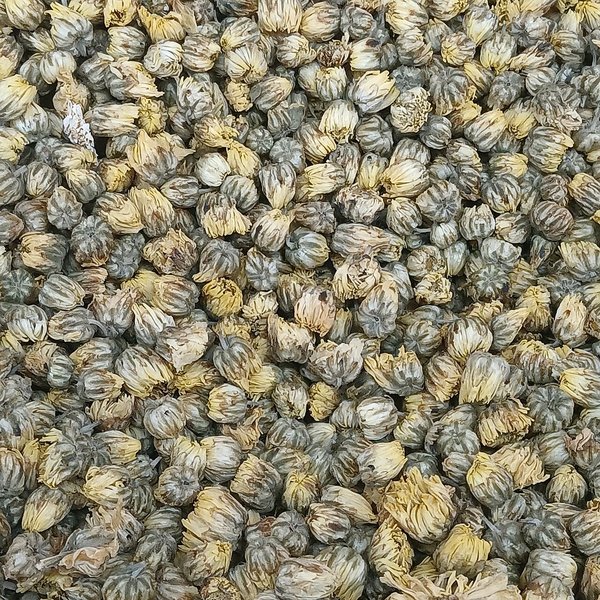 Image: Fumikas Sagisavas via Wikimedia Commons (CC0)
.jpg)
TCM Properties
- Thermal nature: Slightly cool
- Flavor: Sweet, bitter
- Organ affinity: Liver, Lung
- Primary functions: Clears Liver heat, brightens the eyes, clears wind-heat
Why It Matters
Chrysanthemum tea is possibly the most consumed herbal tea in China — served in restaurants, offices, hospitals, and homes nationwide. It became part of Chinese food culture during the Song Dynasty (960-1279 CE), when chrysanthemum appreciation festivals (赏菊) combined aesthetic enjoyment with medicinal tea drinking.
The most prized variety for tea is Hangbaiju (杭白菊) from Tongxiang, Zhejiang province. For stronger medicinal use, Chuju (滁菊) from Anhui is preferred. Annual chrysanthemum production for tea and medicine exceeds 50,000 tonnes in China.
Modern Research Highlights
- Rich in luteolin and apigenin, flavonoids with documented anti-inflammatory and antioxidant properties
- Studies from Zhejiang University found chrysanthemum extract reduced intraocular pressure markers — potentially relevant for eye health
- Contains chlorogenic acid, the same compound in coffee that contributes to antioxidant effects
- A 2020 systematic review identified anti-hypertensive, hepatoprotective, and neuroprotective properties across multiple studies
How to Use
- Simple tea: 5-8 dried flowers + boiling water. Steep 5 minutes. Refill with hot water 2-3 times
- With goji berries: The classic 菊杞茶 — chrysanthemum clears Liver heat while goji nourishes Liver Yin. The most balanced everyday eye-health tea
- Summer cold drink: Brew concentrated chrysanthemum tea, cool, add honey
- Wine: Chrysanthemum wine (菊花酒), traditionally consumed during the Double Ninth Festival (重阳节, 9th day of 9th lunar month)
10. Hawthorn Berry (山楂 / Shān Zhā) — The Digestive Powerhouse
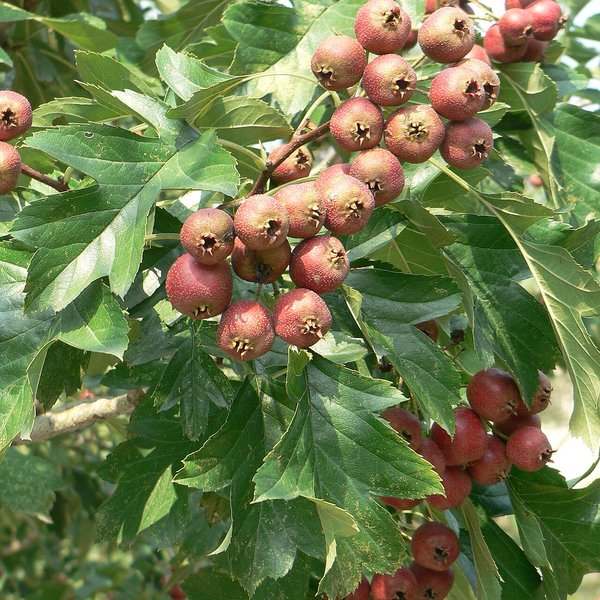 Image: Yongxinge via Wikimedia Commons (CC BY-SA 3.0)

TCM Properties
- Thermal nature: Slightly warm
- Flavor: Sour, sweet
- Organ affinity: Spleen, Stomach, Liver
- Primary functions: Promotes digestion (消食化积), activates Blood circulation, reduces lipids
Why It Matters
Hawthorn is the go-to food for digestive stagnation in Chinese food therapy — when you've overeaten, when meat sits heavy in the stomach, when food seems to just sit there. Chinese children know hawthorn primarily as 糖葫芦 (tanghulu) — candied hawthorn on a stick, one of China's most iconic street snacks.
But beyond the snack aisle, hawthorn has serious medicinal credentials. It's the only food on this list that's equally valued for digestive support and cardiovascular health.
Modern Research Highlights
- Contains vitexin and hyperoside, flavonoids with documented cardioprotective effects — European phytomedicine has adopted hawthorn extract for heart failure support
- Clinical trials in China have shown hawthorn-based preparations reduce LDL cholesterol and triglycerides by 10-15% in hyperlipidemia patients
- Digestive studies confirm hawthorn increases gastric enzyme secretion — directly validating the traditional use for food stagnation
- The cardiovascular research on hawthorn is substantial enough that it's included in the European Pharmacopoeia and the German Commission E monographs
How to Use
- Digestive tea: 15-20g dried hawthorn slices + boiling water + brown sugar — drink after heavy meals
- Hawthorn and brown sugar drink (山楂红糖饮): For Blood stasis and menstrual discomfort — see our herbal soup recipes for the full method
- Hawthorn cake (山楂糕): A traditional confection that doubles as a digestive aid
- In meat dishes: Add hawthorn slices when braising tough meats — the acids tenderize while aiding digestion
How to Build a Medicinal Foods Pantry
You don't need all 10 to start. Here's a practical three-tier approach:
Tier 1 — Start here (the daily basics):
- Red dates (红枣)
- Goji berries (枸杞)
- Chinese yam (山药, fresh or dried)
These three are safe for almost all constitution types, require zero skill to use (just add to hot water, soups, or congee), and provide Qi, Blood, and Yin nourishment.
Tier 2 — Add based on your constitution:
- Qi Deficiency → add astragalus (黄芪)
- Phlegm-Damp → add Job's tears (薏苡仁)
- Yin Deficiency → add tremella mushroom (银耳)
- Blood Stasis → add hawthorn (山楂)
Take the Constitution Quiz to determine which Tier 2 additions suit you.
Tier 3 — Seasonal rotation:
- Spring/Summer → chrysanthemum (菊花), lotus seed (莲子)
- Autumn/Winter → poria (茯苓), extra astragalus and dates
Use the Seasonal Planner for specific timing.
Sourcing and Quality: What to Look For
Chinese medicinal foods vary enormously in quality. A few guidelines:
- Origin matters. Ningxia goji berries, Jiaozuo yam, Tongxiang chrysanthemum, Wenshan dried mushrooms — specific regions produce superior quality for specific ingredients. Look for origin labeling.
- Color tells a story. Unnaturally bright red goji berries may be sulfur-fumigated. Natural goji is a deep, slightly dull red-orange. Tremella should be pale yellow, not snow white (bleached). Astragalus should be golden, not gray.
- Smell matters. Quality red dates smell sweet and fruity. Quality astragalus smells slightly sweet and earthy. Any chemical or musty smell indicates poor storage or adulteration.
- Buy from reputable sources. Chinese herbal pharmacies (中药房) with licensed pharmacists are more reliable than random online vendors. Many pharmacies in Chinatowns worldwide maintain high sourcing standards.
Frequently Asked Questions
Can I take these medicinal foods alongside Western medications?
Most of these foods are safe alongside conventional medicine, but some interactions exist. Astragalus may affect immunosuppressant medications. Hawthorn can interact with blood thinners and cardiac medications. Goji berries may potentiate the effects of blood pressure drugs. Always inform your doctor about regular herbal food consumption, particularly if you take prescription medications.
How much should I consume daily?
TCM doses for food therapy are typically: red dates 3-5 pieces, goji berries 10-15g, astragalus 10-15g (as tea), Chinese yam 100-200g (fresh), lotus seed 15-30g, Job's tears 30-50g. These are food-grade amounts — lower than medicinal prescriptions. More isn't better. Consistency over weeks matters more than large single doses.
Are there people who should avoid all medicinal foods?
During acute illness (fever, active infection, severe diarrhea), TCM generally advises avoiding tonic foods — they can trap pathogens. Post-surgery patients should consult their surgeon before adding Blood-moving foods like hawthorn. Pregnant women should avoid Job's tears in large quantities and consult before using astragalus regularly.
What's the difference between food-grade and medicine-grade herbs?
Some items on this list (astragalus, poria) exist as both food-grade and medicine-grade products. Food-grade is lighter processing, lower concentration, meant for daily use in cooking. Medicine-grade is more carefully graded, higher potency, and prescribed by TCM practitioners in specific formulas. For daily food therapy, food-grade is appropriate and sufficient.
Can children eat these medicinal foods?
Most can be introduced gradually after age 3 in small amounts. Red dates, goji berries, Chinese yam, and lotus seed are the most child-friendly. Astragalus and Job's tears should be used more sparingly in children. Avoid medicinal wines entirely for children. Start with Tier 1 foods in congee or soup form.
Related Reading
- The 9 TCM Body Constitutions: What Chinese Medicine Says About Your Diet
- Chinese Herbal Soups for Every Season
- Food Therapy for Fatigue: What Chinese Medicine Recommends
— The Yao Shan Guide Team