Chinese Herbal Soups for Every Season: Recipes from Chinese Sources
This article is for educational purposes only and does not constitute medical advice. Consult a qualified TCM practitioner before making dietary changes based on traditional Chinese medicine principles.

Quick Answer
- Herbal soups (药膳汤) are the cornerstone of Chinese food therapy — combining medicinal ingredients with everyday proteins and vegetables in slow-simmered preparations refined over thousands of years
- Each season demands different soups: liver-soothing broths in spring, heat-clearing soups in summer, lung-moistening stews in autumn, and warming kidney-tonifying soups in winter
- Cantonese slow-fire soup tradition (老火汤) is the most sophisticated herbal soup culture in China, with Guangdong households averaging 3-5 different soups per week according to regional dietary surveys
- Use the [Seasonal Planner](/tools/seasonal-planner) to see which soup recipes match the current solar term and your body constitution
Photo by lpegasu on Pixabay
This article is for educational purposes only and does not constitute medical advice. Consult a qualified TCM practitioner before making dietary changes based on traditional Chinese medicine principles.
Why Soup Is the Primary Vehicle for Chinese Food Therapy
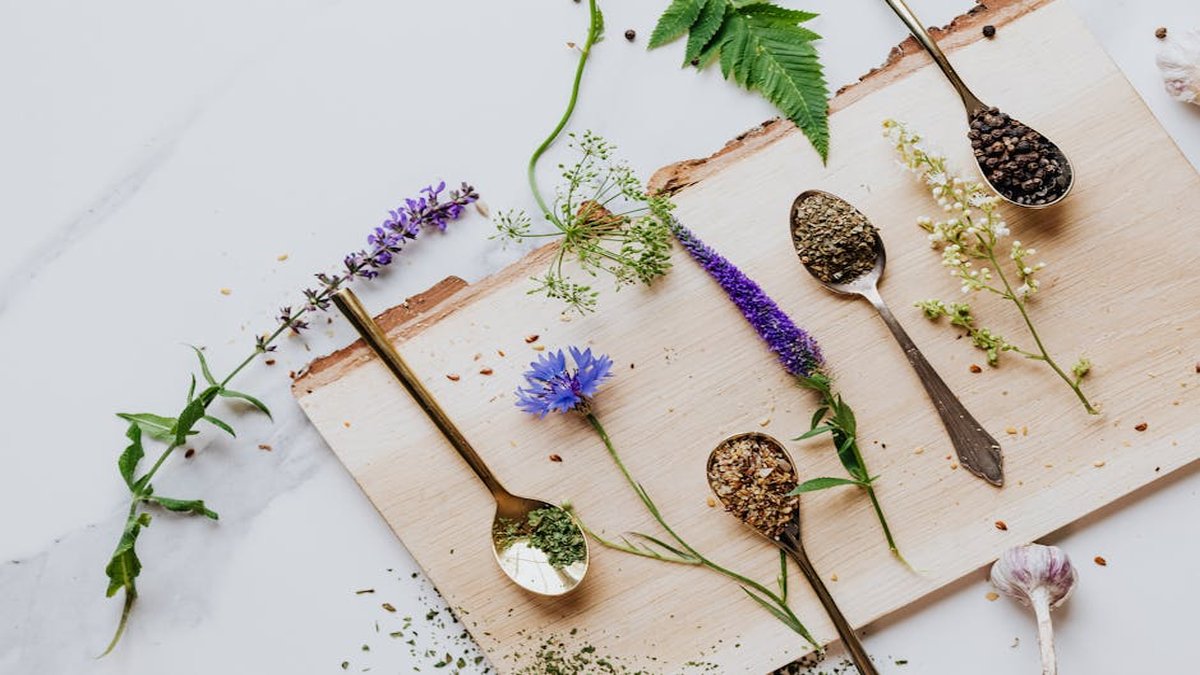
In Western nutrition, supplements come in capsules. In Chinese food therapy, supplements come in soup bowls.
This isn't cultural preference — there's a specific medical reasoning behind it. TCM considers the Spleen and Stomach the "acquired foundation" (后天之本) of health. Everything you eat must be transformed by the Spleen-Stomach system before it becomes usable Qi and Blood. Warm, slow-cooked liquids require the least digestive effort, meaning the body extracts maximum benefit with minimum strain.
The Huangdi Neijing (《黄帝内经》) states it plainly: "浆粥入胃,泄注止,则虚者活" — when warm congee and broth enter the stomach, diarrhea stops and the depleted recover. This 2,000-year-old principle still guides Chinese food therapy practice.
Herbal soups fall into a distinct category between ordinary cooking and formal herbal medicine. They use 药膳 (medicinal cuisine) principles: ingredients chosen not just for flavor but for their therapeutic properties, combined in ratios that create synergistic effects. A good medicinal soup isn't random — it follows formulation logic similar to herbal prescriptions, with a lead ingredient (君), supporting ingredients (臣), assistants (佐), and harmonizers (使).
Cantonese soup culture takes this to its highest expression. In Guangdong province, soup isn't a side dish — it's medicine. Research from the Guangdong Provincial Hospital of Chinese Medicine found that families who maintained regular soup-drinking habits had 22% fewer hospital visits for seasonal illness compared to those who didn't. The tradition is so ingrained that "靓汤" (beautiful soup) is a source of household pride, passed from mothers to daughters across generations.
Essential Equipment and Techniques
Choosing Your Pot
- Clay pot (砂锅): The gold standard. Distributes heat evenly, retains warmth, and doesn't react with medicinal ingredients. A good Yixing clay pot will last decades.
- Ceramic double-boiler (炖盅): Used for "隔水炖" (double-boiling) — the pot sits in water and heats indirectly. Produces the clearest, most concentrated broth. Essential for delicate soups.
- Stainless steel pot: Acceptable alternative. Avoid aluminum (reacts with acidic herbal ingredients) and cast iron (can alter the properties of certain herbs).
The Two Main Cooking Methods
Old fire soup (老火汤): Direct simmering for 2-4 hours over low flame. The most common Cantonese method. Produces rich, deeply flavored broth with fully extracted medicinal compounds.
Double-boiled soup (炖汤): Ingredients sealed in a ceramic pot, placed inside a larger pot of simmering water for 2-4 hours. Produces clearer broth with more delicate flavors. Better for tonic soups where you want pure extraction without oil.
Universal Technique
- Blanch meats first (飞水/焯水): Bring water to boil, add meat pieces for 2-3 minutes, drain and rinse. This removes blood, impurities, and the "gamey" taste. Non-negotiable step.
- Cold water start for bones, hot water start for meat: Bone soups begin in cold water to extract collagen and minerals gradually. Meat soups can start with hot water to seal in flavor.
- Bring to rolling boil, then reduce to lowest simmer. The Chinese rule: "大火烧开,小火慢炖" — high fire to open, low fire to build.
- Add herbs at different times. Dense roots (astragalus, yam) go in at the start. Aromatic herbs (tangerine peel, mint) go in during the last 30-60 minutes. Delicate items (goji berries, tremella) go in during the last 10-15 minutes.
- Salt goes in last. Adding salt too early draws moisture from ingredients and toughens meat. Season only at the end, using minimal salt — medicinal soups should taste of their ingredients, not of salt.
Spring Soups (春季汤品): Liver Soothing, Yang Supporting
Spring corresponds to the Liver in TCM's Five Element system. The dietary principle is to support the Liver's smooth flow of Qi while nurturing the body's rising Yang energy. Spring soups tend to be lighter, greener, and less heavy than winter soups.
1. Chicken and Chinese Chive Soup (鸡肉韭菜汤)
Purpose: Warms Kidney Yang, assists spring's rising Qi, supports digestion
Ingredients:
- Free-range chicken thigh meat, 300g
- Chinese chives (韭菜), 150g, cut into 3cm sections
- Ginger, 3 slices
- Goji berries, 10g
- Salt to taste
- Water, 1.5L
Method:
- Blanch chicken pieces, drain and rinse
- Place chicken and ginger in clay pot with 1.5L cold water
- Bring to boil, reduce to low simmer for 1 hour
- Add chives and goji berries, simmer 10 more minutes
- Season with salt
TCM rationale: Chinese chives are called the "herb of spring" in TCM, with warming properties that support Kidney Yang — the energy source that powers spring's upward, outward movement. The chicken tonifies Qi without being overly heavy.
2. Pork Liver and Goji Berry Soup (枸杞猪肝汤)
Purpose: Nourishes Liver Blood, brightens the eyes, addresses spring eye fatigue
Ingredients:
- Fresh pork liver, 200g (sliced thin, soaked in water 30 minutes to remove blood)
- Goji berries, 20g
- Ginger, 2 slices
- Scallion, 2 stalks
- Cooking wine, 1 tablespoon
- Salt to taste
- Water, 1L
Method:
- Bring water to boil with ginger and cooking wine
- Add pork liver slices, cook 3-4 minutes (do not overcook)
- Add goji berries and scallion
- Season with salt, serve immediately
TCM rationale: In TCM, "like treats like" — Liver (organ meat) nourishes the Liver (organ system). Goji berries specifically nourish Liver Yin and brighten the eyes. This is a quick soup, not a slow simmer — pork liver becomes tough and bitter when overcooked. Spring is when the Liver works hardest, making this soup seasonally ideal.
3. Stir-Fried Bean Sprout and Tofu Soup (豆芽豆腐汤)
Purpose: Clears spring heat, moistens without being heavy, supports rising Qi
Ingredients:
- Mung bean sprouts (绿豆芽), 200g
- Soft tofu, 1 block (cubed)
- Dried shrimp (虾皮), 10g
- Ginger, 2 slices
- Scallion, chopped
- Sesame oil, a drizzle
- Salt to taste
- Water, 1L
Method:
- Sauté ginger and dried shrimp in a little oil for 1 minute
- Add water, bring to boil
- Add bean sprouts and tofu cubes
- Simmer 10 minutes
- Season with salt, garnish with scallion and sesame oil
TCM rationale: Bean sprouts embody the sprouting, rising energy of spring. Tofu is cooling and moistening, preventing spring heat from building. This is a light daily soup — not a heavy tonic — perfect for the transitional spring period.
Summer Soups (夏季汤品): Heat Clearing, Fluid Generating
Summer's challenge is heat — both external (climate) and internal (Heart fire). Summer soups cool without freezing, hydrate without creating dampness, and protect the Heart-Spleen axis.
4. Old Duck and Winter Melon Soup (老鸭冬瓜汤)
Purpose: Clears summer heat, nourishes Yin, generates fluids
Ingredients:
- Duck (half, preferably mature duck/老鸭), chopped into pieces
- Winter melon (冬瓜), 500g, cut into large chunks (keep the skin on — it has stronger heat-clearing properties)
- Barley (薏苡仁), 30g (soaked 1 hour)
- Dried tangerine peel (陈皮), 1 piece
- Ginger, 3 slices
- Salt to taste
- Water, 2.5L
Method:
- Blanch duck pieces, drain and rinse thoroughly
- Place duck, ginger, barley, and tangerine peel in clay pot with cold water
- Bring to boil, skim any remaining foam
- Reduce to lowest simmer for 1.5 hours
- Add winter melon chunks, simmer 30 more minutes
- Season with salt
TCM rationale: Duck is the only common meat with cooling properties in TCM — making it summer's ideal protein. Winter melon clears heat and promotes urination. Barley drains dampness. Together, they address summer's twin challenges of heat and humidity. This soup is a Cantonese summer institution. Chinese dietary surveys estimate Guangdong families consume duck soup 2-3 times per week during peak summer months.
5. Mung Bean, Lily Bulb, and Lotus Seed Soup (绿豆百合莲子汤)
Purpose: Clears Heart fire, calms the spirit, addresses summer insomnia and irritability
Ingredients:
- Mung beans (绿豆), 100g
- Dried lily bulb (百合), 30g
- Lotus seeds (莲子), 30g (with plumule for stronger calming effect)
- Rock sugar, 20-30g
- Water, 1.5L
Method:
- Soak mung beans and lotus seeds for 2 hours (or overnight)
- Place mung beans and lotus seeds in pot with water
- Bring to boil, reduce to simmer for 40 minutes until beans split open
- Add lily bulb, simmer 15 more minutes
- Add rock sugar, stir to dissolve
- Serve warm or at room temperature (avoid ice-cold serving — it damages the Spleen)
TCM rationale: Mung beans clear heat. Lily bulb moistens the Lungs and calms the Heart. Lotus seeds strengthen the Spleen and stabilize the spirit. The combination addresses the full spectrum of summer complaints: heat, irritability, poor sleep, and loss of appetite. Chinese households consume an estimated 500,000 tonnes of mung beans annually during summer, primarily in soup form.
6. Sour Plum and Hawthorn Drink (酸梅汤)
Purpose: Generates fluids, stops thirst, aids digestion, prevents heat-stroke
Ingredients:
- Smoked plums (乌梅), 30g
- Dried hawthorn (山楂), 20g
- Dried osmanthus flowers (桂花), 5g
- Licorice root (甘草), 3g
- Rock sugar, 40g
- Water, 2L
Method:
- Soak smoked plums and hawthorn in cold water for 30 minutes
- Bring to boil with licorice root, simmer 40 minutes
- Strain through fine mesh
- Add rock sugar and osmanthus flowers, stir until dissolved
- Cool to room temperature. Can be refrigerated but best consumed cool, not ice-cold
TCM rationale: This is Beijing's most iconic summer drink, dating to the imperial Qing Dynasty court. The sour flavor generates fluids and stops excessive sweating (sour astrings in TCM). Hawthorn aids digestion of heavy summer meals. The recipe has remained virtually unchanged for 300+ years. Commercial versions use artificial flavors; the traditional recipe delivers genuine therapeutic benefit.
Autumn Soups (秋季汤品): Lung Moistening, Yin Nourishing
Autumn's defining pathogen is dryness (燥). As humidity drops, the Lungs — which TCM says are the most "tender" organ (娇脏) and the first to contact dry air — suffer most. Autumn soups focus on moistening, nourishing Yin, and protecting respiratory function.
7. Snow Pear, Tremella, and Goji Berry Soup (雪梨银耳枸杞汤)
Purpose: Moistens the Lungs, nourishes Yin, relieves dry cough and dry skin
Ingredients:
- Tremella mushroom (银耳), 1 large piece (soaked 30 minutes, torn into small florets)
- Asian pear (雪梨), 2 large (peeled, cored, cubed)
- Goji berries (枸杞), 15g
- Lotus seeds, 20g (soaked)
- Red dates, 5 (pitted)
- Rock sugar, 15-20g
- Water, 1.5L
Method:
- Place soaked tremella and lotus seeds in pot with water
- Bring to boil, reduce to lowest simmer for 1 hour (tremella needs time to release its polysaccharides and become gelatinous)
- Add pear cubes and red dates, simmer 30 more minutes
- Add goji berries and rock sugar in the last 5 minutes
- Serve warm
TCM rationale: This is the quintessential autumn Lung-moistening soup in Chinese food therapy. Tremella — called "the poor person's bird's nest" — delivers polysaccharides that coat and moisten mucous membranes. Pear directly moistens the Lungs (its Chinese name 梨 literally sounds like 离, "leaving," which is why some people cut pears rather than giving whole pears as gifts). Together with goji berries for Yin support and lotus seeds for Heart-calming, this covers all autumn needs.
8. Chuan Bei Steamed Pear (川贝炖梨)
Purpose: Stops dry cough, moistens Lungs, clears Lung heat — the signature autumn medicinal preparation
Ingredients:
- Asian pear, 1 large
- Sichuan fritillary bulb (川贝母), 5g (crushed into powder)
- Rock sugar, 10g
- Water, enough to fill the pear cavity
Method:
- Cut top off pear to create a lid. Scoop out core with a spoon
- Place crushed Chuan Bei and rock sugar inside the pear cavity
- Add a small amount of water
- Replace the pear "lid" and secure with toothpick
- Place pear in a bowl, double-boil (隔水炖) for 1.5-2 hours
- Eat the pear flesh and drink all the liquid
TCM rationale: This isn't just food — it's a famous classical formula adapted for home use. Sichuan fritillary (川贝母) is one of TCM's most important cough-suppressing, Lung-moistening herbs. Combined with pear's natural moistening effect, this preparation has been used for autumn dry cough for centuries. Chinese pharmacies sell pre-packaged Chuan Bei powder specifically for this recipe. Hospital TCM departments routinely recommend it to patients with autumn respiratory dryness.
Note: Chuan Bei is specifically for dry cough (燥咳). If the cough produces heavy phlegm, this is the wrong recipe — phlegm-producing coughs need a different approach.
9. Fig and Pork Lung Soup (无花果猪肺汤)
Purpose: Deep Lung moistening, relieves chronic dry throat, addresses dry autumn cough
Ingredients:
- Pork lung (猪肺), 1 piece (approximately 500g)
- Dried figs (无花果), 6-8 pieces
- Almond kernels (南杏仁), 15g
- Dried lily bulb (百合), 20g
- Tangerine peel (陈皮), 1 piece
- Ginger, 3 slices
- Salt to taste
- Water, 2.5L
Method:
- Clean pork lung thoroughly — this is the most labor-intensive step. Fill lung with water through the trachea, squeeze out, repeat 5-7 times until water runs clear. Then blanch in boiling water with ginger and cooking wine. Drain and slice.
- Place all ingredients except lily bulb in clay pot with cold water
- Bring to boil, reduce to low simmer for 2 hours
- Add lily bulb in the last 20 minutes
- Season with salt
TCM rationale: Following the "like treats like" principle (以脏补脏), pork lung directly nourishes the Lung organ. Figs moisten the Large Intestine (paired with the Lung in TCM) and the throat. Almonds (specifically the sweet southern variety, 南杏) descend and moisten Lung Qi. This is a serious Cantonese medicinal soup — the lung-cleaning preparation alone takes 30+ minutes.
Winter Soups (冬季汤品): Kidney Warming, Essence Storing
Winter is tonic season. The body's storage and absorption capacity peaks, and warming, nourishing soups deliver the deepest therapeutic benefits. The principle: "三九补一冬,来年无病痛" — supplement during the coldest period, stay healthy all year.
10. Angelica and Lamb Stew (当归生姜羊肉汤)
Purpose: Warms the interior, tonifies Yang, nourishes Blood, addresses cold constitution and winter fatigue
Ingredients:
- Lamb shoulder or leg, 500g (bone-in for richer broth)
- Angelica sinensis (当归), 15g
- Fresh ginger, 30g (thick slices — this is a large amount intentionally)
- Astragalus (黄芪), 15g (optional but common addition)
- Red dates, 5 (pitted)
- Cooking wine, 2 tablespoons
- Salt to taste
- Water, 2.5L
Method:
- Cut lamb into large chunks, blanch thoroughly, drain and rinse
- Place lamb, ginger, angelica, astragalus, and cooking wine in clay pot with cold water
- Bring to a strong boil, skim foam
- Reduce to lowest simmer for 2.5-3 hours
- Add red dates in the last 30 minutes
- Season with salt
TCM rationale: This is one of the oldest surviving medicinal food recipes in Chinese medicine. It appears in Zhang Zhongjing's Jinkui Yaolue (《金匮要略》), written approximately 200 CE — making it nearly 2,000 years old. The original formula: Angelica 3 liang, ginger 5 liang, lamb 1 jin. The large amount of ginger is deliberate — it's the engine that drives warmth throughout the body. Angelica nourishes Blood while gently warming. This soup is prescribed by TCM hospitals across China for Yang Deficiency, postpartum recovery, and winter weakness.
11. Black-Skinned Chicken with Goji and Red Date Soup (乌鸡枸杞红枣汤)
Purpose: Nourishes Qi and Blood, tonifies Liver and Kidney, addresses chronic fatigue and postpartum weakness
Ingredients:
- Black-skinned chicken (乌鸡), 1 whole (approximately 800g-1kg)
- Goji berries, 20g
- Red dates, 8 (pitted)
- Astragalus (黄芪), 15g
- Codonopsis root (党参), 15g
- Dried longan fruit (桂圆), 10g
- Ginger, 4 slices
- Salt to taste
- Water, 3L
Method:
- Clean chicken thoroughly, blanch for 3 minutes, drain and rinse
- Place chicken, astragalus, codonopsis, ginger, and red dates in clay pot
- Add cold water, bring to boil
- Reduce to lowest simmer for 2.5 hours
- Add goji berries and longan in the last 10 minutes
- Season with salt
TCM rationale: Black-skinned chicken (乌骨鸡) has been a premier medicinal food since the Ming Dynasty. Its dark bones and skin contain melanin compounds not found in regular chicken, which TCM associates with Kidney-nourishing properties. It's the base of 乌鸡白凤丸, one of the most famous Chinese patent medicines for women's health. The soup combines Qi tonification (astragalus, codonopsis) with Blood nourishment (red dates, longan, goji) — a dual approach essential for winter health building. Modern analysis shows black chicken has higher iron, zinc, and amino acid content compared to standard poultry breeds.
12. Walnut, Black Sesame, and Black Bean Soup (核桃黑芝麻黑豆汤)
Purpose: Tonifies Kidney Jing (essence), nourishes Brain, strengthens bones, addresses winter aging and cognitive decline
Ingredients:
- Walnuts (核桃), 50g
- Black sesame seeds (黑芝麻), 30g (dry-roasted)
- Black beans (黑豆), 50g (soaked overnight)
- Black rice (黑米), 30g (soaked)
- Pork spine bones (猪脊骨), 300g
- Red dates, 5
- Salt to taste
- Water, 2.5L
Method:
- Blanch pork bones, drain and rinse
- Place bones, black beans, and black rice in pot with cold water
- Bring to boil, reduce to low simmer for 1.5 hours
- Add walnuts and roasted sesame, simmer 30 more minutes
- Add red dates, simmer 10 more minutes
- Season with salt
TCM rationale: This soup follows the Five Element "black foods nourish the Kidneys" principle and the "form treats form" principle (walnuts resemble the brain, therefore nourish the brain). Winter is Kidney season, and the Kidneys store Jing — the fundamental essence that governs aging, reproduction, bone health, and cognitive function. Walnut is traditionally regarded as the top brain-nourishing food. Black sesame nourishes Kidney Yin and moistens the intestines. Black beans tonify Kidney water. Research from the Chinese Academy of Sciences has shown that black-skinned legumes contain 3-5x more anthocyanins than their lighter counterparts.
Building Your Seasonal Soup Calendar
Here's a simplified weekly framework that rotates by season:
| Season | Monday/Thursday | Tuesday/Friday | Wednesday/Saturday | Sunday |
|---|---|---|---|---|
| Spring | Chicken & Chive | Pork Liver & Goji | Bean Sprout & Tofu | Choose based on constitution |
| Summer | Old Duck & Melon | Mung Bean & Lotus | Sour Plum Drink | Light congee |
| Autumn | Pear & Tremella | Chuan Bei Pear | Fig & Pork Lung | Choose based on constitution |
| Winter | Angelica Lamb | Black Chicken & Goji | Walnut Black Sesame | Heavy tonic soup |
Use the Seasonal Planner for solar term-specific adjustments, and take the Constitution Quiz to customize.
Adapting Soup Recipes to Your Body Constitution
Not every soup suits every person. The key adjustments:
- Qi Deficiency: Add astragalus (15g) and codonopsis (15g) to any soup for extra Qi tonification
- Yang Deficiency: Increase ginger amounts. Favor lamb and chicken over duck and pork. Add warming spices like cinnamon
- Yin Deficiency: Focus on moistening soups (tremella, pear). Use duck and pork over lamb. Add goji berries generously
- Phlegm-Damp: Add barley (30g) and tangerine peel to any soup. Avoid fatty meats. Keep soups light
- Damp-Heat: Favor mung bean and bitter gourd-based soups. Avoid lamb entirely. Keep all soups cooling
- Blood Stasis: Add hawthorn (15g) and a splash of rice wine to meat soups
- Qi Stagnation: Add aged tangerine peel and rose buds. Favor lighter soups over heavy tonics
Common Mistakes in Herbal Soup Making
Mistake 1: Skipping the blanching step. Blood and impurities from unblanched meat create murky, off-tasting broth that can cause digestive upset. Always blanch.
Mistake 2: Using high heat throughout. The Chinese principle is clear: high fire to boil, then the lowest possible flame. Vigorous boiling breaks down proteins into cloudiness and destroys delicate herbal compounds. Patience is the key ingredient.
Mistake 3: Adding too many herbs. A good medicinal soup has 3-5 herbal ingredients maximum. More isn't better — conflicting properties can cancel each other out or create adverse effects. Follow established formulas rather than improvising.
Mistake 4: Drinking soup ice-cold. Even in summer, TCM recommends warm or room-temperature soups. Ice-cold liquid shocks the Spleen-Stomach system and impairs the absorption of the very nutrients you're trying to deliver.
Mistake 5: Treating soup as a one-time fix. Medicinal soups work through consistent, repeated consumption — typically 2-3 times per week for the same recipe over several weeks. One bowl of astragalus chicken soup won't transform your Qi. Ten weeks of it might.
Frequently Asked Questions
How long should I simmer herbal soups?
Most meat-based herbal soups benefit from 2-3 hours of gentle simmering. Bean and grain soups need 1-1.5 hours. Vegetable-based soups need only 30-45 minutes. Double-boiling (隔水炖) takes longer — typically 3-4 hours — but produces clearer, more concentrated broth. The minimum effective time for extracting medicinal compounds from roots like astragalus is about 45 minutes.
Can I use an electric slow cooker or Instant Pot?
Electric slow cookers work well for old-fire soups — set to low for 4-6 hours. Instant Pot/pressure cookers reduce time dramatically (30-45 minutes for a 2-hour soup) but some TCM practitioners argue that the extraction profile differs under pressure. For daily convenience, electric slow cookers are the best compromise. For maximum therapeutic effect, traditional clay pot over gas flame remains the gold standard.
Should I eat the solids or just drink the broth?
Both. The broth contains water-soluble compounds extracted during cooking. The meat and vegetables retain protein, fiber, and fat-soluble nutrients. Traditional Cantonese practice is to drink the soup first (on an empty stomach for maximum absorption), then eat the solids with rice. Some herbs (astragalus root, tangerine peel, ginger slices) are typically discarded rather than eaten.
Is it safe to drink herbal soup every day?
Yes, as long as you vary recipes and match them to the season and your constitution. The Cantonese tradition of daily soup drinking is practiced by millions with well-documented health outcomes. Avoid drinking the same heavy tonic soup daily for extended periods — even too much of a good thing creates imbalance. Rotate between 3-4 recipes per week.
Can pregnant women drink herbal soups?
Many herbal soups are beneficial during pregnancy — particularly black chicken soup, red date and goji soup, and pork rib and lotus root soup. However, avoid soups containing: Angelica (当归) in early pregnancy, strong Blood-moving herbs (hawthorn, saffron), and barley (薏苡仁) in large amounts. Always consult your OB/GYN or TCM practitioner for pregnancy-safe recipes.
Related Reading
- Eating by Season: The Chinese Food Therapy Calendar
- Red Dates, Goji Berries, and Astragalus: China's Top 10 Medicinal Foods
- The 9 TCM Body Constitutions: What Chinese Medicine Says About Your Diet
— The Yao Shan Guide Team