The Five Flavors in Chinese Medicine: How Taste Affects Your Organs
This article is for educational purposes only and does not constitute medical advice. The Five Flavors theory is part of traditional Chinese medicine and should not replace professional medical diagnosis or treatment. Consult a qualified TCM practitioner before making dietary changes based on these principles.

Quick Answer
- Chinese medicine maps five flavors (五味) to five organ systems: sour → Liver, bitter → Heart, sweet → Spleen, pungent → Lung, salty → Kidney — each flavor nourishes its corresponding organ in moderation and damages it in excess
- The *Huangdi Neijing* established that each flavor has a specific therapeutic action: pungent disperses, sweet tonifies, sour astringes, bitter drains, salty softens — these actions determine how food affects your body far beyond simple taste
- Excessive preference for any single flavor signals and worsens organ imbalance: craving sweets indicates Spleen weakness, craving salt indicates Kidney depletion, and craving sour indicates Liver dysfunction
- The goal is "谨和五味" (carefully harmonize the five flavors) — balanced flavor intake keeps all five organ systems functioning properly; take the [Constitution Quiz](/tools/constitution-quiz) to identify which flavors your body needs more or less of
Photo by Couleur on Pixabay
This article is for educational purposes only and does not constitute medical advice. The Five Flavors theory is part of traditional Chinese medicine and should not replace professional medical diagnosis or treatment. Consult a qualified TCM practitioner before making dietary changes based on these principles.
Beyond Taste: How Chinese Medicine Understands Flavor
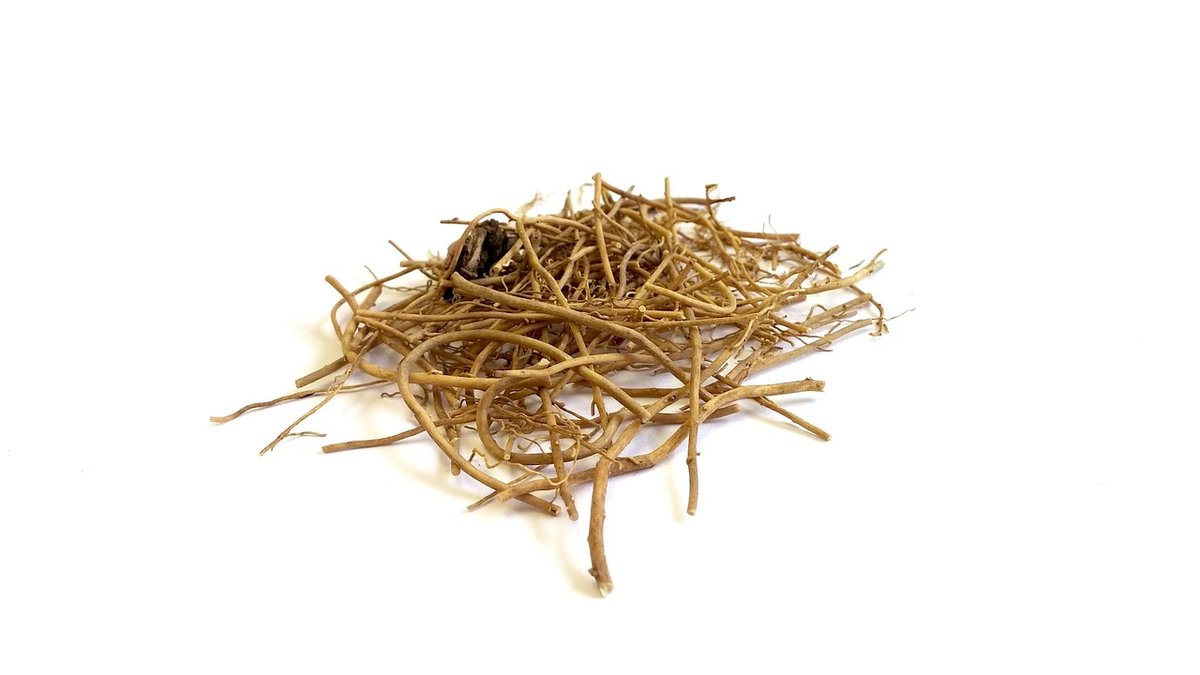
In Western thinking, flavor is about sensory pleasure. Sweet tastes good. Bitter doesn't. End of analysis.
Chinese medicine looks at flavor as pharmacology. Each of the five flavors produces a specific physiological effect in the body — and those effects target specific organ systems. A food's flavor isn't just about what happens on your tongue. It's about what happens in your liver, heart, spleen, lungs, and kidneys after digestion.
The Huangdi Neijing (《黄帝内经》) laid this out over 2,000 years ago with extraordinary precision:
"酸入肝,苦入心,甘入脾,辛入肺,咸入肾" — Sour enters the Liver, bitter enters the Heart, sweet enters the Spleen, pungent enters the Lung, salty enters the Kidney.
This isn't metaphor. TCM practitioners use this mapping clinically every day. A patient with Lung congestion gets pungent foods (ginger, scallion) to disperse the blockage. A patient with Spleen weakness gets sweet foods (rice, dates, yam) to rebuild strength. A patient with Kidney depletion gets moderate salt and salty foods (seaweed, oyster) to nourish essence.
The Neijing goes further, defining the therapeutic action of each flavor:
"辛散,酸收,甘缓,苦坚,咸软" — Pungent disperses, sour astringes, sweet moderates, bitter hardens/drains, salty softens.
These five actions form the foundation of Chinese dietary therapy and herbal medicine alike. Every food you eat carries one or more flavors, each with a predictable direction of therapeutic effect.
The Five Flavors: Complete Profiles
1. Sour (酸味) — The Liver's Flavor
Organ affinity: Liver (and Gallbladder) Therapeutic action: Astringes, consolidates, generates fluids Direction: Inward and downward — gathering, contracting energy
What sour does in the body:
Sour flavor has an astringent quality — it tightens, consolidates, and prevents leakage. In TCM terms, it "closes the gates":
- Stops excessive sweating (night sweats, spontaneous sweating)
- Controls diarrhea (astringes the intestines)
- Consolidates Kidney essence (prevents premature ejaculation, frequent urination)
- Generates fluids (stimulates salivation and digestive secretions)
- Firms the Lung (stops chronic cough)
Common sour foods and their uses:
| Food | Chinese | Thermal Nature | Specific Use |
|---|---|---|---|
| Chinese hawthorn | 山楂 | Slightly warm | Dissolves food stagnation, activates Blood |
| Schisandra berry | 五味子 | Warm | Astringes Lung Qi, stops cough, calms spirit |
| Ume plum (smoked) | 乌梅 | Warm | Generates fluids, stops diarrhea, kills parasites |
| Vinegar | 醋 | Warm | Activates Blood, resolves stagnation, detoxifies |
| Lemon | 柠檬 | Cool | Generates fluids, resolves phlegm, aids digestion |
| Pomegranate | 石榴 | Warm | Astringes intestines, stops diarrhea |
| Tomato | 番茄 | Cool | Generates fluids, clears heat |
| Sour jujube seed | 酸枣仁 | Neutral | Nourishes Liver Blood, calms the spirit, promotes sleep |
The Liver-Sour connection: The Liver stores Blood and governs the smooth flow of Qi. Sour flavor nourishes Liver Yin and Blood when used moderately. The Huangdi Neijing states: "酸生肝" — sour generates Liver function. However, excessive sour damages the Liver by causing over-contraction.
When to increase sour: Liver Blood Deficiency (blurred vision, brittle nails, light menstrual flow), Yin Deficiency with sweating, chronic loose stools from Spleen not consolidating.
When to decrease sour: Liver Qi Stagnation (the Liver is already too tight — sour makes it tighter), existing constipation (astringent quality worsens it), early-stage colds (sour traps pathogens inside by closing the surface).
Clinical note: A dietary survey conducted by the China Academy of Chinese Medical Sciences involving 1,200 participants found that people who reported craving sour foods had a 3.2x higher likelihood of scoring positive for Liver Qi Stagnation on standardized TCM diagnostic questionnaires. The craving itself is diagnostic.
2. Bitter (苦味) — The Heart's Flavor
Organ affinity: Heart (and Small Intestine) Therapeutic action: Drains, dries, hardens/consolidates Direction: Downward — descending, clearing, draining
What bitter does in the body:
Bitter is the most medicinal of the five flavors — and the least popular at the dinner table. Its functions are powerful:
- Drains fire and heat (clears inflammation, fever, infection)
- Dries dampness (resolves phlegm, edema, greasy coatings)
- Promotes bowel movement (descends Qi, treats constipation)
- Calms the spirit (through clearing Heart fire — Heat in the Heart causes agitation)
- Consolidates Yin (in small doses, bitter actually firms up Yin to prevent loss)
Common bitter foods and their uses:
| Food | Chinese | Thermal Nature | Specific Use |
|---|---|---|---|
| Bitter melon | 苦瓜 | Cold | Clears Heart fire, brightens eyes, detoxifies |
| Tea (green/oolong) | 茶 | Cool | Clears heat, promotes alertness, generates fluids |
| Lotus seed heart | 莲子心 | Cold | Directly drains Heart fire — the strongest food-grade Heart-fire remedy |
| Coffee | 咖啡 | Warm | Bitter and warm — stimulates, dries dampness, can deplete Yin |
| Dandelion | 蒲公英 | Cold | Clears heat-toxins, benefits the Liver |
| Almond (apricot kernel) | 杏仁 | Slightly warm | Descends Lung Qi, stops cough, moistens intestines |
| Celery | 芹菜 | Cool | Clears Liver heat, benefits blood pressure |
| Arugula/rocket | 芝麻菜 | Cool | Clears heat, promotes digestion |
The Heart-Bitter connection: The Heart houses the spirit (神, shén) and governs consciousness. When Heat accumulates in the Heart — from emotional stress, spicy food, alcohol, or lack of sleep — it causes insomnia, agitation, mouth ulcers, and anxiety. Bitter flavor directly drains this Heart fire. That's why a cup of bitter green tea calms you down. Why bitter melon soup clears a feverish mind.
The drying function: Bitter's ability to dry dampness makes it essential in Chinese medicine. Dampness — experienced as bloating, brain fog, heavy limbs, and greasy tongue coating — affects a significant portion of the modern population due to rich diets, sedentary lifestyles, and air-conditioned environments. Bitter foods cut through dampness like no other flavor.
When to increase bitter: Heart fire symptoms (mouth ulcers, insomnia, red tip of tongue), Dampness patterns (bloating, heavy limbs, brain fog), constipation from heat.
When to decrease bitter: Spleen Yang Deficiency (bitter's cold, draining nature further weakens an already cold, weak Spleen), Blood Deficiency (bitter dries fluids), Yin Deficiency (already too dry — bitter dries more).
Modern relevance: Western research has identified bitter taste receptors (T2Rs) throughout the human gut, not just on the tongue. These receptors trigger digestive secretions, increase gut motility, and may regulate appetite. A 2019 review in the Chinese Journal of Integrative Medicine noted that bitter food consumption correlated with lower rates of metabolic syndrome in a cohort of 3,400 Chinese adults — supporting TCM's long-held claim that bitter aids metabolic health.
3. Sweet (甘味) — The Spleen's Flavor
Organ affinity: Spleen (and Stomach) Therapeutic action: Tonifies, harmonizes, moderates, moistens Direction: Centering — stabilizing, nourishing, gathering to the middle
What sweet does in the body:
Sweet is the most nourishing flavor — and the most commonly consumed. In TCM, "sweet" doesn't mean sugar. It means the subtle sweetness found in grains, root vegetables, meats, and legumes. The natural sweetness of rice. The gentle sweetness of yam. The rich sweetness of red dates.
- Tonifies Qi and Blood (sweet foods are the primary builders of energy and substance)
- Harmonizes other flavors (licorice, the great harmonizer in herbal medicine, is sweet)
- Moderates urgency (stops spasms and pain — "甘缓" means sweet moderates)
- Moistens dryness (honey, pear, sesame)
- Strengthens the Spleen (the central digestive organ in TCM)
Common sweet foods and their uses:
| Food | Chinese | Thermal Nature | Specific Use |
|---|---|---|---|
| Rice | 大米 | Neutral | Foundation of Spleen health, tonifies Qi |
| Chinese yam | 山药 | Neutral | Tonifies Spleen, Lung, and Kidney simultaneously |
| Red dates | 大枣 | Warm | Tonifies Spleen Qi and Blood |
| Honey | 蜂蜜 | Neutral | Moistens Lung, lubricates intestines |
| Licorice root | 甘草 | Neutral | Harmonizes, tonifies Spleen Qi, moderates toxicity |
| Sweet potato | 红薯 | Neutral | Tonifies Spleen, generates fluids |
| Longan | 桂圆 | Warm | Tonifies Heart Blood and Spleen Qi |
| Pumpkin | 南瓜 | Warm | Tonifies Spleen Qi, harmonizes Stomach |
| Lamb | 羊肉 | Warm | Tonifies Qi and Yang |
| Chicken | 鸡肉 | Warm | Tonifies Qi and Blood |
The Spleen-Sweet connection: The Spleen is the center of digestion in TCM — the "后天之本" (postnatal root of life). All Qi and Blood production depends on the Spleen's ability to transform food. Sweet flavor directly nourishes the Spleen and Stomach. This is why rice — a sweet, neutral food — has been the dietary foundation of Chinese civilization for thousands of years.
The Huangdi Neijing states: "甘入脾" — sweet enters the Spleen. But it also warns: "甘伤脾" — excessive sweet damages the Spleen. The difference between medicine and poison is dose.
The modern sweet crisis: Traditional "sweet" in TCM refers to the gentle sweetness of whole foods — grains, tubers, dates. Modern processed sugar, high-fructose corn syrup, and artificially sweetened food represent a radical distortion of this flavor category. TCM practitioners increasingly identify excessive refined sugar consumption as a primary cause of the Dampness epidemic in modern populations. The Spleen, overwhelmed by concentrated sweetness, generates Dampness and Phlegm rather than Qi.
A national health survey cited by the Chinese Center for Disease Control found that Chinese sugar consumption has increased by approximately 50% over the past 30 years — correlating with dramatic increases in obesity, diabetes, and Dampness-related complaints in TCM clinical settings.
When to increase sweet (natural sweet): Spleen Qi Deficiency (fatigue, poor appetite, loose stools), general Qi and Blood Deficiency, recovery from illness, moderating acute pain or spasms.
When to decrease sweet: Dampness patterns (bloating, brain fog, heavy limbs, greasy tongue coating), diabetes and blood sugar issues, Phlegm accumulation.
4. Pungent/Acrid (辛味) — The Lung's Flavor
Organ affinity: Lung (and Large Intestine) Therapeutic action: Disperses, moves, opens, circulates Direction: Outward and upward — expanding, releasing, moving
What pungent does in the body:
Pungent is the dynamic flavor — it moves things. While sweet gathers and sour contracts, pungent pushes outward and opens up:
- Disperses exterior pathogens (promotes sweating to release colds)
- Moves Qi and Blood (resolves stagnation, opens channels)
- Opens the nose and Lung (clears nasal congestion, opens airways)
- Stimulates appetite (arouses the Stomach)
- Warms the interior (pungent foods are often warm or hot)
Common pungent foods and their uses:
| Food | Chinese | Thermal Nature | Specific Use |
|---|---|---|---|
| Fresh ginger | 生姜 | Warm | Disperses wind-cold, stops nausea, warms Stomach |
| Scallion | 大葱 | Warm | Opens nasal passages, disperses cold |
| Garlic | 大蒜 | Warm | Warms Spleen, resolves toxins, kills parasites |
| Chili pepper | 辣椒 | Hot | Strongly disperses cold, stimulates circulation |
| Onion | 洋葱 | Warm | Moves Qi, warms the middle |
| Radish (white) | 白萝卜 | Cool | Descends Lung Qi, resolves phlegm (pungent + cool) |
| Mint | 薄荷 | Cool | Disperses wind-heat, clears the head (pungent + cool) |
| Cinnamon | 肉桂 | Hot | Warms the Kidney, restores Yang |
| Sichuan pepper | 花椒 | Hot | Warms the middle, stops pain, dries dampness |
| Cilantro | 香菜 | Warm | Promotes sweating, aids measles eruption |
Warm pungent vs. cool pungent: This is a critical distinction. Warm pungent foods (ginger, scallion, garlic) disperse cold-type conditions — runny nose with clear discharge, chills, cold limbs. Cool pungent foods (mint, radish) disperse heat-type conditions — sore throat, fever, yellow nasal discharge. Matching the thermal nature of the pungent food to the type of condition is essential.
The Lung-Pungent connection: The Lung governs the "卫气" (defensive Qi) — the body's surface immune barrier. When pathogens invade (catching a cold), the Lung needs pungent energy to push them back out through sweating. That's why ginger-scallion soup (姜葱汤) is the universal first response to a cold in Chinese households.
The Lung also "governs Qi" and "controls the skin and body hair." Pungent foods that enter the Lung help circulate Qi to the body's surface, maintaining immune defense and skin health.
When to increase pungent: Early-stage colds (to promote sweating and release the pathogen), Qi stagnation (chest tightness, bloating, emotional repression), Blood stasis (fixed pain, dark menstrual clots), poor appetite.
When to decrease pungent: Yin Deficiency (pungent disperses Yin fluids — already scarce), Blood Deficiency (excessive sweating from pungent depletes Blood), Qi Deficiency (pungent disperses the little Qi remaining), skin conditions from wind-heat (pungent-warm foods worsen them).
Clinical insight: The 2003 SARS epidemic in China triggered widespread use of pungent-warm herbs and foods (vinegar fumigation, ginger tea, scallion preparations) as preventive measures. While the scientific evidence for these practices during SARS was limited, the cultural response illustrated how deeply embedded the Lung-pungent connection is in Chinese medical consciousness. During COVID-19, Chinese TCM authorities recommended similar approaches — pungent-warm herbal preparations appeared in over 80% of TCM COVID treatment protocols.
5. Salty (咸味) — The Kidney's Flavor
Organ affinity: Kidney (and Bladder) Therapeutic action: Softens, descends, moistens, purges Direction: Downward and inward — sinking, dissolving, penetrating deep
What salty does in the body:
Salty is the deepest-acting flavor — it reaches the Kidney, the most fundamental organ in TCM. Salt's actions include:
- Softens hardness (dissolves cysts, nodules, masses — 咸能软坚)
- Promotes downward movement (treats constipation, helps clear phlegm)
- Nourishes Kidney essence (moderate salt supports Kidney function)
- Promotes fluid metabolism (salt's relationship with water mirrors the Kidney's governance of water)
- Guides herbs downward (salt-processed herbs have enhanced Kidney-targeting ability)
Common salty foods and their uses:
| Food | Chinese | Thermal Nature | Specific Use |
|---|---|---|---|
| Seaweed/kelp | 海带 | Cold | Softens nodules, clears phlegm-heat, benefits thyroid |
| Sea cucumber | 海参 | Warm | Nourishes Kidney Yin and Blood, benefits joints |
| Oyster | 牡蛎 | Neutral | Calms the Liver, softens hardness, nourishes Yin |
| Crab | 螃蟹 | Cold | Clears heat, nourishes Yin, activates Blood |
| Clam | 蛤蜊 | Cold | Nourishes Yin, clears heat, softens hardness |
| Miso | 味噌 | Warm | Harmonizes the middle, nourishes the Kidney |
| Soy sauce | 酱油 | Cold | Clears heat, harmonizes the middle |
| Pork kidney | 猪腰 | Neutral | Directly tonifies the Kidney (like treats like) |
The Kidney-Salty connection: The Kidney stores Jing (essence) — the body's most fundamental substance, governing growth, reproduction, aging, and bone health. Moderate salt intake nourishes the Kidney. But the Huangdi Neijing explicitly warns: "多食咸,则脉凝泣而变色" — excessive salt causes the blood vessels to congeal and the complexion to darken. This ancient warning aligns remarkably with modern understanding of sodium's role in hypertension and cardiovascular disease.
The softening function: Salty's ability to "soften hardness" (软坚散结) is clinically significant. Thyroid nodules, breast cysts, uterine fibroids, and lymph node swellings are all treated in TCM with salty-flavored herbs and foods — particularly seaweed, oyster shell, and sea salt preparations. Modern research confirms that seaweed's iodine content directly benefits thyroid function, while oyster shell's mineral composition has demonstrated anti-nodular properties.
When to increase salty: Kidney Deficiency (low back pain, tinnitus, premature greying, low libido), nodules and cysts (under TCM guidance), constipation from dryness.
When to decrease salty: Hypertension, edema and water retention, Kidney disease (the damaged Kidney can't process excess salt), Heart conditions.
The Interaction Dynamics: Five Flavors Don't Act Alone
The Generation Cycle (相生)
The five flavors support each other in a specific sequence that mirrors the Five Element generation cycle:
Sour (Wood/Liver) → Bitter (Fire/Heart) → Sweet (Earth/Spleen) → Pungent (Metal/Lung) → Salty (Water/Kidney) → Sour (back to Wood/Liver)
In practical terms: the Liver generates Heart function, so supporting the Liver with sour foods indirectly benefits the Heart. The Spleen generates Lung function, so sweet foods that strengthen the Spleen indirectly support the Lung's immune capacity.
The Control Cycle (相克)
Each flavor also restrains another:
Sour restrains Sweet → Bitter restrains Pungent → Sweet restrains Salty → Pungent restrains Sour → Salty restrains Bitter
This means excessive sweetness can be balanced by sour. If you've been eating too many rich, sweet foods (cakes, desserts, greasy meals), adding sour foods (hawthorn, vinegar, lemon) helps restore balance. If excess pungent food has caused sweating and Qi dispersal, bitter foods (green tea, bitter greens) contract and stabilize.
The Damage Cycle: When Excess Destroys
The Huangdi Neijing describes the consequences of flavor excess:
- "多食酸,则肉胝而唇揭" — Excess sour: tendons contract, lips crack
- "多食苦,则皮槁而毛拔" — Excess bitter: skin dries out, body hair falls
- "多食甘,则骨痛而发落" — Excess sweet: bones ache, hair falls out
- "多食辛,则筋急而爪枯" — Excess pungent: tendons tighten, nails become brittle
- "多食咸,则脉凝泣而变色" — Excess salt: blood vessels harden, complexion darkens
These ancient observations map remarkably well to modern medical understanding. Excess sugar (sweet) contributes to osteoporosis (bone pain) and diabetes. Excess salt (salty) causes hypertension (vessel hardening). Excess hot spice (pungent) dehydrates tissues and causes inflammatory skin conditions. The correspondence isn't perfect, but it's striking.
Flavor Cravings as Diagnostic Signals
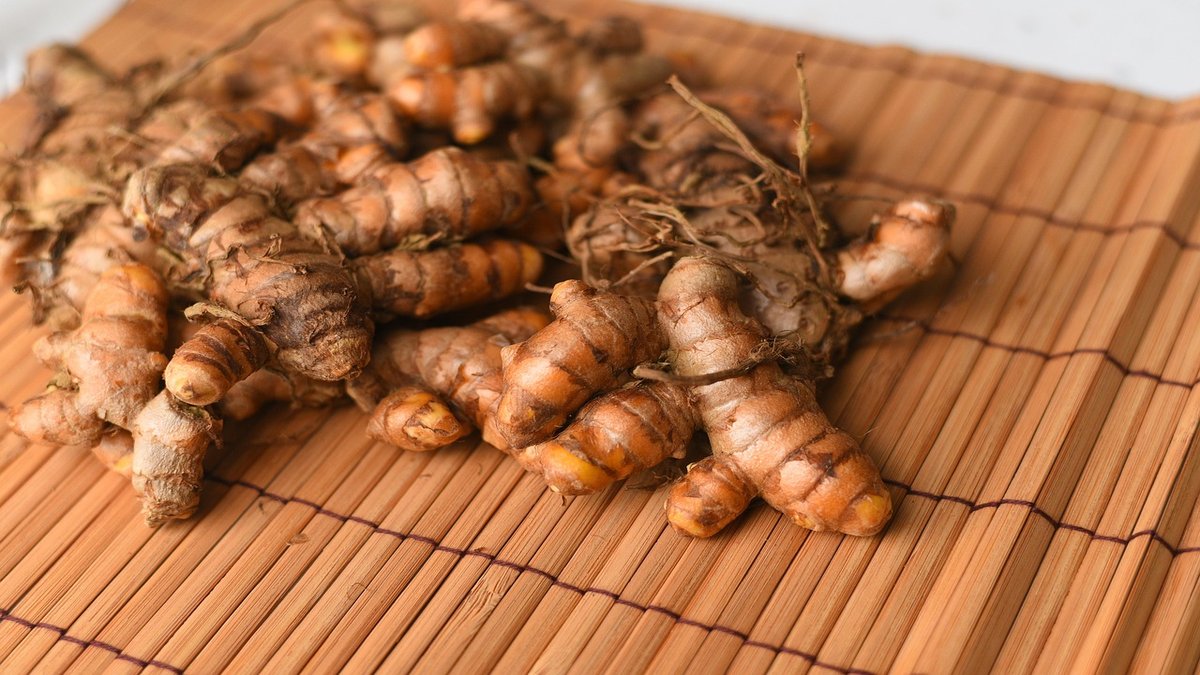
One of the most practical applications of the Five Flavors theory: your cravings tell you what's wrong.
| Craving | TCM Interpretation | What Your Body Actually Needs |
|---|---|---|
| Craving sweets | Spleen Qi Deficiency — the Spleen is weak and "calling" for its flavor | Whole-food sweet (rice, yam, dates), NOT refined sugar |
| Craving salty | Kidney Deficiency — the Kidney is depleted | Moderate natural salt + Kidney-nourishing foods (black beans, walnuts) |
| Craving sour | Liver Blood Deficiency or Liver Qi Stagnation | Moderate sour (hawthorn, vinegar) + Liver-soothing foods |
| Craving bitter | Heart Fire — the Heart has excess heat | Bitter foods to drain the fire (green tea, bitter melon, lotus seed heart) |
| Craving pungent/spicy | Lung Qi stagnation or cold accumulation | Moderate pungent to move Qi, but don't overdo it |
Important caution: Giving in to the craving in excess makes the problem worse. A Spleen-weak person craves sweets → eats sugar → generates more Dampness → Spleen gets weaker → craves more sweets. The cycle amplifies itself. The solution: address the underlying organ weakness with the right type of flavor in moderate, whole-food amounts.
A clinical study from the Beijing University of Chinese Medicine found that 78% of patients with documented Spleen Qi Deficiency reported significant sweet cravings, while 65% of patients with Kidney Yang Deficiency craved salty foods — confirming the diagnostic reliability of flavor cravings in clinical practice.
Putting It Together: The Five-Flavor Balanced Meal
A properly balanced Chinese meal incorporates all five flavors in appropriate proportions:
Model meal structure:
- Sweet (base, ~50-60%): Rice, yam, or other grains — the foundation
- Pungent (seasoning, ~10-15%): Ginger, scallion, garlic in cooking
- Salty (moderate, ~10%): Soy sauce, natural sea salt, seaweed
- Sour (accent, ~10%): Vinegar in dressing, hawthorn in sauce
- Bitter (small amount, ~5-10%): Green tea after the meal, bitter greens as a side dish
This ratio isn't rigid — adjust based on your constitution:
- Cold constitution: Increase pungent (warming), moderate sweet (tonifying). Decrease bitter (draining).
- Hot constitution: Increase bitter (clearing), moderate sour (astringent). Decrease pungent (heating).
- Damp constitution: Increase bitter (drying dampness), increase pungent (moving Qi). Decrease sweet (generates dampness).
- Dry/Yin-Deficient constitution: Increase sour (generates fluids), moderate sweet (moistens). Decrease pungent (disperses fluids).
Use the Constitution Quiz to determine your dominant pattern, then reference the warming vs. cooling foods guide for thermal adjustments alongside flavor balancing.
The Sixth Flavor: Bland (淡味)
Some TCM texts add a sixth flavor — bland (淡). Bland foods like barley (薏苡仁), poria (茯苓), and plain rice water (米汤) promote urination and drain dampness without the strong therapeutic actions of the main five flavors. They're considered the safest therapeutic foods — gentle enough for daily use, effective enough for chronic dampness.
The Huangdi Neijing groups bland with sweet (both enter the Spleen), but clinical practice often treats it as a distinct category for its unique dampness-draining properties.
Five Flavors and Seasonal Eating
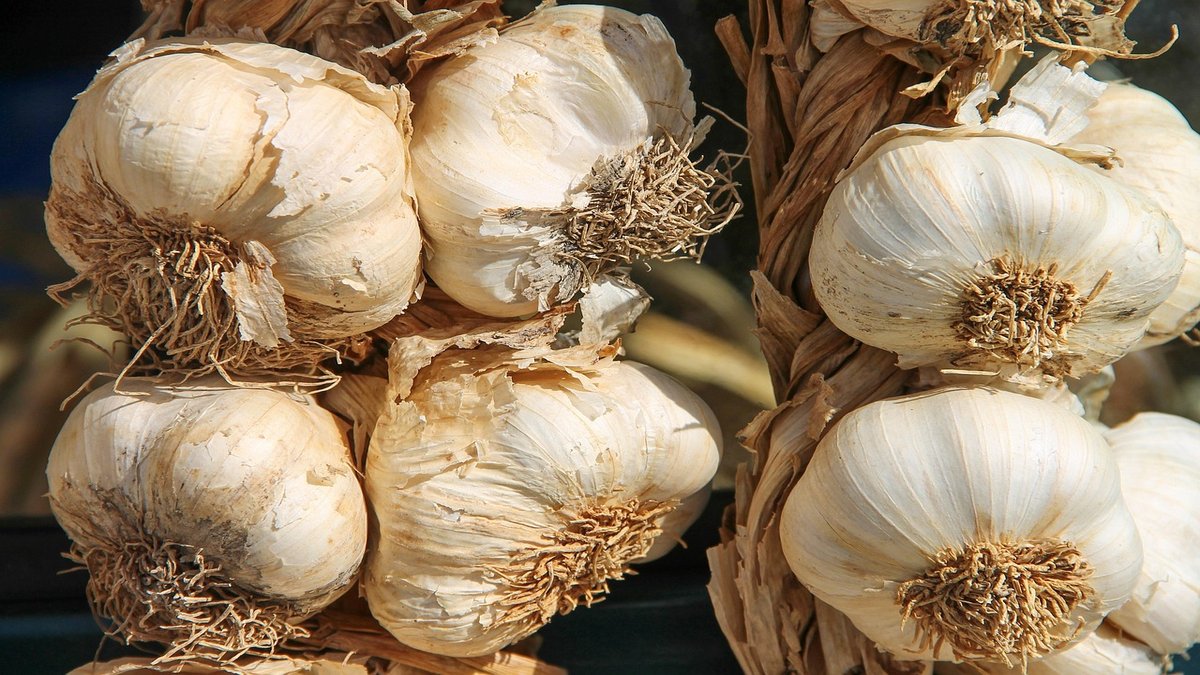
The Five Element cycle maps flavors to seasons:
| Season | Dominant Organ | Favorable Flavor | Restraining Flavor to Limit |
|---|---|---|---|
| Spring | Liver | Slightly increase sweet (to support Spleen against Liver overgrowth) | Reduce sour (Liver is already active — sour overstimulates) |
| Summer | Heart | Slightly increase sour and salty (to consolidate against summer sweating) | Reduce bitter (Heart is already active) |
| Late Summer | Spleen | Slightly increase sour (astringes dampness) | Reduce sweet (Dampness season — excess sweet worsens it) |
| Autumn | Lung | Slightly increase sour (moistens Yin against dryness) | Reduce pungent (Lung is vulnerable — pungent over-disperses) |
| Winter | Kidney | Slightly increase bitter (to consolidate Kidney Yin) | Reduce salty (Kidney is vulnerable — excess salt damages it) |
This seasonal flavor rotation is detailed in the Huangdi Neijing chapter "四气调神大论" and remains a cornerstone of TCM dietary practice. Our seasonal eating calendar integrates both thermal and flavor considerations month by month.
Common Mistakes with the Five Flavors
Mistake 1: Equating TCM "sweet" with sugar. TCM sweet refers to the natural sweetness of grains, root vegetables, dates, and meats. Refined sugar, candy, and sweetened beverages represent a concentrated, distorted form that the Spleen can't process — generating Dampness and Phlegm rather than Qi.
Mistake 2: Avoiding all bitter foods. Modern diets systematically eliminate bitterness in favor of sweet and salty. This deprives the Heart of its supporting flavor and removes the body's primary dampness-clearing and heat-draining mechanism. Green tea, bitter greens, and small amounts of bitter melon should appear regularly in a balanced diet.
Mistake 3: Using flavor therapy in isolation. Flavor is one dimension of food classification. Thermal nature (the warming vs. cooling system) and meridian entry (归经) are equally important. A food's full therapeutic profile requires all three dimensions.
Mistake 4: Ignoring preparation. The same ingredient can emphasize different flavors depending on preparation. Vinegar-dressed cucumbers emphasize sour. Salt-preserved cucumbers emphasize salty. Stir-fried cucumbers with ginger emphasize pungent. How you prepare a food changes which flavor dominates.
When Flavor Imbalance Becomes Disease
The Huangdi Neijing contains perhaps the earliest documented link between dietary flavor patterns and chronic disease. It states:
"味过于酸,肝气以津,脾气乃绝" — When sour is excessive, Liver Qi floods and Spleen Qi collapses.
"味过于咸,大骨气劳,短肌,心气抑" — When salt is excessive, the great bones weaken, muscles shrink, and Heart Qi is suppressed.
"味过于甘,心气喘满,色黑,肾气不衡" — When sweet is excessive, the Heart becomes congested, the complexion darkens, and Kidney Qi is thrown off balance.
"味过于苦,脾气不濡,胃气乃厚" — When bitter is excessive, Spleen Qi dries up and Stomach Qi thickens (digestive dysfunction).
"味过于辛,筋脉沮弛,精神乃央" — When pungent is excessive, sinews and vessels slacken, and the spirit is impaired.
Every one of these ancient observations has modern clinical correlates. TCM's Five Flavor theory anticipated connections between diet and chronic disease that Western nutrition is still mapping.
Frequently Asked Questions
Do I need to taste all five flavors in every meal?
Not every single meal needs all five, but your daily intake across all meals should include all five flavors in balanced proportions. A Chinese dinner that includes rice (sweet), stir-fried greens with garlic (pungent + bitter), a soy-sauce-seasoned dish (salty), and vinegar dipping sauce (sour) naturally covers all five. The key is awareness — if you notice an entire day passing without any bitter or sour flavors, make a conscious effort to include them.
Why do I crave spicy food when I'm stressed?
Stress causes Liver Qi Stagnation in TCM. Stagnant Qi feels like tightness, frustration, and constriction. Pungent flavor disperses and moves Qi, providing temporary relief from the stagnant feeling. Spicy food literally "opens things up." However, chronic use of spicy food to manage stress depletes Yin and Blood over time, creating a secondary problem. A better long-term approach: rose tea and jasmine tea (gently pungent, Liver-soothing) rather than aggressive chili consumption.
Is the "sweet flavor" recommendation compatible with diabetes management?
Yes, with the critical distinction that TCM "sweet" means whole-food natural sweetness — rice, yam, pumpkin, dates — not refined sugar. People with diabetes should focus on sweet foods with lower glycemic impact: millet, Chinese yam, pumpkin, and sweet potato (in moderation). The Spleen-tonifying action of these foods actually helps regulate blood sugar in TCM theory by strengthening the body's ability to properly transform and metabolize food.
Can children benefit from five-flavor balancing?
Absolutely. TCM pediatric nutrition emphasizes that children's Spleens are inherently immature ("脾常不足"), making them susceptible to damage from excess sweet (candy, juice, processed snacks). A balanced approach emphasizing natural sweet (grains, mild vegetables), small amounts of sour (hawthorn for digestion), mild pungent (ginger in soups), and avoiding excessive bitter and salty flavors supports healthy childhood development.
How does the Five Flavor system interact with the thermal nature system?
They're complementary axes. A food has both a flavor and a thermal nature. Ginger is pungent AND warm — it disperses (pungent action) and heats (warm nature). Mint is pungent AND cool — it disperses (pungent action) but cools (cool nature). Understanding both dimensions lets you select foods with precision. For example, a patient with a cold-type cough needs pungent-warm foods (ginger, scallion). A patient with a heat-type sore throat needs pungent-cool foods (mint, radish). Same flavor, different thermal nature, completely different applications.
Related Reading
- Warming vs. Cooling Foods: The Chinese Classification System Explained
- The 9 TCM Body Constitutions: What Chinese Medicine Says About Your Diet
- Congee Therapy: 20 Medicinal Porridge Recipes from Chinese Tradition
— The Yao Shan Guide Team