Congee Therapy: 20 Medicinal Porridge Recipes from Chinese Tradition
This article is for educational purposes only and does not constitute medical advice. The congee recipes below include traditional Chinese medicinal ingredients; consult a qualified TCM practitioner before incorporating medicinal congees into your routine, especially if you have chronic conditions, are pregnant, or take medications.

Quick Answer
- Chinese medicinal congee (药粥) has been used therapeutically for over 2,500 years, with the earliest records in the *Huangdi Neijing* and over 60 congee recipes documented in Li Shizhen's *Bencao Gangmu* (1578 CE)
- Congee works as medicine because its long-cooked, liquid form bypasses the Spleen's digestive burden — delivering nutrients and herbal properties directly to a weakened system, making it ideal for illness recovery, elderly care, and chronic deficiency conditions
- Each of the 20 recipes below targets a specific health concern — from Qi Deficiency fatigue to insomnia, poor digestion, blood deficiency, and seasonal ailments — with exact ingredients, ratios, and cooking instructions
- Use the [Constitution Quiz](/tools/constitution-quiz) to identify which congee recipes match your body type, and check the [Ingredient Lookup](/tools/ingredient-lookup) for any unfamiliar ingredient
Photo by cegoh on Pixabay
This article is for educational purposes only and does not constitute medical advice. The congee recipes below include traditional Chinese medicinal ingredients; consult a qualified TCM practitioner before incorporating medicinal congees into your routine, especially if you have chronic conditions, are pregnant, or take medications.
Why Congee Is China's Original Medicine
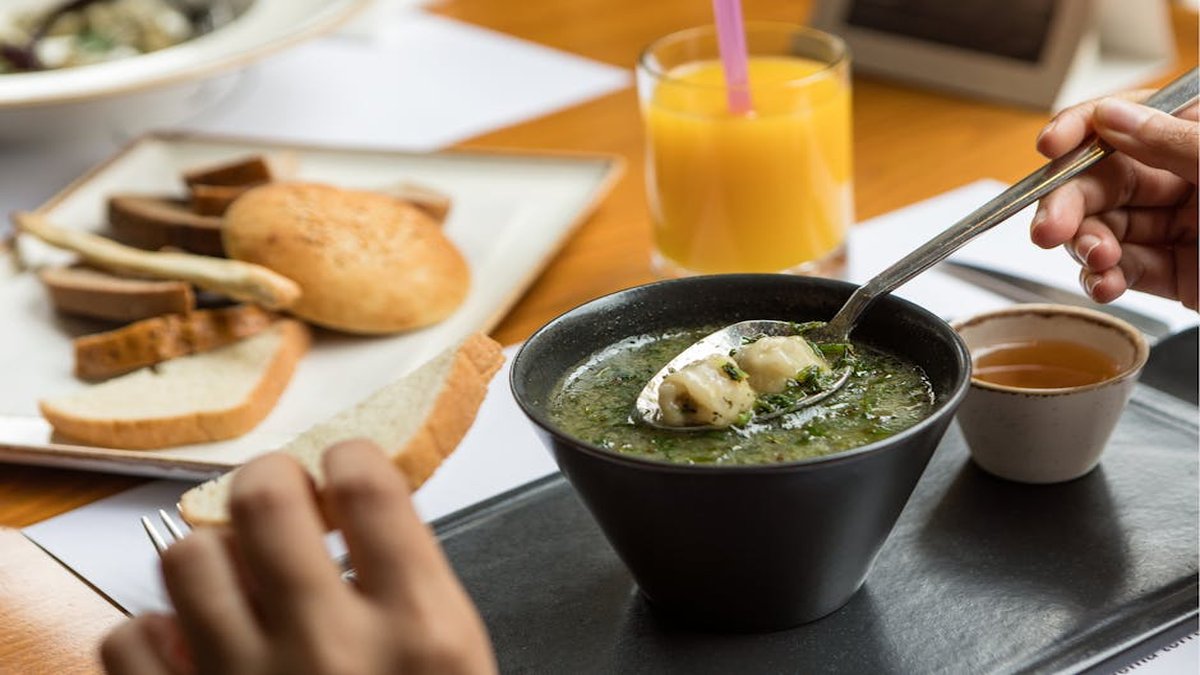
Before there were pills, capsules, or even concentrated herbal decoctions — there was congee.
Congee (粥, zhōu) is rice cooked with large amounts of water until it breaks down into a thick, porridge-like consistency. The typical ratio is 1 part rice to 6-10 parts water, simmered for 1-2 hours. The result is a warm, easily digestible base that can carry medicinal herbs, vegetables, meats, and other therapeutic ingredients directly into the body.
The Qing Dynasty physician Wang Shixiong (王士雄) called congee "天下第一补物" — the world's greatest tonifying food. His reasoning: even the strongest tonic herbs are useless if the Spleen and Stomach can't absorb them. Congee's soft, warm, liquid nature makes it the ideal delivery vehicle for a compromised digestive system.
The medical logic is straightforward in TCM terms:
- The Spleen governs transformation and transportation (脾主运化) — it converts food into Qi and Blood
- A weakened Spleen can't process complex foods — heavy meals sit undigested, generating dampness and stagnation
- Congee requires minimal digestive effort — the long cooking has already broken down the starches
- Adding medicinal ingredients to congee delivers their properties in a pre-processed, Spleen-friendly form
Li Shizhen's Bencao Gangmu (《本草纲目》, 1578 CE) documented over 60 medicinal congee recipes, each targeting specific conditions. The tradition extends even further back — the Huangdi Neijing references grain-based therapeutic preparations over 2,000 years ago.
Modern clinical practice confirms the approach. A survey of TCM hospital nutrition departments across 12 major Chinese cities found that congee-based food therapy was the #1 recommended dietary intervention for patients with chronic digestive disorders, post-surgical recovery, and elderly malnutrition.
Essential Congee-Making Technique
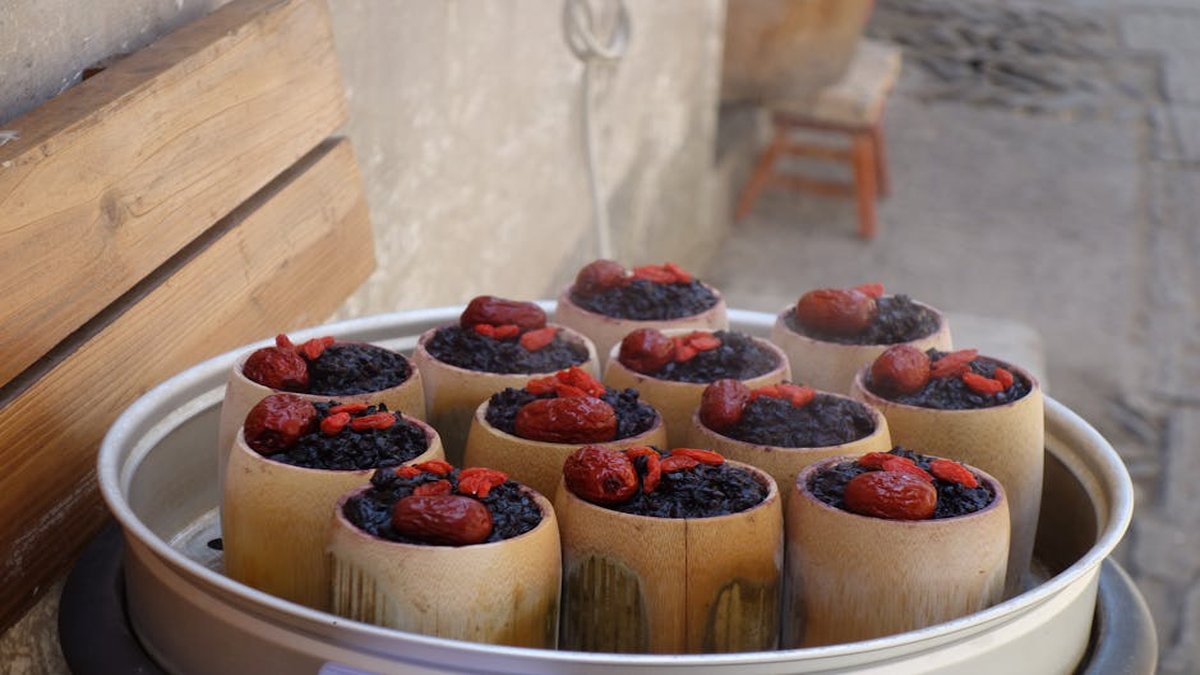
Before the recipes, master the base technique:
Basic medicinal congee method:
-
Rice selection: White rice (粳米) is the standard base — neutral nature, tonifies Spleen and Stomach. Millet (小米) is warmer and better for weak digestion. Glutinous rice (糯米) is warming but harder to digest — use for specific recipes only.
-
Water ratio: Use 1:8 to 1:10 (rice to water) for medicinal congee. Thinner than regular breakfast congee. The excess water becomes a medicinal "rice water" (米汤) that is itself therapeutic.
-
Pre-soak herbs: Hard herbs (astragalus, codonopsis, dried yam) should be soaked 30-60 minutes before cooking. Some herbs (like sour jujube seed) benefit from being crushed first.
-
Cooking method: Bring to a boil over high heat, then reduce to the lowest simmer. Cook 60-90 minutes, stirring occasionally to prevent sticking. The congee should be smooth, slightly thick, and uniform.
-
Add-in timing: Hard herbs and roots go in from the start. Leafy herbs, eggs, or delicate ingredients go in during the last 10-15 minutes. Honey and rock sugar go in after removing from heat.
-
Optimal eating time: Breakfast is the best time for medicinal congee — the Stomach meridian peaks from 7-9 AM (辰时), and the Spleen meridian peaks from 9-11 AM. Eating congee during these windows maximizes absorption.
20 Medicinal Congee Recipes
Category 1: Qi-Tonifying Congees (补气粥)
1. Astragalus and Red Date Congee (黄芪红枣粥)
Target condition: Qi Deficiency fatigue — chronic tiredness, shortness of breath, spontaneous sweating, weak voice, frequent colds.
Ingredients:
- Astragalus root (黄芪) — 15g
- Red dates (大枣) — 8-10, pitted
- White rice (粳米) — 100g
- Water — 1000ml
Method: Soak astragalus for 30 minutes. Boil astragalus in water for 30 minutes, then strain out the root. Use the astragalus-infused water to cook rice and red dates into congee for another 60 minutes.
Why it works: Astragalus is the #1 Qi-tonifying herb in Chinese medicine, documented in the Shennong Bencao Jing as a superior-grade herb safe for long-term use. Clinical research shows astragalus polysaccharides enhance immune function and increase white blood cell counts. Red dates tonify Spleen Qi and Blood. Together in congee form, they rebuild the body's fundamental energy reserves. Learn more about astragalus in our top 10 medicinal foods guide.
Best for: Post-illness recovery, chronic fatigue, elderly weakness, change of seasons.
2. Four Gentlemen Congee (四君子粥)
Target condition: Spleen Qi Deficiency — poor appetite, bloating after meals, loose stools, fatigue, pale complexion.
Ingredients:
- Codonopsis root (党参) — 10g
- White atractylodes (白术) — 10g
- Poria (茯苓) — 10g
- Chinese licorice (甘草) — 3g
- White rice (粳米) — 100g
- Water — 1200ml
Method: Boil the four herbs in water for 40 minutes. Strain. Use the herbal liquid to cook rice congee for 60 minutes. Add a small amount of rock sugar if desired.
Why it works: This is the congee version of the famous Si Jun Zi Tang (四君子汤), one of the most fundamental formulas in Chinese medicine for Spleen Qi Deficiency. The four herbs work synergistically: codonopsis tonifies Qi, atractylodes dries dampness and strengthens the Spleen, poria drains dampness and calms the spirit, licorice harmonizes. The formula has been used since the Song Dynasty — over 800 years of clinical application.
Best for: Chronic poor digestion, food therapy foundation for any Spleen weakness pattern.
3. Chinese Yam and Lotus Seed Congee (山药莲子粥)
Target condition: Spleen-Kidney Qi weakness — fatigue with loose stools, poor appetite, weak lower back.
Ingredients:
- Fresh Chinese yam (山药) — 100g, peeled and cubed
- Lotus seeds (莲子) — 30g, soaked
- White rice (粳米) — 80g
- Water — 1000ml
Method: Soak lotus seeds for 1 hour (remove the green heart/芯 if you don't want bitter taste — though the heart itself clears Heart fire). Cook all ingredients together in water. Simmer 60-90 minutes until smooth and thick.
Why it works: Chinese yam is one of the few foods that simultaneously tonifies the Spleen, Lung, and Kidney — making it uniquely versatile. Lotus seed strengthens the Spleen and Kidney while calming the spirit. This combination addresses the Spleen-Kidney axis that governs both digestion and constitutional strength.
Best for: Children with poor appetite, elderly with weak digestion, anyone recovering from chronic illness.
Category 2: Blood-Nourishing Congees (补血粥)
4. Red Date and Longan Congee (红枣桂圆粥)
Target condition: Blood Deficiency — pale complexion, dizziness, dry skin, insomnia, heart palpitations.
Ingredients:
- Red dates (大枣) — 10, pitted
- Dried longan (桂圆) — 15g
- White rice (粳米) — 100g
- Brown sugar — 15g
- Water — 1000ml
Method: Cook rice, dates, and longan together. Simmer 60 minutes. Add brown sugar in the last 5 minutes.
Why it works: Red dates are China's most accessible Blood tonic — studies from Chinese medical universities show they contain cyclic AMP compounds that support red blood cell production. Longan nourishes Heart Blood and calms the spirit. Brown sugar activates Blood circulation. Together, they address Blood Deficiency at multiple levels.
Best for: Women after menstruation, postpartum recovery, anemia support, insomnia from Blood Deficiency.
5. Black Sesame and Walnut Congee (黑芝麻核桃粥)
Target condition: Liver-Kidney Blood and Yin Deficiency — premature greying, hair loss, dry skin, dizziness, blurred vision, constipation.
Ingredients:
- Black sesame (黑芝麻) — 30g, lightly toasted and ground
- Walnuts (核桃) — 30g, crushed
- White rice (粳米) — 80g
- Honey — to taste
- Water — 1000ml
Method: Cook rice into thin congee. Add ground sesame and crushed walnuts in the last 15 minutes. Stir until smooth. Add honey after removing from heat.
Why it works: Black sesame enters the Liver and Kidney channels, nourishing Yin and Blood. TCM holds that "black enters the Kidney" (黑入肾) — dark-colored foods have a special affinity for Kidney nourishment. Walnuts resemble the brain (a classic TCM "doctrine of signatures") and are warm, nourishing the Kidney and moistening the intestines. This congee is one of the most popular anti-aging preparations in Chinese tradition.
Best for: Age-related hair and vision changes, constipation in the elderly, long-term beauty maintenance.
6. Angelica and Chicken Blood Congee (当归鸡血粥)
Target condition: Severe Blood Deficiency — marked pallor, dizziness on standing, fatigue with palpitations, menstrual irregularity.
Ingredients:
- Angelica root (当归) — 10g
- Chicken blood (鸡血) — 100g, cubed (available at Chinese markets)
- White rice (粳米) — 100g
- Fresh ginger — 3 slices
- Salt — pinch
- Water — 1200ml
Method: Boil angelica in water for 30 minutes, strain. Use the liquid to cook rice congee. Add cubed chicken blood and ginger in the last 15 minutes.
Why it works: Angelica root (当归) is the primary Blood-nourishing herb in Chinese medicine — its name literally means "should return" (to normal health). Chicken blood directly supplements Blood (TCM uses the "like treats like" principle — blood nourishes Blood). The combination is particularly effective for women with chronic Blood Deficiency.
Best for: Post-menstrual recovery, chronic anemia, post-surgical blood loss.
Category 3: Yin-Nourishing Congees (养阴粥)
7. Lily Bulb and Tremella Congee (百合银耳粥)
Target condition: Lung and Stomach Yin Deficiency — dry cough, dry mouth and throat, afternoon low-grade fever, night sweats, dry skin.
Ingredients:
- Dried lily bulb (百合) — 20g, soaked
- Dried tremella (银耳) — 10g, soaked and torn into pieces
- Rock sugar — 20g
- White rice (粳米) — 80g
- Water — 1200ml
Method: Soak tremella for 2 hours and lily bulb for 30 minutes. Cook tremella with rice for 40 minutes (it takes longer to soften). Add lily bulb and continue for 20 minutes. Add rock sugar in the last 5 minutes.
Why it works: Tremella mushroom has been called "穷人的燕窝" (poor people's bird's nest) because it offers similar Yin-nourishing, skin-moistening effects at a fraction of the cost. Modern analysis confirms tremella polysaccharides have significant moisturizing and antioxidant properties. Lily bulb clears Heart fire and calms the spirit while nourishing Lung Yin. Together they create one of the most effective autumn dryness congees.
Best for: Autumn dry season, Yin Deficiency constitution, dry skin and cough, menopausal hot flashes. See our seasonal eating calendar for optimal timing.
8. Goji Berry and Chrysanthemum Congee (枸杞菊花粥)
Target condition: Liver-Kidney Yin Deficiency with eye strain — blurred vision, dry eyes, dizziness, tinnitus, headache.
Ingredients:
- Goji berries (枸杞子) — 15g
- Chrysanthemum flowers (菊花) — 5g
- White rice (粳米) — 100g
- Rock sugar — 10g
- Water — 1000ml
Method: Cook rice into congee for 50 minutes. Add goji berries and chrysanthemum in the last 10 minutes. Add rock sugar after removing from heat.
Why it works: Goji berries nourish Liver and Kidney Yin — the Liver "opens to the eyes" in TCM, so nourishing Liver Yin directly benefits vision. Chrysanthemum clears Liver heat and brightens the eyes. This is one of the most prescribed food therapy combinations for eye health in Chinese clinical practice. A study from the Zhejiang University of Chinese Medicine demonstrated that goji berry supplementation of 15g/day for 90 days improved tear film stability and reduced dry eye symptoms in 72% of participants.
Best for: Office workers with screen fatigue, age-related vision changes, headaches from Liver Yin Deficiency.
9. Rehmannia and Mulberry Congee (地黄桑葚粥)
Target condition: Kidney Yin Deficiency — low back pain, night sweats, tinnitus, premature greying, dry mouth at night.
Ingredients:
- Prepared rehmannia (熟地黄) — 15g
- Dried mulberries (桑葚) — 20g
- Black rice (黑米) — 50g
- White rice (粳米) — 50g
- Water — 1200ml
Method: Soak rehmannia for 30 minutes. Cook rehmannia in water for 30 minutes, strain. Use the liquid to cook both rices and mulberries for 60-90 minutes.
Why it works: Prepared rehmannia is the strongest Kidney Yin tonic in the Chinese materia medica — it's the chief herb in Liu Wei Di Huang Wan (六味地黄丸), perhaps the most famous Kidney Yin formula in history. Mulberries nourish Kidney Yin and Blood. Black rice adds Kidney affinity (black enters the Kidney). The congee form makes this heavy, cloying herb (rehmannia is notoriously hard to digest) much more tolerable for the Spleen.
Best for: Menopausal Yin Deficiency, chronic kidney health support, premature aging signs.
Category 4: Yang-Warming Congees (温阳粥)
10. Lamb and Ginger Congee (羊肉生姜粥)
Target condition: Kidney Yang Deficiency — always cold, especially hands/feet and lower back, low energy in winter, frequent clear urination, low libido.
Ingredients:
- Lean lamb (羊肉) — 100g, minced or thinly sliced
- Fresh ginger (生姜) — 15g, sliced
- White rice (粳米) — 100g
- Scallion (葱白) — 2 stalks, chopped
- Salt — pinch
- Water — 1200ml
Method: Blanch lamb briefly to remove gamey smell. Cook rice and ginger in water for 40 minutes. Add lamb and cook another 20 minutes. Add scallion and salt at the end.
Why it works: Lamb is the warmest commonly-eaten meat, directly tonifying Kidney Yang. Ginger warms the Spleen and Stomach, helping the body absorb lamb's warming properties. Scallion opens the Yang channels. This congee is recommended in the Bencao Gangmu and has been a winter staple in northern China for centuries.
Best for: Winter constitution support, Yang Deficiency in the elderly, cold-pattern fatigue.
11. Cinnamon and Walnut Congee (桂圆核桃粥)
Target condition: Heart-Kidney Yang Deficiency — cold with palpitations, insomnia, fatigue, cold lower back, emotional low mood.
Ingredients:
- Dried longan (桂圆) — 15g
- Walnuts (核桃) — 30g, crushed
- White rice (粳米) — 100g
- Brown sugar — 15g
- Water — 1000ml
Method: Cook rice with walnuts for 50 minutes. Add longan in the last 15 minutes. Add brown sugar before serving.
Why it works: Longan warms the Heart and nourishes Heart Blood — addressing the emotional and sleep aspects of Yang Deficiency. Walnuts warm the Kidney and nourish the Brain. Brown sugar provides warming energy. The Heart-Kidney axis is critical in TCM — when both are cold, symptoms include depression, fatigue, and insomnia simultaneously.
Best for: Winter depression, elderly with cold and insomnia, Kidney-Heart Yang Deficiency pattern.
Category 5: Dampness-Draining Congees (祛湿粥)
12. Barley and Red Bean Congee (薏米红豆粥)
Target condition: Spleen Dampness — heavy body sensation, bloating, loose stools, brain fog, puffy face and limbs, greasy tongue coating.
Ingredients:
- Barley/Job's tears (薏苡仁) — 50g, soaked overnight
- Red adzuki beans (赤小豆) — 30g, soaked overnight
- Water — 1200ml
- (NO rice — this is deliberate; rice can increase dampness in this formula)
Method: Soak both ingredients overnight. Bring to a boil, then simmer for 60-90 minutes until both are soft and the liquid is slightly thick. Can add small amount of rock sugar if desired.
Why it works: This is arguably the most famous dampness-draining congee in China. Barley drains dampness through urination and clears heat. Red adzuki beans drain dampness and reduce swelling. The deliberate omission of rice prevents adding more dampness to the system. TCM dietary guides emphasize that this congee should NOT include regular rice, which makes it stickier but defeats the purpose.
Best for: Rainy season dampness, weight management, chronic bloating. See the seasonal eating calendar for when dampness is strongest.
13. Poria and Lotus Seed Congee (茯苓莲子粥)
Target condition: Spleen Deficiency with Dampness and restless spirit — poor digestion, bloating, loose stools, with added anxiety and poor sleep.
Ingredients:
- Poria (茯苓) — 15g, ground into powder
- Lotus seeds (莲子) — 30g, soaked
- White rice (粳米) — 100g
- Red dates (大枣) — 5
- Water — 1000ml
Method: Cook lotus seeds, rice, and dates for 40 minutes. Stir in poria powder and cook another 20 minutes, stirring frequently to prevent lumps.
Why it works: Poria is one of the most versatile herbs in Chinese medicine — it drains dampness, strengthens the Spleen, and calms the spirit simultaneously. Lotus seed strengthens the Spleen-Kidney axis and calms the Heart. This congee addresses the common modern pattern of digestive weakness combined with anxiety — the Spleen-Heart connection in TCM.
Best for: Digestive issues with anxiety, late-summer dampness, students during exam periods.
14. Corn Silk and Winter Melon Congee (玉米须冬瓜粥)
Target condition: Water retention and edema — puffy face and ankles, heavy limbs, scanty urination.
Ingredients:
- Corn silk (玉米须) — 30g (fresh or dried)
- Winter melon (冬瓜) — 100g, cubed with skin
- White rice (粳米) — 80g
- Water — 1200ml
Method: Boil corn silk in water for 20 minutes. Strain. Use the liquid to cook rice and winter melon cubes for 60 minutes.
Why it works: Corn silk is a powerful but gentle diuretic used across Chinese folk medicine and formal TCM. Winter melon (including its skin) promotes urination and clears heat. Together they drain excess water without depleting Yin. This congee is commonly recommended by Chinese hospital nutrition departments for patients with mild hypertension and metabolic syndrome.
Best for: Mild edema, summer water retention, blood pressure support.
Category 6: Digestion-Supporting Congees (健脾消食粥)
15. Hawthorn and Malt Congee (山楂麦芽粥)
Target condition: Food stagnation — fullness after eating, belching, acid reflux, poor appetite, abdominal distention.
Ingredients:
- Dried hawthorn (山楂) — 15g
- Sprouted barley/malt (麦芽) — 15g
- White rice (粳米) — 100g
- Rock sugar — 10g
- Water — 1000ml
Method: Cook hawthorn and malt with rice for 60 minutes. Add rock sugar before serving.
Why it works: Hawthorn is China's premier food stagnation remedy — it specifically digests meat and greasy food. Malt dissolves starchy food stagnation. Together they form the "消食" (food-dissolving) pair used throughout TCM. This congee is the food therapy version of the classic formula Bao He Wan (保和丸).
Best for: After holiday overeating, chronic poor appetite in children, bloating from heavy meals.
16. Millet and Pumpkin Congee (小米南瓜粥)
Target condition: Weak Stomach Qi — poor appetite, nausea, acid reflux, gastric discomfort, morning sickness.
Ingredients:
- Millet (小米) — 80g
- Pumpkin (南瓜) — 150g, cubed
- Water — 1000ml
Method: Cook millet in water for 20 minutes. Add pumpkin cubes and continue for 30-40 minutes until pumpkin dissolves into the congee.
Why it works: Millet is the most Spleen-friendly grain in TCM — warm, easy to digest, and specifically nourishes the Stomach. It contains tryptophan and B vitamins that support digestive health even from a Western perspective. Pumpkin is warm and sweet, tonifies Spleen Qi, and its beta-carotene protects the gastric mucosa. This combination is the simplest, gentlest medicinal congee — the one Chinese grandmothers make when you're sick.
Best for: Morning sickness, gastritis recovery, elderly with weak appetite, children's digestive issues.
Category 7: Sleep and Spirit Congees (安神粥)
17. Sour Jujube Seed Congee (酸枣仁粥)
Target condition: Insomnia from Heart Blood or Liver Blood Deficiency — difficulty falling asleep, vivid dreams, anxiety, palpitations.
Ingredients:
- Sour jujube seed (酸枣仁) — 15g, crushed
- White rice (粳米) — 100g
- Water — 1000ml
Method: Cook crushed jujube seeds in water for 30 minutes. Strain. Use the liquid to cook rice congee for 60 minutes.
Why it works: Sour jujube seed is the single most important sleep herb in Chinese medicine — documented in every major herbal text since the Shennong Bencao Jing. It nourishes Heart Yin and Liver Blood while calming the spirit. Research from Chinese medical universities has demonstrated its GABAergic and serotonergic effects. Our sleep food therapy guide covers this ingredient in detail.
Best for: Chronic insomnia, menopausal sleep disruption, anxiety-related sleeplessness.
18. Longan and Lily Bulb Congee (桂圆百合粥)
Target condition: Heart-Spleen Deficiency insomnia — poor sleep with fatigue, poor memory, reduced appetite, dream-disturbed sleep.
Ingredients:
- Dried longan (桂圆) — 15g
- Lily bulb (百合) — 20g, soaked
- Lotus seeds (莲子) — 20g, soaked
- White rice (粳米) — 80g
- Water — 1000ml
Method: Cook rice, lotus seeds, and lily bulb for 50 minutes. Add longan in the last 15 minutes.
Why it works: This congee is the food therapy version of Gui Pi Tang (归脾汤) — the classic Heart-Spleen tonifying formula. Longan nourishes Heart Blood. Lily bulb clears Heart fire. Lotus seed bridges the Heart and Kidney, calming the spirit while strengthening the Spleen. The three together address the most common insomnia pattern in overworked modern people.
Best for: Knowledge workers, students, anyone with mental exhaustion and sleep problems.
Category 8: Seasonal and Specialty Congees (时令粥)
19. Chrysanthemum and Mint Congee (菊花薄荷粥)
Target condition: Liver fire rising — headache, red eyes, irritability, dizziness, especially in spring.
Ingredients:
- Chrysanthemum flowers (菊花) — 10g
- Fresh mint (薄荷) — 5g
- Mulberry leaves (桑叶) — 5g
- White rice (粳米) — 100g
- Rock sugar — 10g
- Water — 1000ml
Method: Cook rice congee for 50 minutes. In a separate pot, steep chrysanthemum, mint, and mulberry leaves in 200ml hot water for 10 minutes. Strain the herbal liquid into the congee. Add rock sugar.
Why it works: Chrysanthemum clears Liver heat and benefits the eyes. Mint cools and disperses Liver Qi stagnation. Mulberry leaves clear wind-heat. Together they treat the spring pattern of Liver Yang rising — common when wind increases and people become irritable and headache-prone.
Best for: Spring seasonal support, hypertension with headaches, eye inflammation.
20. Eight Treasure Congee (八宝粥/腊八粥)
Target condition: General constitutional weakness — the all-purpose tonic congee for broad nourishment.
Ingredients:
- White rice (粳米) — 50g
- Glutinous rice (糯米) — 30g
- Red dates (大枣) — 8
- Lotus seeds (莲子) — 20g
- Red adzuki beans (赤小豆) — 20g
- Dried longan (桂圆) — 10g
- Goji berries (枸杞) — 10g
- Barley (薏苡仁) — 20g
- Peanuts (花生) — 20g
- Rock sugar — to taste
- Water — 1500ml
Method: Soak beans, lotus seeds, and barley overnight. Cook all ingredients except goji berries and rock sugar for 90 minutes on low heat. Add goji berries and rock sugar in the last 10 minutes.
Why it works: Eight Treasure Congee is consumed during the Laba Festival (腊八节, 8th day of the 12th lunar month) — a tradition dating back to the Song Dynasty. Each ingredient targets a different organ system: rice tonifies the Spleen, dates and longan nourish Blood, lotus seed calms the Heart, barley drains dampness, red beans reduce edema, goji nourishes Liver-Kidney, and peanuts tonify the Spleen and Blood. It's the most comprehensive single congee preparation in the tradition.
Best for: General health maintenance, seasonal transitions, convalescence, elderly daily consumption.
Congee Therapy Schedules
For Chronic Conditions
Medicinal congee works through consistent, long-term use — not one-time consumption. TCM dietary guidelines recommend:
- Minimum effective course: 2-4 weeks of daily consumption
- Typical treatment course: 4-12 weeks
- Maintenance: 3-5 times per week indefinitely
- Best timing: Breakfast, when the Stomach and Spleen meridians are most active
Weekly Rotation Example (Balanced Constitution)
| Day | Congee | Purpose |
|---|---|---|
| Monday | Astragalus Red Date (#1) | Boost Qi for the week |
| Tuesday | Millet Pumpkin (#16) | Gentle Spleen support |
| Wednesday | Goji Chrysanthemum (#8) | Eye health, office worker support |
| Thursday | Barley Red Bean (#12) | Mid-week dampness drain |
| Friday | Red Date Longan (#4) | Blood nourishment |
| Saturday | Lily Tremella (#7) | Yin nourishment and beauty |
| Sunday | Eight Treasure (#20) | Comprehensive tonification |
Adjust this rotation based on your constitution type. Use the Constitution Quiz and our constitution guide to identify which categories you need most.
Common Mistakes with Medicinal Congee
Mistake 1: Adding too many ingredients. More is not better. Stick to 2-4 active medicinal ingredients per congee. Too many create conflicting actions and burden the Spleen.
Mistake 2: Eating congee ice-cold. Medicinal congee should always be consumed warm. Cold congee loses its therapeutic Spleen-nourishing properties and can cause digestive discomfort.
Mistake 3: Using the wrong rice for your condition. Glutinous rice is warming and sticky — inappropriate for Dampness patterns. White rice is neutral and safe for everyone. Millet is best for weak digestion. Match the base grain to your condition.
Mistake 4: Skipping the pre-soak. Hard beans and herbs that aren't soaked release their properties poorly. Always soak red beans, barley, lotus seeds, and dry herbs before cooking.
Mistake 5: Expecting overnight results. Congee therapy is gentle medicine. It works by rebuilding the Spleen's digestive capacity over weeks. Most clinical protocols run 4-12 weeks before expecting significant results.
Frequently Asked Questions
Can I use a rice cooker or slow cooker for medicinal congee?
Yes. A slow cooker on low setting for 4-6 hours produces excellent medicinal congee — the extended low heat extracts herbal properties thoroughly. Rice cookers with a "congee" or "porridge" setting also work, though the cooking time is shorter (60-90 minutes). The key is that the rice should be fully broken down and the liquid should be slightly viscous.
Is congee appropriate for diabetics?
White rice congee has a high glycemic index because the starch is fully broken down. For diabetic patients, TCM nutritionists recommend: (1) use millet or brown rice instead of white rice, (2) add protein-containing ingredients (egg, lean pork) to slow glucose absorption, (3) keep portions moderate, (4) add barley (薏苡仁), which helps regulate blood sugar. Several of the recipes above — particularly the Barley Red Bean (#12) and Chinese Yam Lotus Seed (#3) — are considered suitable for blood sugar management in TCM clinical nutrition guidelines.
Can children eat medicinal congee?
Yes, but adjust ingredients and dosages. For children under 6, use half the medicinal ingredient amounts. The safest options for children are: Millet Pumpkin (#16), Chinese Yam Lotus Seed (#3), Hawthorn Malt (#15), and Red Date Longan (#4). Avoid strongly warming congees (Lamb Ginger #10) and heavily tonifying ones (Rehmannia #9) for young children unless specifically recommended by a TCM pediatric practitioner.
How long can I store medicinal congee?
Fresh is always best — make each day's portion fresh. If necessary, refrigerate for up to 24 hours and reheat thoroughly before consuming. Never consume congee that has been stored for more than a day, as both nutritional and medicinal value decline rapidly. Medicinal herbs in congee are particularly susceptible to bacterial growth once cooled.
Can I combine congee therapy with herbal medicine?
Yes, and this is common in TCM clinical practice. Congee provides the daily dietary foundation while herbal formulas provide targeted therapeutic action. However, don't take herbal decoctions at the same time as medicinal congee — space them at least 30 minutes apart to prevent ingredient interactions. Inform your TCM practitioner about which congees you're consuming so they can adjust their herbal prescriptions accordingly.
Related Reading
- Red Dates, Goji Berries, and Astragalus: China's Top 10 Medicinal Foods
- Chinese Herbal Soups for Every Season
- Chinese Food Therapy for Sleep: What to Eat for Better Rest
— The Yao Shan Guide Team