Chinese Food Therapy for Sleep: What to Eat for Better Rest
This article is for educational purposes only and does not constitute medical advice. Chronic insomnia may indicate underlying medical conditions requiring professional evaluation. Consult a qualified healthcare provider and/or TCM practitioner before relying on food therapy for sleep disorders.

Quick Answer
- Chinese medicine identifies 5 distinct insomnia patterns, each requiring different foods — the most common is Heart-Spleen Deficiency (心脾两虚), characterized by dream-disturbed sleep, fatigue, and poor memory, affecting roughly 38.2% of Chinese adults who report sleep difficulties
- The top TCM sleep foods are sour jujube seed (酸枣仁), longan (桂圆), lily bulb (百合), lotus seed (莲子), and millet (小米) — each targeting a specific organ system involved in sleep regulation
- TCM treats insomnia by calming the spirit (安神) rather than sedating the brain — the goal is to nourish the Heart Blood that "houses" consciousness, not to chemically override wakefulness
- The [Constitution Quiz](/tools/constitution-quiz) helps identify which insomnia pattern you have, and the [Ingredient Lookup](/tools/ingredient-lookup) lets you check any food's sleep-related properties
Photo by congerdesign on Pixabay
This article is for educational purposes only and does not constitute medical advice. Chronic insomnia may indicate underlying medical conditions requiring professional evaluation. Consult a qualified healthcare provider and/or TCM practitioner before relying on food therapy for sleep disorders.
Why You Can't Sleep: The TCM Perspective
Western sleep medicine focuses on neurotransmitters. Melatonin production. GABA receptors. Circadian rhythm disruption. The interventions follow: melatonin supplements, benzodiazepines, cognitive behavioral therapy.
Chinese medicine starts from a fundamentally different premise. Sleep happens when the spirit (神, shén) returns to the Heart at night. Wakefulness occurs when the spirit circulates through the body during the day. The Huangdi Neijing (《黄帝内经》) states:
"卫气昼行于阳,夜行于阴... 阳气尽,阴气盛,则目瞑" — Defensive Qi circulates in the Yang channels during the day and in the Yin channels at night. When Yang is exhausted and Yin dominates, the eyes close (sleep).
Insomnia occurs when this Yin-Yang transition fails. Either:
- Not enough Yin to receive the spirit at night (Yin Deficiency insomnia)
- Not enough Blood to "house" the spirit in the Heart (Blood Deficiency insomnia)
- Excess Heat agitates the spirit and prevents it from settling (Heat-type insomnia)
- Phlegm-Heat blocks the spirit's pathway (Phlegm insomnia)
- Stomach disharmony disturbs sleep from below (食积化热 — food stagnation generating heat)
The data is staggering. According to the Chinese Sleep Research Society's 2023 report, approximately 38.2% of Chinese adults experience clinical insomnia symptoms, with over 5.1 billion estimated poor sleepers globally. The Chinese Journal of Psychiatry reports that insomnia prevalence in China ranges from 15% to 38.2% depending on diagnostic criteria, with the number of diagnosed insomnia patients increasing from 2.5 billion in 2016 to nearly 3 billion by 2022 in China alone.
Food therapy doesn't replace medical treatment for severe insomnia. But for the vast majority of people with mild to moderate sleep difficulties — especially those rooted in chronic depletion, stress, and dietary imbalance — the right foods can meaningfully improve sleep quality.
The 5 TCM Insomnia Patterns and Their Food Solutions
Pattern 1: Heart-Spleen Deficiency Insomnia (心脾两虚型)
The most common pattern. Affects people who overwork mentally, eat irregularly, or have chronic stress.
Symptoms:
- Difficulty staying asleep — waking frequently through the night
- Dream-disturbed sleep with many vivid, exhausting dreams
- Fatigue and low energy during the day
- Poor memory and concentration
- Pale complexion
- Reduced appetite
- Heart palpitations
- Pale tongue with thin white coating
Why it happens: The Spleen produces Blood. When the Spleen is weakened (by overwork, poor diet, or chronic worry), Blood production drops. The Heart needs adequate Blood to "house the spirit" (心主神). When Heart Blood is insufficient, the spirit has no stable home — it wanders at night, causing restless, dream-filled, fragmented sleep.
Food therapy strategy: Nourish Heart Blood and tonify Spleen Qi.
Recipe 1: Longan and Lotus Seed Soup (桂圆莲子汤)
- Dried longan (桂圆) — 15g
- Lotus seeds (莲子) — 30g, soaked
- Red dates (大枣) — 8, pitted
- Rock sugar — 10g
Soak lotus seeds for 1 hour. Simmer all ingredients in 800ml water for 45 minutes. Eat 1-2 hours before bed.
Longan is the premier Heart Blood-nourishing food in TCM. It directly tonifies Heart Blood and calms the spirit. Lotus seed strengthens the Spleen-Kidney axis and calms the Heart. Red dates tonify Qi and Blood. This combination is the food therapy equivalent of the famous herbal formula Gui Pi Tang (归脾汤).
Recipe 2: Millet and Red Date Congee (小米红枣粥)
- Millet (小米) — 80g
- Red dates (大枣) — 6
- Brown sugar — 10g
Cook into congee for 40-60 minutes. Eat for dinner or as an evening snack.
Millet is warm and sweet, entering the Stomach and Spleen channels. It contains tryptophan — the amino acid precursor to serotonin and melatonin — and is one of the few foods that TCM and Western nutrition agree promotes sleep. Studies from Chinese agricultural universities confirm millet has higher tryptophan content than most grains. TCM practitioners have recommended millet congee for insomnia for centuries.
Pattern 2: Yin Deficiency with Virtual Fire Insomnia (阴虚火旺型)
Common in menopausal women, night-shift workers, and people who chronically sleep less than 6 hours.
Symptoms:
- Difficulty falling asleep — the mind races at bedtime
- Waking between 1-3 AM (Liver Yin time)
- Night sweats — damp pillow, wet pajamas
- Hot palms, hot soles, feeling of internal heat
- Dry mouth and throat, especially at night
- Tinnitus (ringing in the ears)
- Red tongue with little or no coating
- A "tired but wired" feeling
Why it happens: Yin is the cooling, calming, moistening aspect of the body. When Yin is depleted (by overwork, chronic sleep deprivation, emotional stress, aging, or menopause), Yang becomes relatively excessive — generating "virtual fire" (虚火). This fire rises to the Heart and agitates the spirit. The body is exhausted but the mind won't shut off.
Food therapy strategy: Nourish Yin, clear virtual fire, calm the spirit.
Recipe 3: Lily Bulb and Egg Yolk Soup (百合鸡子黄汤)
- Lily bulb (百合) — 30g, soaked
- Egg yolk — 1
- Rock sugar — 10g
Cook lily bulb in 500ml water for 30 minutes. Beat egg yolk and stir into the hot (not boiling) soup. Add rock sugar. Drink 1 hour before bed.
This is adapted from Zhang Zhongjing's classical formula Baihe Ji Zi Huang Tang (百合鸡子黄汤) from the Jin Gui Yao Lue (金匮要略, ~200 CE). Lily bulb clears Heart fire and nourishes Lung Yin. Egg yolk nourishes Yin and anchors the spirit. The formula has been used for Yin Deficiency insomnia for nearly 2,000 years.
Recipe 4: Tremella and Goji Berry Sweet Soup (银耳枸杞羹)
- Dried tremella (银耳) — 10g, soaked 2 hours
- Goji berries (枸杞) — 15g
- Lily bulb (百合) — 15g
- Rock sugar — 15g
Simmer tremella for 40 minutes until gelatinous. Add lily bulb and cook 15 minutes. Add goji berries and rock sugar in the last 5 minutes.
Tremella deeply nourishes Yin and moistens dryness. Goji berries nourish Liver and Kidney Yin. Combined with lily bulb, this soup addresses the Liver-Kidney Yin Deficiency that underlies menopausal insomnia. Our women's health guide covers menopausal food therapy in full detail.
Pattern 3: Heart Fire Blazing Insomnia (心火亢盛型)
Common in high-stress professionals, people after emotional upheaval, and those consuming too many hot-natured foods.
Symptoms:
- Can't fall asleep at all — mind is fully alert at bedtime
- Irritability, restlessness, feeling agitated
- Mouth ulcers, canker sores
- Red tip of the tongue (diagnostic sign — Heart fire shows on the tongue tip)
- Strong thirst for cold drinks
- Dark yellow urine
- Possible nosebleeds
Why it happens: Excessive emotional stress, anger, or consumption of warming foods and alcohol generates real fire (实火) in the Heart. Unlike the virtual fire of Yin Deficiency, this is excess fire — the Heart is actively burning hot. The spirit can't settle in a burning house.
Food therapy strategy: Clear Heart fire, calm the spirit, cool the Blood.
Recipe 5: Lotus Seed Heart Tea (莲子心茶)
- Lotus seed hearts (莲子心) — 3g
- Bamboo leaf (竹叶) — 5g
Steep in 300ml boiling water for 10 minutes. Drink in the evening.
Lotus seed hearts are cold and bitter — they enter the Heart channel directly and drain Heart fire. This is the most targeted Heart-fire-clearing food in the Chinese materia medica. The bitter flavor descends and drains, pulling excess heat downward and out. Bamboo leaf assists by clearing heat and promoting urination (pulling fire downward through the Bladder).
Recipe 6: Bitter Melon and Mung Bean Soup (苦瓜绿豆汤)
- Bitter melon (苦瓜) — 1, sliced
- Mung beans (绿豆) — 50g, soaked
- Rock sugar — to taste
Cook mung beans for 30 minutes. Add bitter melon slices and cook another 15 minutes. Add rock sugar.
Both bitter melon and mung beans are cold and clear heat-toxins. This soup is best for summer insomnia when external heat combines with internal Heart fire. The warming vs. cooling foods guide explains why cooling foods are appropriate for heat patterns.
Important: This pattern requires reducing warming food intake — cut back on alcohol, chili peppers, fried food, coffee, and lamb until the Heart fire subsides.
Pattern 4: Liver Qi Stagnation Insomnia (肝郁化火型)
Common in people under emotional stress, frustration, or repressed anger.
Symptoms:
- Difficulty falling asleep due to overthinking and rumination
- Waking easily, especially between 1-3 AM (Liver time in the organ clock)
- Irritability and mood swings
- Sighing frequently
- Tight sensation in the chest and rib cage
- Bitter taste in the mouth, especially in the morning
- Headaches, especially at the temples
- Red tongue edges (Liver fire shows on the tongue's lateral edges)
Why it happens: The Liver governs the smooth flow of Qi. Emotional frustration, repressed anger, and chronic stress cause Liver Qi to stagnate. Stagnant Qi generates heat over time (郁久化火). This Liver fire rises to the Heart and disturbs the spirit.
Food therapy strategy: Soothe the Liver, move Qi, clear Liver fire.
Recipe 7: Rose and Chrysanthemum Tea (玫瑰菊花茶)
- Dried rose buds (玫瑰花) — 5g
- Chrysanthemum flowers (菊花) — 5g
- Honey — to taste
Steep in 400ml hot water for 10 minutes. Drink in the late afternoon or evening.
Rose is the premier Liver Qi-soothing food in TCM — it moves Qi without being harsh, calms emotions, and has a mildly warm nature. Chrysanthemum clears Liver heat and calms the mind. Together they address both the stagnation (rose) and the resulting heat (chrysanthemum). This tea is particularly effective for PMS-related insomnia.
Recipe 8: Celery and Jujube Juice (芹菜枣仁汁)
- Fresh celery (芹菜) — 100g
- Sour jujube seed (酸枣仁) — 10g, crushed
Boil crushed jujube seeds in 500ml water for 20 minutes. Strain. Juice the celery and mix into the warm jujube liquid. Drink in the evening.
Celery clears Liver heat and lowers blood pressure — studies from Chinese medical institutions confirm its hypotensive effects. Combined with sour jujube seed's spirit-calming properties, this addresses the Liver fire → Heart disturbance pathway.
Pattern 5: Stomach Disharmony Insomnia (胃不和则卧不安型)
Common in people who eat heavy dinners, eat late at night, or have chronic digestive problems.
Symptoms:
- Restless sleep with a full, uncomfortable stomach
- Belching, acid reflux, or nausea at night
- Bloating and abdominal distention
- Nightmares or bizarre dreams (food stagnation generates turbid Qi that disturbs the spirit)
- Sour or bitter taste in the mouth upon waking
- Thick, greasy tongue coating
Why it happens: The Huangdi Neijing states explicitly: "胃不和则卧不安" — when the Stomach is in disharmony, sleep is not peaceful. A heavy, late dinner forces the digestive system to work when it should be resting. Food stagnation generates heat, and that heat rises to disturb the Heart and spirit.
Food therapy strategy: Promote digestion, clear food stagnation, harmonize the Stomach.
Recipe 9: Hawthorn and Malt Tea (山楂麦芽茶)
- Dried hawthorn (山楂) — 15g
- Sprouted barley/malt (麦芽) — 10g
- Tangerine peel (陈皮) — 5g
Simmer in 500ml water for 20 minutes. Strain and drink after dinner.
Hawthorn dissolves meat and greasy food stagnation. Malt dissolves starch stagnation. Tangerine peel moves Qi and reduces bloating. This is the food therapy version of Bao He Wan (保和丸), the classic food stagnation formula. Detailed congee versions of this approach appear in our congee therapy guide.
Recipe 10: Radish and Ginger Digestive Soup (萝卜生姜汤)
- White radish (白萝卜) — 200g, sliced
- Fresh ginger — 3 slices
- Salt — pinch
Boil radish and ginger in 600ml water for 20 minutes. Drink the warm broth after an overly heavy dinner.
White radish "descends Qi" (降气) — it pushes stagnant food and bloating downward, relieving the upward pressure that disturbs sleep. Ginger warms the Stomach to support digestion. This is the simplest, most immediate remedy for dinner-induced insomnia.
The golden rule: TCM dietary timing recommends eating dinner before 7 PM and keeping it the lightest meal of the day. The saying goes: "早吃好,午吃饱,晚吃少" — eat well for breakfast, eat full for lunch, eat little for dinner.
The Top 10 Sleep-Promoting Foods in Chinese Medicine
| Rank | Food | Chinese | Nature/Flavor | Primary Sleep Action |
|---|---|---|---|---|
| 1 | Sour jujube seed | 酸枣仁 | Neutral/Sweet-Sour | Nourishes Heart Yin and Liver Blood, calms spirit |
| 2 | Longan | 桂圆 | Warm/Sweet | Nourishes Heart Blood, calms spirit |
| 3 | Lily bulb | 百合 | Cool/Sweet | Clears Heart fire, nourishes Lung Yin |
| 4 | Lotus seed | 莲子 | Neutral/Sweet | Strengthens Spleen-Kidney, calms Heart |
| 5 | Millet | 小米 | Warm/Sweet | Nourishes Stomach, contains tryptophan |
| 6 | Tremella | 银耳 | Neutral/Sweet | Nourishes Yin, moistens dryness |
| 7 | Goji berries | 枸杞 | Warm/Sweet | Nourishes Liver-Kidney Yin |
| 8 | Red dates | 大枣 | Warm/Sweet | Tonifies Qi and Blood, calms spirit |
| 9 | Poria | 茯苓 | Neutral/Sweet-Bland | Calms spirit, drains dampness |
| 10 | Chrysanthemum | 菊花 | Cool/Sweet-Bitter | Clears Liver heat, calms ascending Yang |
The undisputed champion: Sour jujube seed (酸枣仁) has been the #1 sleep herb in Chinese medicine for over 2,000 years. It first appeared in the Shennong Bencao Jing (《神农本草经》) as a superior-grade herb. It's the chief ingredient in Suan Zao Ren Tang (酸枣仁汤), Zhang Zhongjing's classical insomnia formula. Modern pharmacological research has identified jujuboside A and spinosin as active compounds with demonstrated GABAergic and serotonergic activity. A research review from Guangdong Pharmaceutical University analyzing 32 clinical studies found that sour jujube seed preparations improved sleep quality scores (Pittsburgh Sleep Quality Index) by an average of 3.2 points compared to placebo.
The TCM Sleep Clock: When Your Organ Systems Rest
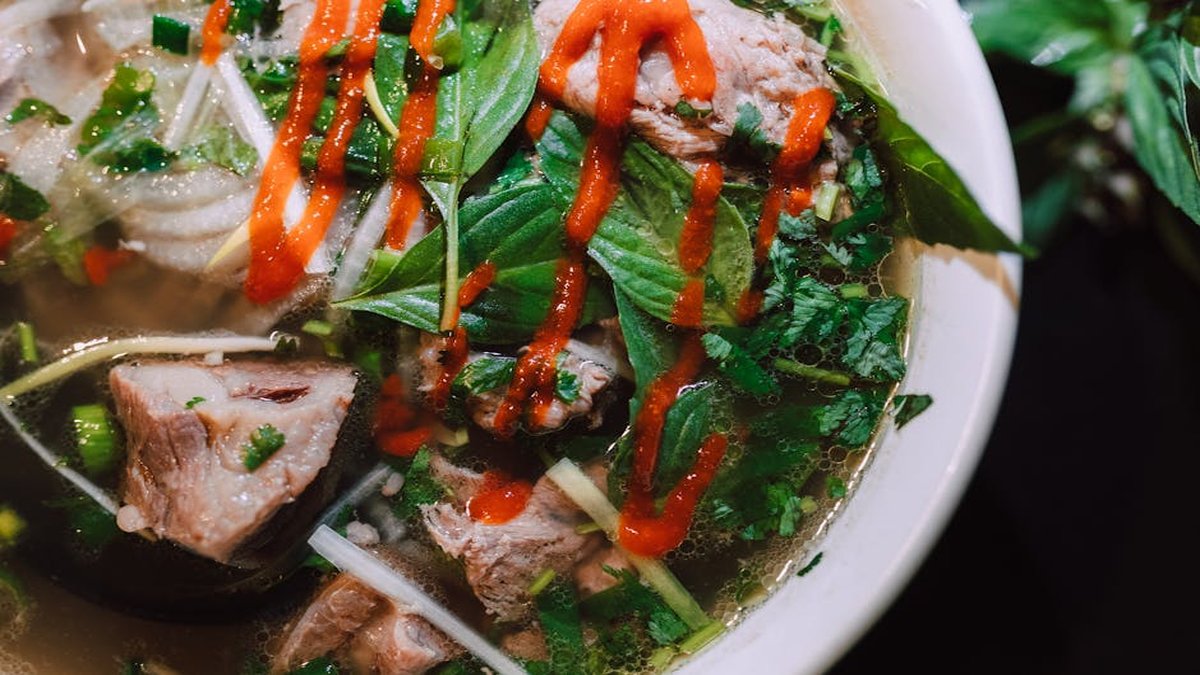
The Chinese organ clock (子午流注) maps each 2-hour period to a specific organ system. Understanding this helps identify which organ is causing your sleep disruption:
| Time | Organ | If You Wake Here, It Suggests... |
|---|---|---|
| 9-11 PM | San Jiao (Triple Burner) | Difficulty winding down — the body can't transition from Yang to Yin |
| 11 PM-1 AM | Gallbladder | Decision-making anxiety, Gallbladder Qi weakness, Liver-Gallbladder heat |
| 1-3 AM | Liver | Liver Qi Stagnation, anger/frustration, Liver Blood Deficiency |
| 3-5 AM | Lung | Grief, Lung Qi Deficiency, skin issues, early morning waking |
| 5-7 AM | Large Intestine | Bowel urgency, elimination patterns, waking too early |
The critical sleep window: TCM insists that the period from 11 PM to 3 AM is non-negotiable for deep sleep. This is when the Gallbladder and Liver regenerate Blood and process emotions. The Huangdi Neijing teaches that Liver Blood replenishment happens specifically during the Liver time (1-3 AM) — but only if you're asleep. People who habitually stay up past 11 PM miss the Gallbladder regeneration window, and those who are awake during 1-3 AM miss the Liver Blood replenishment cycle.
A survey from the China Sleep Research Association found that among Chinese adults aged 19-35, over 60% regularly sleep after midnight — a pattern TCM practitioners directly link to the rising incidence of Liver Blood Deficiency and Yin Deficiency patterns in younger populations.
Foods That Destroy Sleep (According to TCM)
Just as some foods promote sleep, others actively disrupt it:
1. Coffee and strong tea after 2 PM. Both are bitter and stimulating. TCM classifies coffee as warm and drying — it depletes Yin and stimulates Yang upward. Green tea is cooler but still activates the mind. After 2 PM, the body should begin its Yang-to-Yin transition. Stimulants interfere with this shift.
2. Alcohol. Despite seeming sedative, alcohol is hot and damp in TCM. It generates Liver heat and Stomach dampness — both of which disturb sleep. The initial sedation is followed by "rebound" waking as the body metabolizes alcohol and heat rises. TCM practitioners note that alcohol-related insomnia typically manifests as 1-3 AM waking (Liver time) — consistent with alcohol's burden on the Liver.
3. Spicy food at dinner. Pungent-hot foods (chili, Sichuan pepper, raw garlic) disperse Yang outward and upward — the opposite of what the body needs at night. Eating spicy food within 3 hours of bedtime keeps the body in a dispersing, Yang-dominant state.
4. Cold and raw food at night. While not stimulating, cold food damages Stomach Yang. The weakened Stomach generates turbid Qi that rises and disturbs sleep. This is the "胃不和则卧不安" mechanism — Stomach disharmony causes restless sleep.
5. Heavy, greasy food after 7 PM. Overloading the digestive system at night forces it to work when it should rest. The resulting food stagnation generates heat that rises to the Heart.
6. Excessive sweet food at night. Concentrated sugar generates Dampness and Phlegm in the Spleen. Phlegm can cloud the Heart orifices and prevent the spirit from settling — this causes bizarre dreams and restless, unrefreshing sleep.
The Evening Routine: TCM Sleep Hygiene
Food therapy works best as part of a broader TCM sleep protocol:
6:00-7:00 PM — Light dinner. Emphasize easily digestible foods: congee, light soups, steamed vegetables with small amounts of protein. Avoid heavy meat dishes, fried food, and spicy preparations. The congee therapy guide includes several evening-appropriate recipes.
7:00-8:00 PM — Digestive support. If dinner was heavier than intended, drink hawthorn or tangerine peel tea to promote digestion.
8:00-9:00 PM — Wind down. Brew your pattern-appropriate sleep tea (see recipes above). Dim the lights. TCM recommends reducing visual stimulation during this transition period.
9:00-9:30 PM — Foot bath (泡脚). Soak feet in warm water (40-42°C) for 15-20 minutes. Adding these herbs enhances the effect:
- For Yin Deficiency insomnia: add Chinese mugwort (艾叶) 30g
- For Liver Qi Stagnation insomnia: add rose petals 15g and vinegar 50ml
- For cold-constitution insomnia: add dried ginger 15g and cinnamon bark 10g
Foot soaking draws Yang energy downward from the head to the feet — exactly the direction needed for sleep. Multiple clinical studies from Chinese TCM hospitals have documented that regular foot bathing improves sleep onset time by 15-25 minutes on average.
10:00-10:30 PM — In bed. TCM insists on being asleep by 11 PM to catch the Gallbladder regeneration window. Falling asleep takes time, so getting into bed by 10-10:30 PM is necessary.
No screens. While not a traditional TCM recommendation (for obvious historical reasons), modern TCM practitioners universally advise avoiding screens for 30-60 minutes before bed. Blue light, like Yang energy, is stimulating and upward-moving — it counteracts the Yin-dominant state needed for sleep.
Seasonal Sleep Support
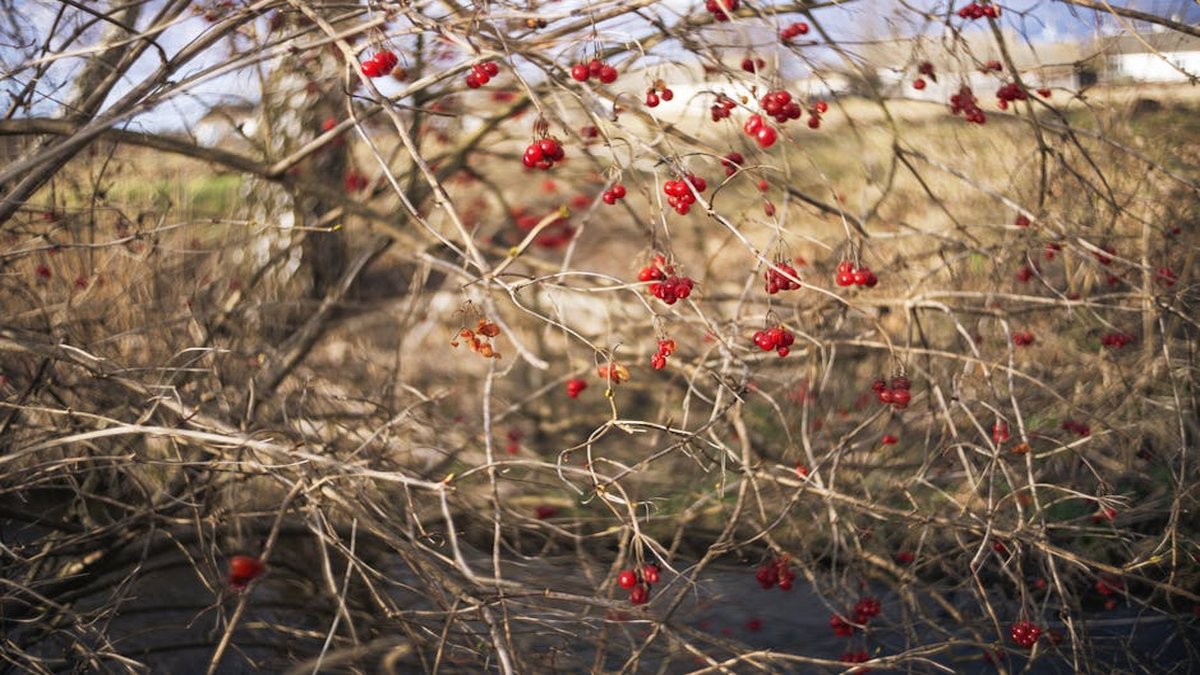
Sleep needs shift with the seasons:
Spring (春): The Liver is most active. Liver Qi Stagnation insomnia peaks. Increase Liver-soothing foods: rose tea, chrysanthemum, green vegetables. Sleep may naturally shorten as Yang rises — TCM recommends "sleeping late, rising early" in spring (relative to winter).
Summer (夏): Heart fire insomnia peaks. The Heart is the summer organ. Increase cooling, Heart-clearing foods: lotus seed hearts, mung beans, watermelon, bitter melon. A short afternoon nap (午休, 20-30 minutes) compensates for the naturally shorter summer nights.
Autumn (秋): Lung Yin Deficiency insomnia increases as dryness dominates. Dry cough waking and early morning waking are common. Increase moistening foods: pear, tremella, lily bulb, honey.
Winter (冬): Kidney Yang Deficiency affects sleep — cold feet and frequent nighttime urination disrupt sleep. Warm the Kidney: walnut, chestnut, lamb, foot soaking with ginger. TCM recommends "sleeping early, rising late" in winter to conserve Yang. See the seasonal eating calendar for month-by-month guidance.
7-Day Sleep Food Therapy Plan
For generally healthy people with mild to moderate sleep difficulty:
| Day | Evening Food | Sleep Tea/Drink | Pattern Addressed |
|---|---|---|---|
| Mon | Millet red date congee | Longan chrysanthemum tea | Heart-Spleen nourishment |
| Tue | Light fish soup with lily bulb | Sour jujube seed warm milk | Yin nourishment + spirit calming |
| Wed | Chinese yam lotus seed soup | Rose tea | Liver Qi soothing |
| Thu | Millet pumpkin congee | Longan lotus seed tea | Spleen support + Heart calming |
| Fri | Tremella goji berry sweet soup | Lily bulb warm water | Deep Yin nourishment |
| Sat | Light vegetable soup | Hawthorn tangerine peel tea | Digestive clearing |
| Sun | Eight treasure congee | Chrysanthemum goji tea | Comprehensive nourishment |
Follow this for 2-4 weeks alongside the evening routine protocol. Most people notice improvement in sleep onset time and dream intensity within 7-14 days.
When Food Therapy Isn't Enough
Food therapy is first-line support for mild sleep issues. Escalate when:
- Insomnia persists after 4 weeks of consistent food therapy and lifestyle adjustment — TCM herbal formulas like Suan Zao Ren Tang, Tian Wang Bu Xin Dan, or An Shen Ding Zhi Wan provide stronger therapeutic action
- Sleep apnea symptoms are present (snoring, gasping, daytime sleepiness) — requires medical evaluation
- Insomnia started after a specific event (trauma, medication change, diagnosis) — may need combined TCM and Western treatment
- Severe anxiety or depression accompanies insomnia — professional mental health support alongside food therapy
- Nighttime urination (nocturia) is the primary sleep disruptor — see our fatigue guide for Kidney Yang Deficiency management
The Constitution Quiz and Ingredient Lookup tools help refine your approach. But complex or chronic insomnia warrants a consultation with a qualified TCM practitioner who can assess your pulse, tongue, and full symptom picture.
Frequently Asked Questions
How quickly can food therapy improve my sleep?
Most people notice subtle improvements within 1-2 weeks: slightly easier time falling asleep, fewer mid-night wake-ups, or calmer dreams. Significant improvement in sleep quality typically takes 3-4 weeks of consistent practice. Heart-Spleen Deficiency and Stomach Disharmony patterns respond fastest. Yin Deficiency with Virtual Fire takes longest — Yin rebuilds slowly. The food therapy works best when combined with the evening routine (foot bath, sleep timing, light dinners).
Can I combine multiple sleep teas?
Stick to one or two primary teas per evening. Combining too many herbs creates conflicting actions — sour jujube seed nourishes, lotus heart drains, chrysanthemum clears. They work differently. Match your tea to your pattern. If you're unsure of your pattern, the safest universal choice is longan and red date tea — it gently nourishes without being too cooling or too warming.
Is warm milk an accepted sleep remedy in TCM?
Not traditionally — milk isn't part of the classical Chinese materia medica. However, modern TCM practitioners generally accept warm milk as mildly sleep-promoting due to its sweet, neutral nature and tryptophan content. For people with Spleen Dampness (bloating, loose stools, heavy feeling), milk may worsen symptoms by generating more dampness. In that case, millet congee is a better evening option than milk.
Should I avoid eating anything after 7 PM?
You don't need to fast completely, but keep evening eating light. A small bowl of congee, a cup of sleep tea with a few red dates, or a simple lily bulb and lotus seed soup are all appropriate evening options. The rule is: nothing heavy, nothing spicy, nothing cold, nothing greasy. The Stomach needs to be settled, not full.
Can children use these food therapy approaches for sleep?
Yes, with modifications. Children's insomnia most commonly relates to food stagnation (overeating before bed) or fright/emotional disturbance. For food stagnation: hawthorn and malt tea. For emotional disturbance: longan and lotus seed tea in small amounts. For general sleep support: millet congee with a few red dates. Avoid strong herbs like sour jujube seed in children under 6 unless recommended by a TCM pediatric practitioner.
Related Reading
- Food Therapy for Fatigue: What Chinese Medicine Recommends
- Congee Therapy: 20 Medicinal Porridge Recipes from Chinese Tradition
- The 9 TCM Body Constitutions: What Chinese Medicine Says About Your Diet
— The Yao Shan Guide Team