Medicinal Teas in Chinese Food Therapy: 15 Recipes for Common Conditions
This article is for educational purposes only and does not constitute medical advice. Medicinal teas contain pharmacologically active herbs that may interact with medications or be unsuitable for certain conditions. Consult a qualified TCM practitioner before using these recipes regularly, especially if you are pregnant, nursing, have chronic health conditions, or take prescription medications.

Quick Answer
- Medicinal tea (药茶) is one of the oldest forms of Chinese food therapy, with the earliest recorded recipe appearing in Zhang Yi's *Guangya* (《广雅》) during the Three Kingdoms period (3rd century CE) — and today China's herbal tea market exceeds ¥50 billion annually
- Unlike Western herbal teas chosen primarily for flavor, TCM medicinal teas are prescribed based on pattern differentiation (辨证论治) — matching the tea's thermal nature, flavor, and meridian affinity to the individual's specific constitutional imbalance
- The 15 recipes below cover the most common conditions treated with tea therapy: Qi Deficiency, Dampness, Liver Qi Stagnation, Blood Deficiency, insomnia, digestive weakness, immune support, eye strain, Kidney support, and seasonal ailments — each with exact ingredients, preparation methods, and contraindications
- Use the [Constitution Quiz](/tools/constitution-quiz) to identify which teas match your body type, and the [Ingredient Lookup](/tools/ingredient-lookup) for detailed properties of each herb
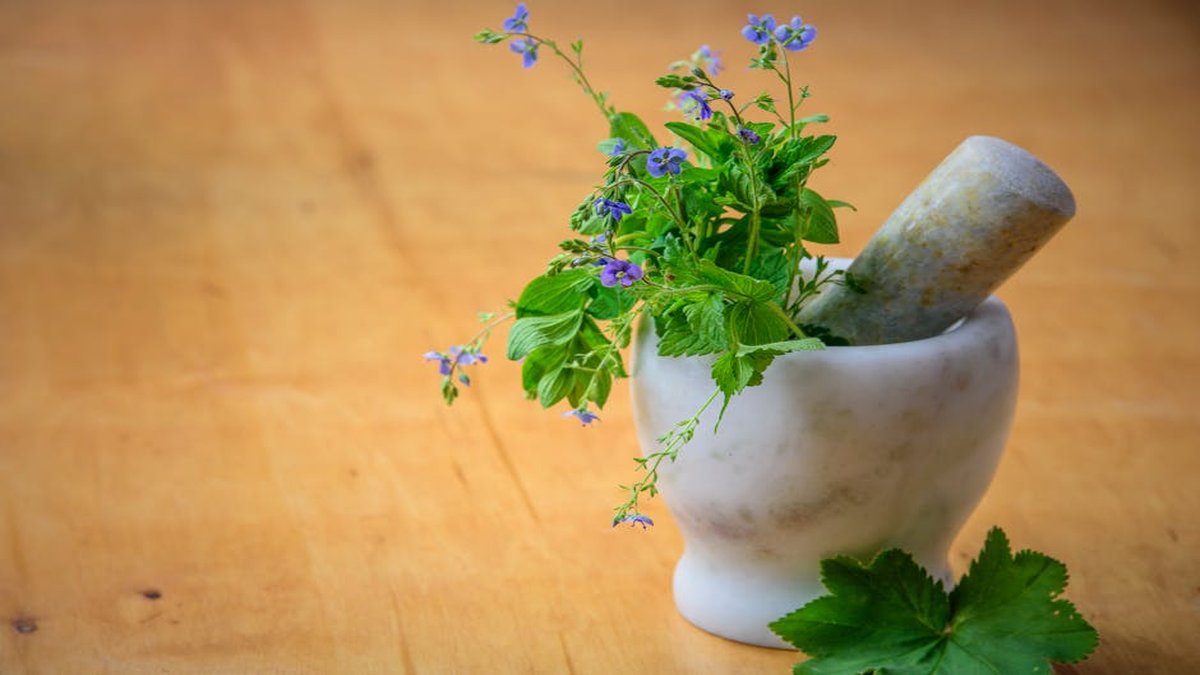
Photo by Couleur on Pixabay
This article is for educational purposes only and does not constitute medical advice. Medicinal teas contain pharmacologically active herbs that may interact with medications or be unsuitable for certain conditions. Consult a qualified TCM practitioner before using these recipes regularly, especially if you are pregnant, nursing, have chronic health conditions, or take prescription medications.
The Art of Medicinal Tea in Chinese Medicine
Tea drinking and medicine share the same origin in China. The legendary emperor Shennong (神农) — the mythical father of Chinese medicine — is said to have discovered both tea and herbal medicine while systematically tasting hundreds of plants. The boundary between "tea for pleasure" and "tea for medicine" has never been rigid in Chinese culture.
Medicinal tea (药茶, yào chá) refers to any therapeutic beverage made by steeping, boiling, or decocting herbs, flowers, roots, fruits, or seeds in hot water. It sits between regular tea drinking and formal herbal decoctions (汤药) — easier to prepare than a full prescription, more targeted than ordinary tea, and pleasant enough for daily consumption.
The Guangya (《广雅》), written by Zhang Yi during the Three Kingdoms period (approximately 230 CE), contains the earliest known record of medicinal tea preparation. By the Tang Dynasty (618-907 CE), the practice was widespread — Sun Simiao's Bei Ji Qian Jin Yao Fang (《备急千金要方》) documented numerous tea-based remedies. The Qing Dynasty saw the peak of medicinal tea culture, with imperial physicians maintaining extensive tea formularies for the royal family.
Modern TCM practitioners continue to prescribe medicinal teas as a first-line intervention for mild conditions and as complementary therapy for chronic issues. The approach has gained mainstream popularity in China: a 2024 industry report noted that the Chinese herbal wellness tea market grew by 18.6% year-over-year, driven by health-conscious millennials and Gen-Z consumers who prefer daily tea rituals over conventional supplements.
Why Tea Works as Medicine
The therapeutic mechanism of medicinal tea differs from herbal decoctions in several key ways:
- Lower concentration, longer exposure: Teas are weaker than decoctions but consumed throughout the day, providing a gentle, sustained therapeutic effect
- Better compliance: People are more likely to drink pleasant-tasting tea daily than bitter medicine
- Direct absorption: Hot liquid reaches the Stomach and Spleen quickly, and volatile oils from aromatic herbs are preserved better in steeping than in prolonged boiling
- Preventive focus: Medicinal teas excel at maintaining health and preventing disease progression, not just treating acute illness
How to Prepare Medicinal Tea Properly
The preparation method matters as much as the ingredients:
- Water temperature: Use freshly boiled water (100°C) for roots, seeds, and dried fruits. Use 85-90°C water for flowers and delicate leaves to preserve volatile oils
- Vessel: Glass, ceramic, or porcelain. Never use iron, aluminum, or plastic — metal vessels can react with herbal compounds. A thermos works well for keeping tea warm throughout the day
- Steeping time: 15-20 minutes minimum for most medicinal teas (much longer than regular tea). Hard roots and seeds benefit from 30+ minutes or brief boiling
- Refilling: Most recipes can be refilled with hot water 2-3 times throughout the day until the flavor fades
- Timing: Drink the first steep on an empty stomach for strongest effect. Continue sipping after meals for digestive teas
- Pre-rinse: Quickly rinse herbs with hot water first to remove dust and impurities, then discard this water before the actual steep
15 Medicinal Tea Recipes
Category 1: Qi-Tonifying Teas (补气茶)
Tea #1: Astragalus and Red Date Qi Tea (黄芪红枣茶)
Target condition: Qi Deficiency — chronic fatigue, weak voice, spontaneous sweating, frequent colds, shortness of breath on exertion.
Ingredients:
- Astragalus root (黄芪) — 15g
- Red dates (大枣) — 5, pitted and halved
- Goji berries (枸杞) — 10g
Preparation: Place astragalus and dates in a pot with 600ml water. Bring to boil, simmer 20 minutes. Add goji berries, steep 5 more minutes. Pour into thermos and drink throughout the day. Refill with hot water 1-2 times.
Why it works: Astragalus is classified as the #1 Qi-tonifying herb in the Shennong Bencao Jing. Research shows astragalus polysaccharides increase white blood cell activity and enhance immune function. Red dates reinforce Spleen Qi and nourish Blood. Goji berries add Liver and Kidney Yin support. Together, they build fundamental energy reserves.
Contraindications: Avoid during acute colds or infections (astragalus can "trap" pathogens inside). Not suitable for people with excess heat or Yin Deficiency with heat signs.
Duration: Drink daily for 2-4 weeks as a course. Rest 1 week between courses.
For more on fighting fatigue with food therapy, see our fatigue guide.
Tea #2: Codonopsis and Poria Spleen Tea (党参茯苓茶)
Target condition: Spleen Qi Deficiency — poor appetite, bloating after meals, loose stools, tiredness after eating.
Ingredients:
- Codonopsis root (党参) — 10g
- Poria (茯苓) — 10g
- White atractylodes (白术) — 8g
- Tangerine peel (陈皮) — 5g
Preparation: Add all herbs to 800ml water. Bring to boil, simmer 25 minutes. Strain into a thermos. Drink warm throughout the day.
Why it works: This is a tea adaptation of the Si Jun Zi Tang (Four Gentlemen Decoction), the foundational Spleen Qi formula in TCM. Codonopsis gently tonifies Qi (milder than ginseng, better suited for daily tea). Poria drains dampness. Atractylodes strengthens the Spleen's transformative capacity. Tangerine peel moves Qi and prevents the cloying quality of tonics.
Contraindications: Reduce dosage if you experience dry mouth or constipation (signs of Yin Deficiency aggravated by warm, drying herbs).
Duration: 3-4 times per week for ongoing Spleen support.
For more on spleen care, see our digestion and spleen stomach care guide.
Category 2: Dampness-Clearing Teas (祛湿茶)
Tea #3: Job's Tears and Red Bean Tea (薏米赤小豆茶)
Target condition: Dampness accumulation — heavy limbs, foggy thinking, loose stools, puffy face, thick greasy tongue coating, edema.
Ingredients:
- Job's tears (薏米) — 30g (dry-fried for cold constitutions)
- Red adzuki beans (赤小豆) — 20g
- Gordon euryale seeds (芡实) — 15g
Preparation: Soak Job's tears and red beans for 2 hours (or overnight). Add to 1000ml water with euryale seeds. Bring to boil, simmer 40 minutes until beans are soft. Drink the liquid throughout the day. The cooked beans can be eaten as well.
Why it works: This is the most popular dampness-clearing recipe in contemporary Chinese wellness culture — and for good reason. Job's tears promote urination and drain dampness through the water metabolism pathway. Red beans complement this by promoting fluid circulation. Euryale seeds anchor the Spleen so it can resume proper fluid transformation.
Contraindications: Raw Job's tears are slightly cold — pregnant women should avoid them (they can stimulate uterine contractions according to TCM). Use dry-fried version for cold constitutions.
Tea #4: Tangerine Peel and Poria Anti-Dampness Tea (陈皮茯苓茶)
Target condition: Spleen Dampness with Qi stagnation — abdominal bloating, nausea, poor appetite, white greasy tongue coating, chest oppression.
Ingredients:
- Aged tangerine peel (陈皮) — 10g (aged 3+ years preferred)
- Poria (茯苓) — 10g
- Fresh ginger (生姜) — 3 slices
Preparation: Add all ingredients to 500ml water. Bring to boil, simmer 15 minutes. Strain and drink warm. Best consumed in the morning.
Why it works: Chen Pi is the classic Qi-regulating herb for the middle burner — it dries dampness and promotes the smooth flow of digestive Qi. Poria drains accumulated dampness. Ginger warms the Stomach and assists the Spleen's Yang function. Simple, effective, and well-tolerated.
Duration: Daily for 1-2 weeks during acute dampness symptoms. Then as needed.
Category 3: Liver-Soothing Teas (疏肝茶)
Tea #5: Rose and Chrysanthemum Stress-Relief Tea (玫瑰菊花茶)
Target condition: Liver Qi Stagnation — irritability, mood swings, chest tightness, sighing, PMS-related symptoms, tension headaches.
Ingredients:
- Dried rose buds (玫瑰花) — 6-8 buds
- Chrysanthemum flowers (菊花) — 5g
- Goji berries (枸杞) — 8g
Preparation: Place all ingredients in a glass teapot or mug. Add 400ml water at 90°C (not boiling — to preserve the volatile oils). Steep 10-15 minutes covered. Refill 2-3 times.
Why it works: Rose flower is the premier Qi-moving, Liver-soothing herb in the food therapy category. It promotes the free flow of Liver Qi without being harsh or drying. Chrysanthemum clears Liver heat that often accompanies stagnation (manifesting as headaches and red eyes). Goji berries nourish Liver Yin to prevent the moving herbs from depleting the Liver's substance.
Contraindications: Reduce or avoid during menstruation — rose promotes blood circulation, which may increase flow. For more on women's health and food therapy, see our women's health guide.
Tea #6: Chrysanthemum and Cassia Seed Eye-Brightening Tea (菊花决明子茶)
Target condition: Liver fire affecting the eyes — eye strain, dry eyes, blurred vision, headaches from screen use, red irritated eyes.
Ingredients:
- Chrysanthemum flowers (菊花) — 8g
- Cassia seeds (决明子) — 10g (dry-fried)
- Goji berries (枸杞) — 8g
Preparation: Dry-fry cassia seeds in a dry pan until fragrant (2-3 minutes). Add all ingredients to 500ml boiling water. Steep 15-20 minutes. Drink throughout the day, refilling 2-3 times.
Why it works: In TCM, the eyes are the sensory organ of the Liver — "the Liver opens to the eyes" (肝开窍于目). Prolonged screen use depletes Liver Blood and Yin, generating heat that rises to the eyes. Chrysanthemum clears Liver heat and brightens the eyes. Cassia seeds clear Liver fire and moisten the intestines (important because Liver heat often causes constipation). Goji berries nourish Liver and Kidney Yin to address the root deficiency.
Duration: Excellent as a daily office tea for anyone who works on screens. One of the most commonly consumed medicinal teas in modern China.
Category 4: Blood-Nourishing Teas (补血茶)
Tea #7: Longan and Red Date Blood Tea (桂圆红枣茶)
Target condition: Blood Deficiency — pale complexion, dizziness, dry skin, brittle nails, light menstruation, insomnia, poor memory.
Ingredients:
- Dried longan fruit (桂圆) — 10g
- Red dates (大枣) — 6, pitted
- Goji berries (枸杞) — 10g
- Brown sugar (红糖) — 5g (optional)
Preparation: Halve the dates. Add longan and dates to 500ml water. Bring to boil, simmer 15 minutes. Add goji berries, steep 5 minutes. Add brown sugar if desired. Drink warm.
Why it works: Longan is the top food-grade Blood tonic in Chinese medicine — it nourishes Heart Blood and calms the spirit. Red dates tonify Spleen Qi and Blood simultaneously (Qi generates Blood, so you need both). Goji berries nourish Liver Blood and Kidney Essence. Brown sugar warms and activates Blood circulation.
Contraindications: Longan is warm in nature — avoid if you have excess heat, phlegm-dampness, or are experiencing a cold/flu. Reduce during hot summer months.
Best for: Women with Blood Deficiency patterns (see our women's health guide for more Blood-nourishing strategies), postpartum recovery, and anyone with chronic fatigue from Blood Deficiency.
Tea #8: Angelica and Ginger Women's Warming Tea (当归生姜茶)
Target condition: Blood Deficiency with Cold — menstrual cramps, delayed or scanty periods, cold hands and feet, pale complexion with cold symptoms.
Ingredients:
- Angelica root (当归) — 6g
- Fresh ginger (生姜) — 5 slices
- Red dates (大枣) — 4, pitted
- Brown sugar (红糖) — 10g
Preparation: Add angelica, ginger, and dates to 600ml water. Bring to boil, simmer 20 minutes. Add brown sugar, stir until dissolved. Drink warm.
Why it works: This is a simplified tea version of Dang Gui Sheng Jiang Yang Rou Tang, the classical formula from Zhang Zhongjing's Jin Gui Yao Lue (2nd century CE). Angelica is the "women's herb" in Chinese medicine — it tonifies Blood, activates circulation, and regulates menstruation. Ginger warms the uterus and disperses cold. Dates support Spleen Qi to generate Blood.
Contraindications: Avoid during heavy menstrual periods (angelica promotes circulation). Not suitable for people with Yin Deficiency heat or damp-heat patterns.
Best timing: Start 5-7 days before expected menstruation for PMS and cramp prevention.
Category 5: Sleep and Calm Teas (安神茶)
Tea #9: Sour Jujube Seed Sleep Tea (酸枣仁安眠茶)
Target condition: Insomnia from Blood Deficiency and Yin Deficiency — difficulty falling asleep, restless sleep, vivid dreams, anxiety at night, heart palpitations.
Ingredients:
- Sour jujube seeds (酸枣仁) — 15g, lightly crushed
- Lily bulb (百合) — 10g
- Longan fruit (桂圆) — 8g
- Wheat berry / Ophiopogon (麦冬) — 8g
Preparation: Lightly crush the jujube seeds (use a mortar and pestle or the flat of a knife). Add all ingredients to 600ml water. Bring to boil, simmer 25 minutes. Strain and drink 1-2 hours before bedtime.
Why it works: Sour jujube seed is the #1 sleep herb in Chinese medicine — it nourishes Heart Blood and Liver Blood, calming the spirit (安神). The famous formula Suan Zao Ren Tang from Zhang Zhongjing centers on this ingredient. Lily bulb clears residual heat and calms the Heart. Longan nourishes Blood. Wheat berry moistens Yin. Together, they address the TCM root cause of insomnia: insufficient Blood and Yin to anchor the spirit at night.
Duration: Nightly for 2-4 weeks for chronic insomnia. For more sleep strategies, see our sleep and rest guide.
Tea #10: Lavender and Rose Calming Tea (薰衣草玫瑰宁心茶)
Target condition: Stress-induced insomnia and anxiety — racing thoughts, inability to relax, emotional tension before bed.
Ingredients:
- Lavender flowers (薰衣草) — 3g
- Rose buds (玫瑰花) — 5 buds
- Chamomile flowers (洋甘菊) — 5g
- Honey — 5g (optional)
Preparation: Place all flowers in a teapot. Add 400ml water at 85°C. Steep 10 minutes covered. Add honey after steeping if desired. Drink 30-60 minutes before bed.
Why it works: This tea blends TCM and cross-cultural herbal wisdom. Rose buds soothe Liver Qi and relieve emotional tension. Lavender (increasingly used in modern TCM practice) calms the spirit through its aromatic properties — TCM categorizes aromatic herbs as having the ability to "open the orifices" and settle disturbed Shen. Chamomile contributes gentle Stomach-calming and anxiety-reducing effects.
Contraindications: None significant at these dosages. Safe for most adults.
Category 6: Immune and Seasonal Teas (防感茶)
Tea #11: Astragalus and Goji Immune Shield Tea (黄芪枸杞防感茶)
Target condition: Frequent colds and weak immunity — catching every bug, slow recovery from illness, Wei Qi (defensive Qi) deficiency.
Ingredients:
- Astragalus root (黄芪) — 15g
- Goji berries (枸杞) — 10g
- Chrysanthemum flowers (菊花) — 5g
- Licorice root (甘草) — 3g
Preparation: Simmer astragalus and licorice in 600ml water for 20 minutes. Add chrysanthemum and goji, steep 10 minutes. Drink daily during cold and flu season.
Why it works: Astragalus is the premier Wei Qi (defensive Qi) tonifier — it strengthens the body's surface defense system against external pathogens. A meta-analysis of 14 randomized controlled trials published in Chinese medical journals found that astragalus-based formulas reduced the incidence of upper respiratory infections by an average of 38% compared to controls. Goji and licorice support the formula's tonifying action. Chrysanthemum provides a mild cooling balance.
Contraindications: Do NOT take during an active cold — astragalus "closes the exterior" and can trap pathogens inside. Start this tea preventively, not reactively.
Best timing: Daily from October through March (cold season). Stop if you develop a cold and resume after recovery.
Tea #12: Honeysuckle and Forsythia Sore Throat Tea (金银花连翘茶)
Target condition: Early-stage wind-heat cold — sore throat, mild fever, yellow nasal discharge, thirst, slight cough.
Ingredients:
- Honeysuckle flower (金银花) — 10g
- Forsythia fruit (连翘) — 8g
- Mint leaves (薄荷) — 5g (add last)
- Licorice root (甘草) — 3g
Preparation: Simmer honeysuckle, forsythia, and licorice in 500ml water for 15 minutes. Turn off heat, add mint leaves, cover and steep 5 minutes (mint's volatile oils are destroyed by prolonged boiling). Strain and drink warm, 2-3 cups per day.
Why it works: This is a tea version of Yin Qiao San (银翘散), one of the most famous formulas in TCM for wind-heat patterns. Honeysuckle and forsythia are powerful heat-clearing, toxin-resolving herbs — they're the TCM equivalent of reaching for an antiviral at the first sign of a sore throat. Mint releases the exterior and benefits the throat. Licorice harmonizes and soothes inflammation.
Contraindications: This is a cooling formula — not appropriate for wind-cold patterns (chills, clear runny nose, body aches). Use ginger-scallion tea instead for wind-cold.
Category 7: Digestive and Specialty Teas (消食特色茶)
Tea #13: Hawthorn and Tangerine Peel Digestive Tea (山楂陈皮消食茶)
Target condition: Food stagnation after heavy meals — fullness, bloating, belching, discomfort after overeating, especially meat and greasy foods.
Ingredients:
- Dried hawthorn (山楂) — 15g
- Aged tangerine peel (陈皮) — 8g
- Barley malt (麦芽) — 10g
Preparation: Combine all ingredients in 500ml water. Bring to boil, simmer 15 minutes. Strain and drink warm after meals.
Why it works: Hawthorn is the most powerful food-stagnation resolver in TCM — it specifically targets undigested meat and fatty food, promoting gastric acid secretion and lipid metabolism. Modern pharmacological studies confirm that hawthorn extract reduces blood lipids and improves gastric motility. Tangerine peel moves Qi to relieve bloating. Malt digests starch-based stagnation.
Best use: Keep these ingredients on hand for after holiday meals and banquets. Brew within 2 hours of overeating for maximum effect. For a deeper dive into spleen and stomach care, see our digestion guide.
Tea #14: Black Bean and Black Sesame Kidney Tea (黑豆黑芝麻补肾茶)
Target condition: Kidney Essence Deficiency — premature graying, hair loss, weak knees and lower back, tinnitus, poor memory, early aging signs.
Ingredients:
- Black beans (黑豆) — 30g (dry-fried until fragrant)
- Black sesame seeds (黑芝麻) — 15g (dry-fried)
- Goji berries (枸杞) — 10g
- He Shou Wu / Fo-Ti (何首乌) — 10g (prepared/制, not raw)
Preparation: Dry-fry black beans and sesame seeds separately until fragrant. Simmer all ingredients in 800ml water for 30 minutes. Strain and drink throughout the day.
Why it works: TCM's "color-organ correspondence" associates black with the Kidney — black foods nourish Kidney Essence. Black beans tonify Kidney Yin and nourish Blood. Black sesame nourishes Liver and Kidney, benefits Essence, and moistens the intestines. Goji berries support Liver and Kidney Yin. He Shou Wu (prepared form only) tonifies Liver Blood and Kidney Essence — it's the most famous longevity herb in Chinese medicine for hair and aging.
Contraindications: Use ONLY prepared He Shou Wu (制何首乌), never raw — raw He Shou Wu is a laxative and can cause liver toxicity. If unsure, omit it and the tea still works.
Tea #15: Mulberry Leaf and Loquat Lung-Moistening Tea (桑叶枇杷叶润肺茶)
Target condition: Dry cough from Lung Yin Deficiency or autumn dryness — dry nonproductive cough, dry throat, dry skin, thirst.
Ingredients:
- Mulberry leaves (桑叶) — 8g
- Loquat leaves (枇杷叶) — 8g (brush off the fine hairs on the back)
- Lily bulb (百合) — 10g
- Pear (梨) — 1, sliced (optional but recommended)
Preparation: If using pear, simmer pear slices in 600ml water for 10 minutes first. Add remaining herbs, simmer another 15 minutes. Strain and drink warm. Can add a small amount of honey after cooling slightly.
Why it works: Mulberry leaf clears Lung heat and moistens dryness — it's the lead herb in Sang Xing Tang (桑杏汤), the classical formula for autumn dryness. Loquat leaf descends Lung Qi to stop cough (Lung Qi should descend; coughing is rebellious, upward Qi). Lily bulb nourishes Lung Yin. Pear is the #1 fruit for moistening the Lung in TCM — the Bencao Gangmu calls it "the fruit of the hundred fruits" for respiratory health. Read more about seasonal eating in our seasonal eating calendar.
Best timing: Autumn (when dryness pathogen is strongest) or any time dry cough presents.
How to Choose the Right Tea for Your Constitution
Not every tea works for every person. The wrong tea can actually make symptoms worse. Here's a quick guide based on the nine TCM body constitutions (for a full breakdown, see our nine TCM body constitutions guide):
| Body Constitution | Recommended Teas | Teas to Avoid |
|---|---|---|
| Qi Deficiency (气虚质) | #1, #2, #11 | #12 (too cooling) |
| Yang Deficiency (阳虚质) | #1, #2, #8 | #3 (cold nature), #12 |
| Yin Deficiency (阴虚质) | #6, #9, #15 | #1 in excess (too warm), #8 |
| Phlegm-Dampness (痰湿质) | #3, #4, #13 | #7 (too cloying), #14 |
| Damp-Heat (湿热质) | #3, #6, #12 | #1, #7, #8 (all too warm) |
| Blood Stasis (血瘀质) | #5, #8 | None specifically |
| Qi Stagnation (气郁质) | #5, #10 | Heavy tonics (#1, #2) |
| Special/Allergic (特禀质) | #11 (preventive) | Start any new tea at half dose |
| Balanced (平和质) | All teas in moderation | None — rotate seasonally |
Safety Guidelines for Medicinal Tea
General Rules
- Start low. When trying any new medicinal tea, start with half the recommended dosage for 2-3 days. If no adverse reaction, increase to full dose.
- Course-based consumption. Most therapeutic teas should be consumed in courses: 2-4 weeks on, 1 week rest. Daily teas (#6 eye tea, simple chrysanthemum tea) are exceptions.
- Watch your tongue. Your tongue coating is the fastest feedback mechanism. If it becomes yellow and greasy (heat/dampness) or pale and wet (too much cold), adjust your tea selection.
- Don't mix too many herbs. Stick to 3-5 ingredients per tea. Complex formulas should be prescribed by a practitioner.
- Time matters. Tonifying teas are best in the morning. Calming teas before bed. Digestive teas after meals. Clearing teas between meals.
- Pregnancy caution. Many herbs are contraindicated during pregnancy. Consult a practitioner before using any medicinal tea while pregnant.
Herb-Drug Interactions to Know
- Astragalus may interact with immunosuppressants and lithium
- Angelica (当归) increases bleeding risk with blood thinners (warfarin, aspirin)
- Licorice can raise blood pressure and interact with diuretics and heart medications
- Cassia seeds have a mild laxative effect and may potentiate the effects of laxative medications
- He Shou Wu (even prepared form) can affect liver function — do not combine with hepatotoxic medications
Always inform your physician about any herbal teas you consume regularly, especially before surgery.
Frequently Asked Questions
Can I drink medicinal tea every day?
It depends on the tea. Mild, food-grade teas — like chrysanthemum with goji berries (#6), rose tea (#5), or red date tea (#7) — are generally safe for daily consumption by most adults. Stronger therapeutic teas containing potent herbs like astragalus, angelica, or He Shou Wu should be consumed in 2-4 week courses with rest periods. The key principle: if the tea addresses an acute condition, stop when the condition resolves. If it supports a chronic constitutional pattern, use course-based consumption.
What's the difference between medicinal tea and a herbal decoction (汤药)?
Concentration and intent. A herbal decoction boils 10-20 herbs in water for 30-60 minutes, producing a strong, concentrated medicine typically consumed twice daily for a specific diagnosed condition. A medicinal tea uses fewer herbs (2-5), is steeped or lightly simmered, and is consumed more casually throughout the day. Decoctions treat disease. Medicinal teas maintain health, prevent disease, and support the body during mild imbalances. Think of it as the difference between taking prescription medication and drinking a daily wellness beverage.
Can children drink medicinal teas?
Children over age 6 can drink mild medicinal teas at half the adult dosage. Stick to gentle, food-grade ingredients: red dates, goji berries, chrysanthemum, hawthorn, and malt. Avoid potent herbs (astragalus in large doses, angelica, He Shou Wu) for children unless prescribed by a pediatric TCM practitioner. For children under 6, consult a practitioner first. See our children's food therapy guide for pediatric-specific recommendations.
Is it okay to mix Western tea (green tea, black tea) with medicinal herbs?
In general, TCM practitioners advise against mixing Camellia sinensis tea (green, black, oolong) with medicinal herbs. The tannins in tea can bind to certain herbal compounds and reduce their effectiveness. If you want to drink regular tea and medicinal tea, separate them by at least 1-2 hours. There are some exceptions — green tea combined with chrysanthemum is a traditional combination in Chinese tea culture.
How do I store dried herbs for medicinal tea?
Keep dried herbs in airtight glass or ceramic containers, away from direct sunlight, moisture, and heat. Most dried herbs maintain potency for 6-12 months when stored properly. Flowers (chrysanthemum, rose, lavender) are more fragile — use within 6 months. Roots and seeds (astragalus, cassia seeds, jujube seeds) last longer — up to 12-18 months. Discard any herbs that develop mold, unusual odor, or insect damage. Buy from reputable TCM herbal suppliers, not random online marketplaces — herb quality varies enormously.
Related Reading
- Top 10 Chinese Medicinal Foods Guide
- Chinese Herbal Soup Recipes: Seasonal
- Five Flavors in Chinese Medicine: Taste and Organs
— The Yao Shan Guide Team