Chinese Food Therapy for Children: What Chinese Pediatric TCM Recommends
This article is for educational purposes only and does not constitute medical advice. Children's health requires special caution — the recipes below use traditional food-grade ingredients, but every child is different. Consult a qualified pediatric TCM practitioner or pediatrician before introducing medicinal foods, especially for children under 3 years, children with chronic conditions, allergies, or those taking medication. Never delay seeking medical attention for acute illness in children.

Quick Answer
- Children's digestive systems are described in TCM as "Spleen is often insufficient" (脾常不足) — meaning the Spleen and Stomach haven't fully matured, making children inherently more vulnerable to digestive problems than adults, with Chinese epidemiological data showing approximately 23.6% of children aged 6-17 experience functional digestive disorders
- The top three pediatric food therapy targets are food stagnation (食积, the #1 issue — caused by overfeeding), Spleen Qi Deficiency (脾气虚, chronic poor appetite and loose stools), and Spleen Deficiency with Dampness (脾虚湿困, recurring phlegm and mucus production)
- Key child-friendly medicinal foods include hawthorn berries (山楂), millet (小米), Chinese yam (山药), lotus seeds (莲子), red dates (大枣), white rice congee, and the famous *Jiao San Xian* (焦三仙) combination — all gentle, food-grade ingredients safe for children over 1 year
- Use the [Constitution Quiz](/tools/constitution-quiz) to understand your child's body type and the [Ingredient Lookup](/tools/ingredient-lookup) for detailed information on each ingredient before starting food therapy
Photo by Vu_Pham on Pixabay
This article is for educational purposes only and does not constitute medical advice. Children's health requires special caution — the recipes below use traditional food-grade ingredients, but every child is different. Consult a qualified pediatric TCM practitioner or pediatrician before introducing medicinal foods, especially for children under 3 years, children with chronic conditions, allergies, or those taking medication. Never delay seeking medical attention for acute illness in children.
Why Children Are Different in Chinese Medicine
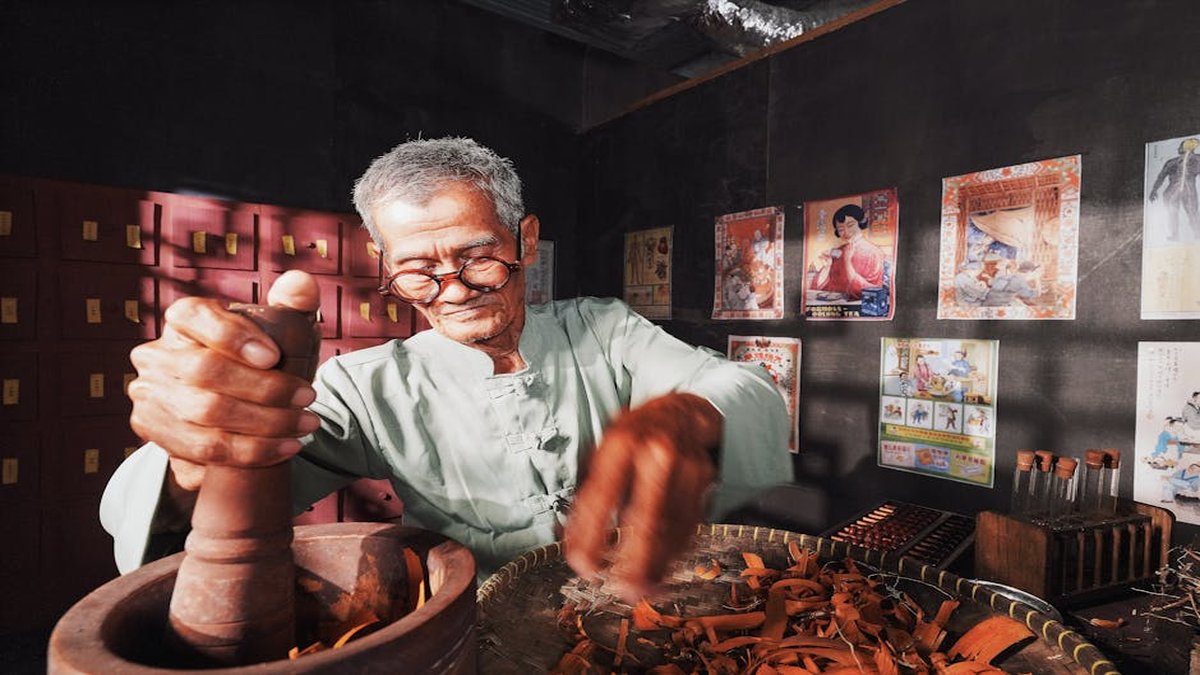
Walk into a TCM pediatric clinic in China and you'll hear a phrase repeated constantly: "小儿脾常不足,肝常有余" — the child's Spleen is often insufficient, and the Liver is often in excess. This single observation, first articulated by the Ming Dynasty pediatric physician Wan Quan (万全, 1499-1582), shapes the entire approach to children's food therapy.
What does it mean in practice?
The Spleen — the organ system responsible for transforming food into Qi and Blood — is not yet fully developed in children. It has less functional capacity than an adult's Spleen. At the same time, the Liver (which governs growth, movement, and emotional expression) is relatively overactive, driving rapid growth and emotional intensity. This imbalance creates a specific set of vulnerabilities:
- The Spleen can't keep up with the Liver's demands. The Liver pushes growth. Growth requires nutrients. The immature Spleen can't always supply them fast enough.
- Children are easily overfed. Parents and grandparents (especially in Chinese culture) often push children to eat more than their Spleen can process, creating food stagnation.
- Digestive problems cascade quickly. In adults, mild Spleen weakness causes bloating. In children, the same level of weakness can cause failure to thrive, recurrent infections, and developmental delays — because the child is in a phase of rapid growth that depends entirely on Spleen function.
The famous Qing Dynasty pediatric text You Ke Za Bing Xin Fa Yao Jue (《幼科杂病心法要诀》) states: "脾胃壮实,四肢安宁;脾胃虚弱,百病蜂起" — when the Spleen and Stomach are strong, the four limbs are at peace; when the Spleen and Stomach are weak, a hundred diseases arise.
Modern data confirms the clinical significance. A study published in the Chinese Journal of Child Health Care found that approximately 23.6% of Chinese children aged 6-17 experience functional digestive disorders including functional dyspepsia and irritable bowel syndrome. Among preschool children (3-6 years), a Shanghai-based epidemiological study found that 15-20% showed signs of chronic digestive difficulties. In rural areas, the rate climbs to approximately 25%, likely due to dietary quality differences.
The Three Most Common Pediatric Digestive Patterns
Pattern 1: Food Stagnation (食积/食滞)
The #1 pediatric digestive complaint in TCM clinics.
Food stagnation means the child has eaten more than their Spleen can process. The food sits in the Stomach, undigested, generating heat, gas, and discomfort. In traditional Chinese pediatric terminology, this is called "伤食" (food damage).
Symptoms:
- Abdominal distension (belly looks and feels bloated)
- Refusing to eat, loss of appetite
- Bad breath (a key diagnostic sign in pediatric TCM)
- Restless sleep, crying at night
- Belching with a sour or rotten smell
- Vomiting of undigested food
- Stools that smell unusually foul
- Yellow, greasy tongue coating
Common causes:
- Overeating — especially when grandparents insist the child "多吃点" (eat more)
- Eating too fast without chewing properly
- Excessive snacking between meals
- Too much meat, dairy, or fried food in a single sitting
- Eating right before bed
Food therapy approach: Dissolve the stagnation with digestive foods. Temporarily reduce food intake. No tonics — adding more nutrition on top of stagnation makes things worse. The classic pediatric remedy is Jiao San Xian (焦三仙).
Pattern 2: Spleen Qi Deficiency (脾气虚)
The chronic, underlying weakness.
While food stagnation is an acute episode, Spleen Qi Deficiency is the chronic state — the child's Spleen is constitutionally weak and can't produce enough Qi and Blood from food over the long term.
Symptoms:
- Chronically poor appetite (pickiness is often a sign)
- Thin build, failure to gain weight
- Pale or sallow complexion
- Loose or unformed stools
- Fatigue, low energy, preference for quiet activities
- Catches colds easily (Wei Qi depends on Spleen Qi)
- Sweats easily, especially during sleep (盗汗)
- Pale tongue with thin white coating
Common causes:
- Constitutional weakness (premature birth, low birth weight)
- Previous illness that damaged the Spleen
- Chronic improper feeding (too much cold food, snacking, or junk food)
- Repeated use of antibiotics (damaging "Spleen" function in TCM terms)
- Emotional stress (parental conflict, school pressure)
Food therapy approach: Gently tonify the Spleen with warm, easy-to-digest foods. Build Qi gradually. Don't force-feed — the Spleen needs space to recover.
Pattern 3: Spleen Deficiency with Dampness and Phlegm (脾虚痰湿)
The phlegm-producing child.
When Spleen weakness persists, the Spleen can't transform fluids properly. Fluids accumulate as dampness, which condenses into phlegm. This is the child who always has a runny nose, chronic cough with mucus, or recurrent ear infections.
Symptoms:
- Chronic runny nose or nasal congestion
- Cough with white or clear phlegm
- Puffy face, especially upon waking
- Heavy, sluggish demeanor
- Poor appetite with nausea
- Loose, sticky stools
- Thick, white, greasy tongue coating
- Recurrent upper respiratory infections with phlegm
Common causes:
- Chronic Spleen Qi Deficiency (Pattern 2) that wasn't addressed
- Excessive dairy consumption (milk and cheese are dampness-producing in TCM)
- Too much sugar and sweet snacks (sugar generates dampness)
- Cold foods and drinks — ice cream, cold milk, frozen treats
Food therapy approach: Strengthen the Spleen and dry dampness simultaneously. Reduce dairy, sugar, and cold foods. Introduce poria, Job's tears, and tangerine peel.
The Pediatric Food Therapy Medicine Cabinet: 12 Child-Safe Ingredients

Before the recipes, here are the 12 ingredients every parent should keep on hand for children's food therapy. All are food-grade and safe for children over 1 year.
For Food Stagnation (消食类)
1. Hawthorn Berry (山楂) Nature: Sour, sweet, slightly warm. The #1 food stagnation remedy for children. Breaks down meat and fatty food. Stimulates appetite. Children generally like its sour-sweet flavor — it's the basis of the famous Chinese candied hawthorn snack (糖葫芦). Use dried hawthorn for medicinal purposes. Dosage for children: 5-10g per day.
2. Barley Malt (麦芽) Nature: Sweet, neutral. Specifically digests starches and grains. When a child has eaten too much rice, noodles, or bread, malt is the targeted remedy. Also helps with milk stagnation in infants (乳食停滞). Dosage: 5-10g per day.
3. Chicken Gizzard Lining (鸡内金) Nature: Sweet, neutral. The inner lining of chicken gizzards is a powerful digestive herb. It dissolves food stagnation and strengthens the Stomach's digestive capacity. Can be ground into powder and mixed into food. Dosage: 3-6g per day (as powder).
For Spleen Strengthening (健脾类)
4. Chinese Yam (山药) Nature: Sweet, neutral. The safest, most gentle Spleen tonic for children. Neutral temperature means it won't create heat or cold. Tonifies Spleen, Lung, and Kidney simultaneously. Fresh yam can be steamed, mashed, or added to congee — most children accept the mild, slightly sweet flavor. Dosage: 30-100g fresh, or 10-15g dried.
5. Lotus Seeds (莲子) Nature: Sweet, astringent, neutral. Strengthens the Spleen, stops diarrhea, and calms an irritable child. The astringent quality is particularly useful for chronic loose stools. Dosage: 10-15g per day.
6. Gordon Euryale Seeds (芡实) Nature: Sweet, astringent, neutral. Consolidates the Spleen and stops diarrhea. Works synergistically with lotus seeds and yam in the Four Spirit Soup — the #1 pediatric Spleen-tonifying recipe. Dosage: 10-15g per day.
7. Millet (小米) Nature: Sweet, neutral. The gentlest grain for a child's weak Spleen. Millet congee is the default food for any pediatric digestive complaint. Easy to digest, nourishing, and almost universally tolerated. Dosage: 30-80g per day in congee.
For Dampness and Phlegm (化湿祛痰类)
8. Poria (茯苓) Nature: Sweet, bland, neutral. Drains dampness without injuring the body — the safest dampness-clearing ingredient for children. Does not have the cold nature of Job's tears, making it more suitable for children's constitutions. Dosage: 5-10g per day.
9. Tangerine Peel (陈皮) Nature: Pungent, bitter, warm. Moves Qi, dries dampness, and transforms phlegm. A small amount added to soups and congees improves digestion and prevents dampness accumulation. Most children tolerate the flavor when it's cooked into food. Dosage: 3-5g per day.
10. White Hyacinth Bean (白扁豆) Nature: Sweet, slightly warm. A mild Spleen tonic that also resolves dampness. Gentler than Job's tears (which can be too cold for children). Good for summer dampness when children lose appetite in hot weather. Dosage: 10-15g per day.
For General Support (辅助类)
11. Red Dates (大枣) Nature: Sweet, warm. Children love the natural sweetness. Tonifies Spleen Qi and nourishes Blood. Adds palatability to otherwise bland medicinal foods. A few dates can make a child accept an entire bowl of therapeutic congee. Dosage: 3-5 per day.
12. Fresh Ginger (生姜) Nature: Pungent, slightly warm. Warms the Stomach, stops nausea, and aids digestion. Use in small amounts in children's soups and congees. Particularly useful when a child has been eating too much cold food or is showing signs of cold-dampness (clear runny nose, loose watery stools). Dosage: 2-3 thin slices in cooked dishes.
10 Pediatric Food Therapy Recipes
Recipes for Food Stagnation (消食方)
Recipe 1: Jiao San Xian Digestive Water (焦三仙消食水)
Target: Acute food stagnation — child ate too much, belly is bloated, refusing food, bad breath.
Ages: 1 year and up.
Ingredients:
- Dry-fried hawthorn (焦山楂) — 8g
- Dry-fried malt (焦麦芽) — 8g
- Dry-fried medicated leaven (焦神曲) — 8g
Method:
- Place all three ingredients in 500ml water.
- Bring to boil, simmer 15 minutes.
- Strain. Cool to warm temperature.
- Give the child small sips throughout the day.
Dosage by age:
- 1-3 years: 50-80ml, 2-3 times daily
- 3-6 years: 80-120ml, 2-3 times daily
- 6-12 years: 120-200ml, 2-3 times daily
Why it works: Jiao San Xian is the most commonly prescribed food stagnation remedy in TCM pediatrics — virtually every TCM pediatrician uses it as a first-line treatment. The "焦" (dry-fried) processing enhances the digestive properties. Hawthorn dissolves meat stagnation. Malt dissolves starch stagnation. Medicated leaven dissolves general food stagnation. Together, they cover all food types.
Duration: 1-3 days for acute episodes. If stagnation doesn't resolve within 3 days, consult a practitioner — there may be an underlying Spleen weakness.
Recipe 2: Hawthorn and Rice Sprout Tea (山楂谷芽茶)
Target: Mild food accumulation — child has reduced appetite after a big meal or holiday eating.
Ages: 2 years and up.
Ingredients:
- Hawthorn (山楂) — 6g
- Rice sprouts (谷芽) — 8g
- Tangerine peel (陈皮) — 3g
- Rock sugar — small amount
Method:
- Combine hawthorn, rice sprouts, and tangerine peel in 400ml water.
- Bring to boil, simmer 10 minutes.
- Strain. Add a small amount of rock sugar for palatability.
- Serve warm.
Why it works: A milder version of Jiao San Xian suitable for everyday use. The sour-sweet flavor is appealing to children. Tangerine peel adds Qi-moving action to relieve bloating.
Recipes for Spleen Strengthening (健脾方)
Recipe 3: Four Spirit Soup for Children (儿童四神汤)
Target: Chronic Spleen Qi Deficiency — poor appetite, thin build, loose stools, fatigue, catches colds easily.
Ages: 2 years and up.
Ingredients:
- Chinese yam (淮山) — 15g
- Lotus seeds (莲子) — 15g (core removed)
- Gordon euryale seeds (芡实) — 15g
- Poria (茯苓) — 10g
- Lean pork ribs — 200g (optional for vegetarian version)
- Water — 800ml
Method:
- Soak herbs for 20 minutes.
- Blanch pork ribs if using.
- Combine all ingredients in pot.
- Bring to boil, simmer 60-90 minutes.
- Season with minimal salt.
Dosage by age:
- 2-4 years: 100-150ml soup, 3-4 times weekly
- 4-8 years: 150-200ml soup, 3-4 times weekly
- 8-12 years: 200-300ml soup, 3-4 times weekly
Why it works: The Four Spirit Soup is considered the most balanced pediatric Spleen-tonifying formula in food therapy. All four ingredients are neutral in temperature and gentle in action — they strengthen without overstimulating. Taiwanese pediatric TCM practitioners particularly favor this formula, and it's widely consumed as a preventive food across Chinese communities. For more on this combination, see our digestion guide.
Recipe 4: Millet and Yam Congee (小米山药粥)
Target: General Spleen support — daily digestive maintenance, recovery from illness, improving appetite.
Ages: 8 months and up (as weaning food).
Ingredients:
- Millet (小米) — 40g
- Chinese yam (山药) — 50g fresh, peeled and diced small
- Water — 600ml
Method:
- Rinse millet.
- Add millet and water to pot. Bring to boil.
- Add yam. Reduce heat to low simmer.
- Cook 30-40 minutes, stirring occasionally, until smooth.
Why it works: This is the simplest, safest pediatric food therapy recipe. Millet is the gentlest grain for immature digestive systems. Yam tonifies the Spleen without any thermal bias. Together, they create a bland, nourishing congee that even the most finicky eater can tolerate. This congee can be the base for adding other ingredients (dates, pumpkin, lotus seeds) as the child grows.
Frequency: Can be served daily as breakfast or snack.
Recipe 5: Red Date and Yam Steamed Cake (红枣山药蒸糕)
Target: Spleen Qi Deficiency in children who refuse soups and congees — disguised food therapy.
Ages: 2 years and up.
Ingredients:
- Chinese yam (山药) — 200g
- Red dates (大枣) — 8, pitted
- Glutinous rice flour — 30g
- A tiny amount of honey or sugar (optional)
Method:
- Steam yam until very soft (15-20 minutes). Mash smooth.
- Steam and chop dates finely (or blend into paste).
- Mix yam, dates, and glutinous rice flour into a dough.
- Press into small cake shapes in a steamer tray.
- Steam 15 minutes.
- Cool slightly before serving.
Why it works: Many children reject medicine-tasting foods. This recipe turns Spleen-tonifying yam and Qi-building dates into a sweet, cake-like snack that children willingly eat. The glutinous rice flour provides warmth and binding. Grandparents in China have made versions of this for centuries — it's folk wisdom formalized as food therapy. For more on Qi-building foods, see our Qi-building guide.
Recipe 6: Chicken Gizzard Lining Powder with Rice (鸡内金粉拌饭)
Target: Chronic poor appetite with food stagnation tendency — the child who never seems hungry and has a bloated belly.
Ages: 1 year and up.
Ingredients:
- Dried chicken gizzard lining powder (鸡内金粉) — 2-3g
- Cooked white rice or congee — 1 serving
Method:
- Purchase pre-ground chicken gizzard lining powder from a TCM pharmacy.
- Mix 2-3g into the child's rice or congee.
- The powder is nearly tasteless and dissolves into the food.
Why it works: Chicken gizzard lining (鸡内金) is one of the most prescribed pediatric digestive aids in TCM. It simultaneously dissolves existing food stagnation AND strengthens the Stomach's digestive capacity — addressing both the symptom and the cause. The powder form is practical because it can be hidden in any food. TCM pediatricians often prescribe this as a 2-4 week course for children with chronic poor appetite.
Duration: Daily for 2-4 weeks as a course. Rest 1-2 weeks between courses.
Recipes for Dampness and Phlegm (化湿祛痰方)
Recipe 7: Poria and White Hyacinth Bean Congee (茯苓白扁豆粥)
Target: Spleen Deficiency with Dampness — chronic loose stools, puffy face, thick white tongue coating, sluggishness.
Ages: 2 years and up.
Ingredients:
- Poria (茯苓) — 10g (ground or thin slices)
- White hyacinth beans (白扁豆) — 15g (soaked overnight)
- White rice (粳米) — 40g
- Water — 600ml
Method:
- If using poria slices, simmer in water for 20 minutes, strain, and use the liquid. If using poria powder, add directly.
- Combine rice, beans, and poria liquid with water.
- Cook into smooth congee (40-50 minutes).
Why it works: Poria is the safest dampness-draining ingredient for children — neutral temperature, no harsh drying action. White hyacinth beans gently strengthen the Spleen while resolving dampness. Rice anchors the Spleen. This congee is mild enough for long-term use in children with chronic dampness patterns.
Recipe 8: Tangerine Peel and Pear Phlegm-Clearing Soup (陈皮雪梨汤)
Target: Spleen-generated phlegm — chronic runny nose, cough with white/clear phlegm, phlegm in the throat.
Ages: 2 years and up.
Ingredients:
- Pear (雪梨) — 1, cored and cut into quarters
- Tangerine peel (陈皮) — 5g
- Poria (茯苓) — 8g
- Rock sugar — small amount
Method:
- Add poria to 600ml water. Simmer 15 minutes.
- Add pear and tangerine peel. Simmer 20 minutes.
- Add rock sugar. Stir to dissolve.
- Serve warm. The child can eat the pear pieces too.
Why it works: This recipe works on two levels. Tangerine peel and poria address the Spleen-dampness root (drying dampness and strengthening transportation). Pear addresses the phlegm symptom (moistening the Lung and transforming phlegm). The combination breaks the Spleen weakness → dampness → phlegm cycle that traps many children in recurrent respiratory issues.
Recipes for Seasonal and General Support (四季调养方)
Recipe 9: Summer Appetite-Boosting Congee (夏季开胃粥)
Target: Summer heat loss of appetite — child refuses food in hot weather, feels nauseous, sluggish.
Ages: 1 year and up.
Ingredients:
- Millet (小米) — 40g
- Job's tears (薏米) — 15g (dry-fried for children under 3)
- Lotus seeds (莲子) — 10g
- Red dates (大枣) — 3, pitted
- Water — 800ml
Method:
- Soak Job's tears and lotus seeds for 1 hour.
- Combine all ingredients with water.
- Bring to boil, simmer 45 minutes.
- Serve warm (not cold — even in summer).
Why it works: Summer heat and dampness combine to suppress children's appetites. Job's tears clear summer dampness. Millet and lotus seeds strengthen the Spleen. Dates provide gentle sweetness and Qi support. This congee is a standard summer breakfast in Chinese pediatric food therapy. For seasonal eating guidelines, see our seasonal eating calendar.
Recipe 10: Winter Immune-Building Soup (冬季增免汤)
Target: Frequent winter colds — child who catches every cold and flu at school, slow recovery.
Ages: 3 years and up.
Ingredients:
- Chicken drumstick or thigh — 1 piece
- Astragalus (黄芪) — 10g (smaller dose than adult)
- Chinese yam (山药) — 50g
- Red dates (大枣) — 4, pitted
- Goji berries (枸杞) — 8g
- Fresh ginger — 2 slices
- Water — 600ml
Method:
- Blanch chicken. Rinse.
- Combine chicken, astragalus, yam, dates, and ginger in pot.
- Add water. Bring to boil, simmer 60 minutes.
- Add goji berries in last 5 minutes.
- Season with minimal salt.
Dosage by age:
- 3-6 years: 100-150ml soup, 2-3 times weekly
- 6-12 years: 150-250ml soup, 2-3 times weekly
Why it works: Astragalus strengthens Wei Qi (defensive Qi) — the TCM equivalent of boosting the immune system. Chicken tonifies Spleen and Stomach Qi. Yam supports the Spleen and Lung. This soup is preventive medicine: serve it regularly through winter to build resistance, not during an active cold. For more on astragalus and immune support, see our top 10 medicinal foods guide.
Important: Stop this soup if the child develops a cold or fever. Resume after full recovery.
The 10 Rules of Pediatric Feeding in TCM
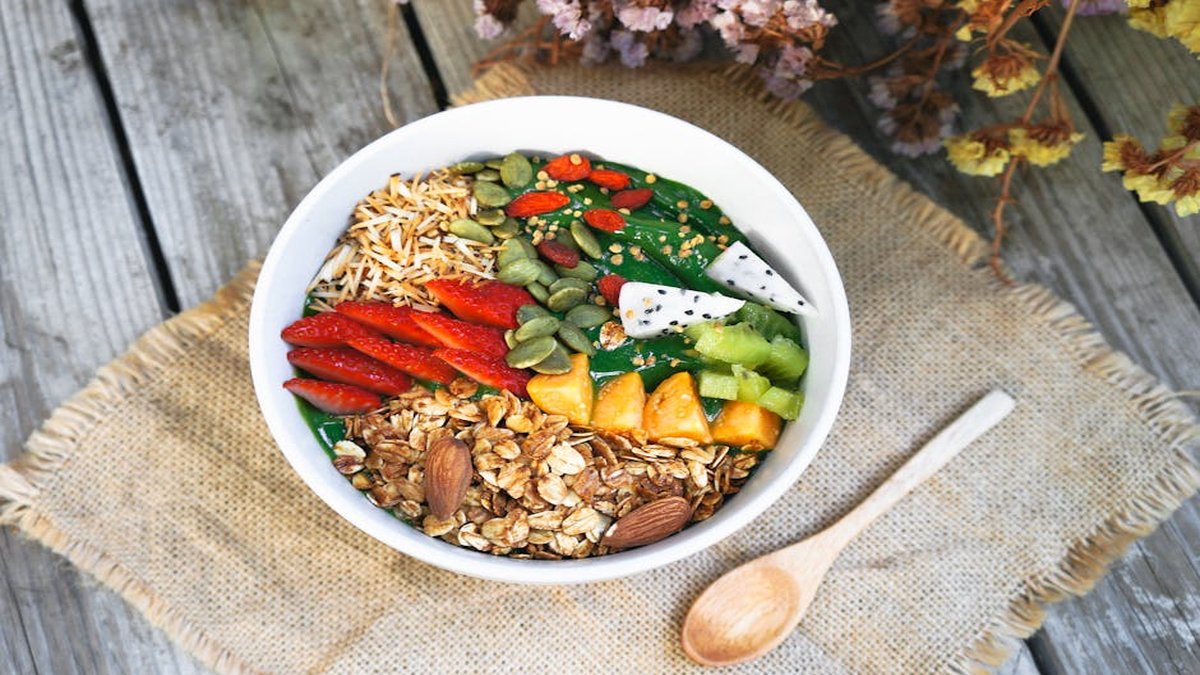
Chinese pediatric medicine has clear guidelines for how to feed children to protect their developing Spleen:
1. "若要小儿安,三分饥与寒" — For a child's peace, let them be slightly hungry and slightly cold. This ancient proverb means don't overfeed and don't overdress. Overfeeding is the #1 cause of pediatric digestive disease in TCM. Let the child feel genuine hunger before meals rather than eating by the clock.
2. Control snacking. Continuous snacking between meals keeps the Spleen working nonstop with no rest. The Spleen needs downtime between meals to complete transformation. Limit snacks to 1-2 small portions daily, ideally fruit or simple whole foods — not processed snacks.
3. Reduce cold foods drastically. Ice cream, cold drinks, cold milk, frozen yogurt — all these weaken the child's already immature Spleen Yang. The preference for cold food in modern Chinese children is a major driver of pediatric Spleen Deficiency. Switch to warm or room-temperature drinks. Warm milk instead of cold.
4. Reduce dairy if phlegm is present. TCM classifies milk and cheese as dampness-producing. For children with chronic runny nose, cough with phlegm, or recurrent ear infections, reducing dairy intake for 2-4 weeks often produces dramatic improvement. Replace with calcium-rich alternatives: sesame, tofu, bone broth, small fish with bones.
5. Breakfast is non-negotiable. The Spleen and Stomach meridians peak in the morning (7-11 AM). Skipping breakfast or eating a cold breakfast (cereal with cold milk) misses the optimal window for Qi production. Warm congee, warm soup, or warm steamed foods are ideal.
6. Don't force-feed. When a child refuses food, there's usually a reason — food stagnation, illness brewing, or genuine lack of hunger. Forcing food into a child with a full Stomach creates stagnation. Use digestive foods (hawthorn, malt) to clear stagnation first, then appetite will return naturally.
7. Avoid feeding during crying or emotional upset. Food eaten during emotional distress is poorly digested — the Liver Qi stagnation from emotion overacts on the Spleen. Calm the child first, then feed.
8. Simple meals over complex meals. A child's Spleen handles simple, whole-food meals better than elaborate multi-ingredient dishes. Two to three food items per meal is enough. Don't try to give them every food group at every sitting.
9. Cook vegetables, don't serve them raw. Raw vegetables require strong digestive fire that most children don't have. Steamed, stir-fried, or soup-based vegetables are far more digestible and nutrient-available for young digestive systems.
10. Match portions to the child, not the chart. Growth charts provide ranges, not mandates. Some children eat less and grow fine. Trust the child's appetite signals more than external expectations — as long as growth velocity is within normal range.
When to See a Doctor
Food therapy is for mild to moderate functional digestive issues. Seek professional medical attention (Western or TCM) immediately if:
- The child has persistent vomiting or diarrhea lasting more than 48 hours
- There is blood in the stool
- The child has a high fever (above 38.5°C) with digestive symptoms
- Weight loss or failure to gain weight over 2+ months
- The child is refusing all food and fluids
- Abdominal pain is severe or localized (could indicate appendicitis or other surgical conditions)
- Symptoms don't improve after 2 weeks of consistent food therapy
- The child is under 6 months old (food therapy for infants requires direct practitioner supervision)
TCM food therapy works best as a complement to pediatric medical care, not a replacement. Many pediatric TCM practitioners in China work alongside Western-trained pediatricians in hospital settings, combining both approaches for optimal outcomes.
Frequently Asked Questions
At what age can children start eating medicinal foods?
Food-grade ingredients like millet, rice, yam, and pumpkin can be introduced as complementary foods from 6-8 months as part of normal weaning. Mild medicinal ingredients like hawthorn, red dates, and lotus seeds are generally introduced after 1 year. Herbal ingredients like astragalus, poria, and codonopsis are typically introduced after 2-3 years and always in reduced doses (typically half the adult dose for children 3-6, and two-thirds for children 6-12). Strong herbs like ginseng, angelica, and He Shou Wu should be avoided in children unless specifically prescribed by a pediatric TCM practitioner.
My child is a picky eater. Is that a sign of Spleen Deficiency?
Often, yes. In TCM, poor appetite and food selectivity are classic signs of Spleen Qi Deficiency. The Spleen generates the desire to eat — when it's weak, the child genuinely doesn't feel hungry or interested in food. However, some pickiness is also developmental and behavioral. The food therapy approach: don't force the child to eat, but address the underlying Spleen weakness with gentle foods (millet congee, yam, Four Spirit Soup) and clear any existing food stagnation (hawthorn water). As Spleen function improves, appetite and food variety often expand naturally.
Should I give my child herbal supplements (like astragalus powder) daily?
No. Daily herbal supplementation for children is not recommended without practitioner guidance. Children's constitutions are dynamic and change rapidly — what works one month may not be appropriate the next. Food-grade approaches (congee, soups, everyday cooking) are safe for ongoing use. Specific herbal ingredients (astragalus, codonopsis, poria) should be used in courses (2-4 weeks) for specific purposes, then paused. Over-tonifying a child can create excess heat, restlessness, or stagnation.
My child gets recurrent colds. Can food therapy help?
Yes — this is one of food therapy's strongest applications. Recurrent colds in TCM indicate Wei Qi (defensive Qi) deficiency, which stems from Spleen Qi weakness (the Spleen generates the Qi that powers the Lung's defensive function). The strategy: strengthen the Spleen between illnesses with the Four Spirit Soup, chicken and astragalus soup, and millet congee. During cold season, serve the Winter Immune-Building Soup (Recipe 10) 2-3 times weekly. Simultaneously reduce cold and sugary foods that weaken the Spleen. Most families see a noticeable reduction in cold frequency within 2-3 months of consistent dietary changes.
Is Chinese food therapy compatible with Western pediatric nutrition recommendations?
Largely compatible. Both systems agree on: the importance of whole foods, adequate nutrition for growth, dietary variety, and limiting processed food and sugar. The main differences are practical: TCM recommends warm, cooked food where Western nutrition may recommend raw fruits and vegetables for vitamin content; TCM avoids cold milk where Western nutrition emphasizes dairy for calcium; TCM uses specific food "prescriptions" where Western nutrition gives broader guidelines. Most integrative pediatricians find the two approaches complement each other well. The key is ensuring the child gets adequate macronutrients and micronutrients (Western concern) while eating in a way that supports their digestive capacity (TCM concern). For a detailed comparison of both approaches, see our Chinese food therapy vs. Western nutrition article.
Related Reading
- Food Therapy for Digestion: Spleen and Stomach Care
- Congee Therapy: Medicinal Porridge Recipes
- Chinese Herbal Soup Recipes: Seasonal
— The Yao Shan Guide Team