Chinese Food Therapy for Digestion: Spleen and Stomach Care
This article is for educational purposes only and does not constitute medical advice. The food therapy recommendations below draw on traditional Chinese medicine principles and should not replace professional medical diagnosis or treatment. Consult a qualified TCM practitioner or physician before making dietary changes, especially if you have chronic digestive conditions, are pregnant, or take medications.

Quick Answer
- The Spleen and Stomach (脾胃) are considered the "root of postnatal life" in Chinese medicine — responsible for transforming food into Qi and Blood, and over 41% of Chinese adults meet diagnostic criteria for Spleen Deficiency syndrome according to a 2023 national survey
- Functional dyspepsia affects approximately 23.5% of Chinese adults (1 in 5 people), and TCM food therapy targets the root pattern — Spleen Qi Deficiency, Stomach Yin Deficiency, Dampness accumulation, or food stagnation — not just the symptoms
- Key Spleen-strengthening foods include Chinese yam (山药), lotus seeds (莲子), white rice (粳米), millet (小米), codonopsis root (党参), poria (茯苓), and astragalus (黄芪) — all classified as sweet-flavored and neutral-to-warm in nature
- Use the [Constitution Quiz](/tools/constitution-quiz) to identify your specific digestive pattern, and check the [Ingredient Lookup](/tools/ingredient-lookup) for detailed properties of any unfamiliar ingredient mentioned below
Photo by WebTechExperts on Pixabay
This article is for educational purposes only and does not constitute medical advice. The food therapy recommendations below draw on traditional Chinese medicine principles and should not replace professional medical diagnosis or treatment. Consult a qualified TCM practitioner or physician before making dietary changes, especially if you have chronic digestive conditions, are pregnant, or take medications.
Why the Spleen and Stomach Matter So Much in Chinese Medicine
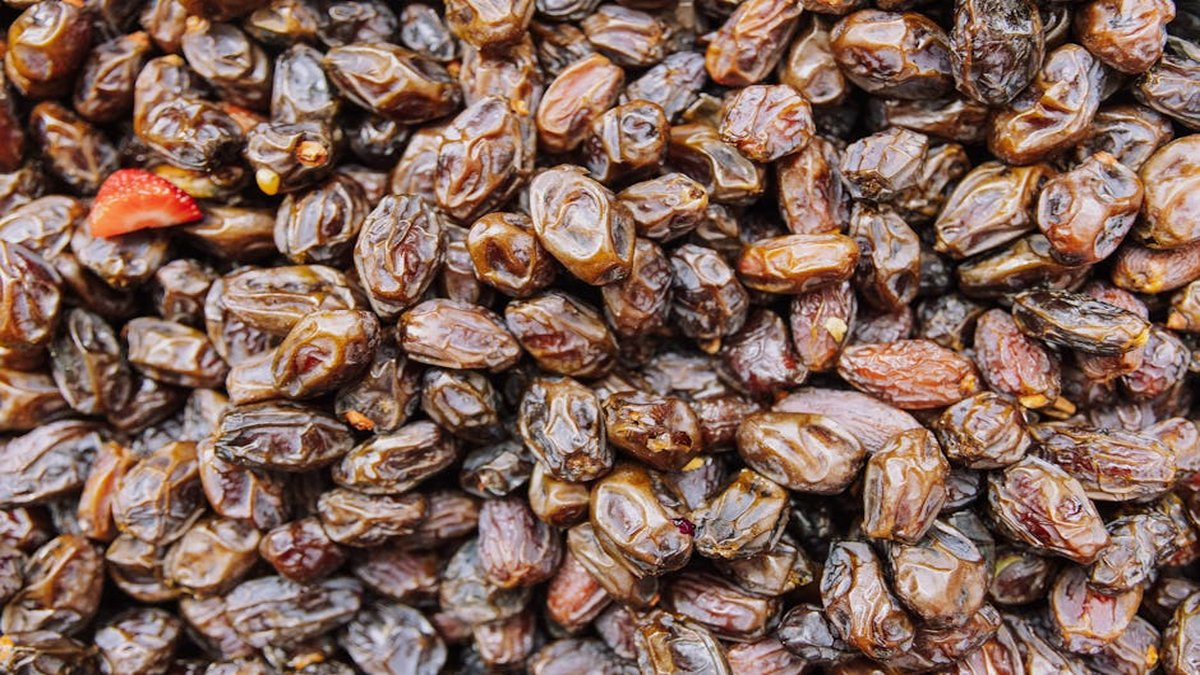
If you ask a Western gastroenterologist what causes poor digestion, you'll hear about stomach acid, enzyme production, gut motility, and microbiome balance. Ask a Chinese medicine practitioner the same question, and the answer starts with two words: Spleen and Stomach.
The Spleen (脾) and Stomach (胃) form a paired organ system in TCM that goes far beyond their anatomical counterparts in Western medicine. The Stomach receives food and begins the "rotting and ripening" process (腐熟). The Spleen then transforms that material into usable Qi (energy) and Blood, and transports these refined substances throughout the body. The classic text Huangdi Neijing (《黄帝内经》) states: "脾胃者,仓廪之官" — the Spleen and Stomach are the officials of the granary, responsible for the body's entire supply chain.
The famous Jin Dynasty physician Li Dongyuan (李东垣, 1180-1251 CE) built an entire school of medicine around this concept. His landmark text Pi Wei Lun (《脾胃论》, "Treatise on the Spleen and Stomach") argued that most chronic diseases originate from Spleen and Stomach dysfunction. His central thesis: when the Spleen and Stomach are weak, the body cannot generate enough Qi and Blood, and every other organ system suffers as a consequence.
Modern epidemiological data supports the scale of this problem. The 2023 China Spleen Deficiency Population White Paper (《中国脾虚人群白皮书》) found that 75.8% of surveyed consumers self-reported Spleen Deficiency symptoms, with 41.3% meeting the formal diagnostic criteria established by the 2017 TCM Expert Consensus. The 2020 National Chinese Medicine Health Index Research Report identified Spleen dysfunction as the most prevalent organ imbalance across all surveyed populations — and the trend is worsening year over year.
Why is Spleen Deficiency so common today? TCM practitioners point to the modern lifestyle: irregular eating schedules, excessive cold and raw food consumption, chronic stress, overthinking (the Spleen's associated emotion), and sedentary habits all directly damage Spleen function. The Spleen, as TCM puts it, "likes dryness and dislikes dampness" (喜燥恶湿) and "likes warmth and dislikes cold" (喜温恶寒). Modern dietary habits — iced drinks, raw salads, late-night eating — are the opposite of what the Spleen needs.
The Four Main Digestive Patterns in TCM
Not all digestive problems are the same in Chinese medicine. A skilled TCM practitioner differentiates between several distinct patterns, each requiring different food therapy approaches. Understanding your pattern is critical — eating the wrong foods for your pattern can actually make things worse.
1. Spleen Qi Deficiency (脾气虚)
The most common digestive pattern. The Spleen lacks the energy to properly transform and transport food.
Symptoms: Fatigue after eating, bloating and distension (especially after meals), loose or unformed stools, poor appetite, pale complexion, weak limbs, tendency to bruise easily, a pale tongue with tooth marks on the edges, and a weak pulse.
What's happening: The Spleen's transformation function is impaired. Food sits in the digestive system longer than it should, generating dampness and gas instead of usable Qi. You eat, but you don't feel energized — you feel more tired.
Food therapy direction: Warm, cooked, easily digestible foods that gently tonify Spleen Qi. Avoid raw, cold, greasy, and excessively sweet foods.
2. Spleen Yang Deficiency (脾阳虚)
A deeper stage of Spleen Qi Deficiency where the warming function of the Spleen is compromised.
Symptoms: Everything from Spleen Qi Deficiency plus: cold abdomen, preference for warmth and pressure on the belly, watery stools or diarrhea (especially in the morning — "cock-crow diarrhea"), cold hands and feet, edema, and a pale, swollen tongue with a white, moist coating.
What's happening: The Spleen's Yang (warming, transforming energy) is depleted. Without adequate warmth, fluids aren't metabolized properly, leading to internal cold and fluid accumulation.
Food therapy direction: Warming, Yang-tonifying foods. Ginger, cinnamon, lamb, and warming spices are essential. Strictly avoid cold and raw foods.
3. Stomach Yin Deficiency (胃阴虚)
Common in people who eat irregularly, skip meals, or consume too much spicy food.
Symptoms: Dry mouth and throat, hunger but no desire to eat, dull stomach pain that improves slightly with small amounts of food, dry stools or constipation, a thin body frame, a red tongue with little or no coating, and a thin, rapid pulse.
What's happening: The Stomach's Yin fluids are depleted. The Stomach needs moisture to properly "ripen" food. Without it, the digestive process generates internal heat instead of smooth digestion.
Food therapy direction: Nourishing, moistening, cooling foods. Pears, lily bulb, dendrobium, and congee with extra liquid are key. Avoid spicy, fried, and drying foods.
4. Food Stagnation (食积/食滞)
The acute pattern — overeating, eating too fast, or eating heavy meals late at night.
Symptoms: Fullness and distension in the upper abdomen, belching with a sour or rotten smell, nausea, no appetite, acid reflux, and sometimes diarrhea with undigested food.
What's happening: More food entered the Stomach than the Spleen could process. The food sits and ferments instead of being transformed.
Food therapy direction: Light, easily digestible foods that promote digestion. Hawthorn berries, radish, malt sprouts, and rice water are classic choices. Reduce food intake temporarily.
For a deeper understanding of how body constitution influences digestion, see our nine TCM body constitutions diet guide.
The 15 Best Foods for Spleen and Stomach Health
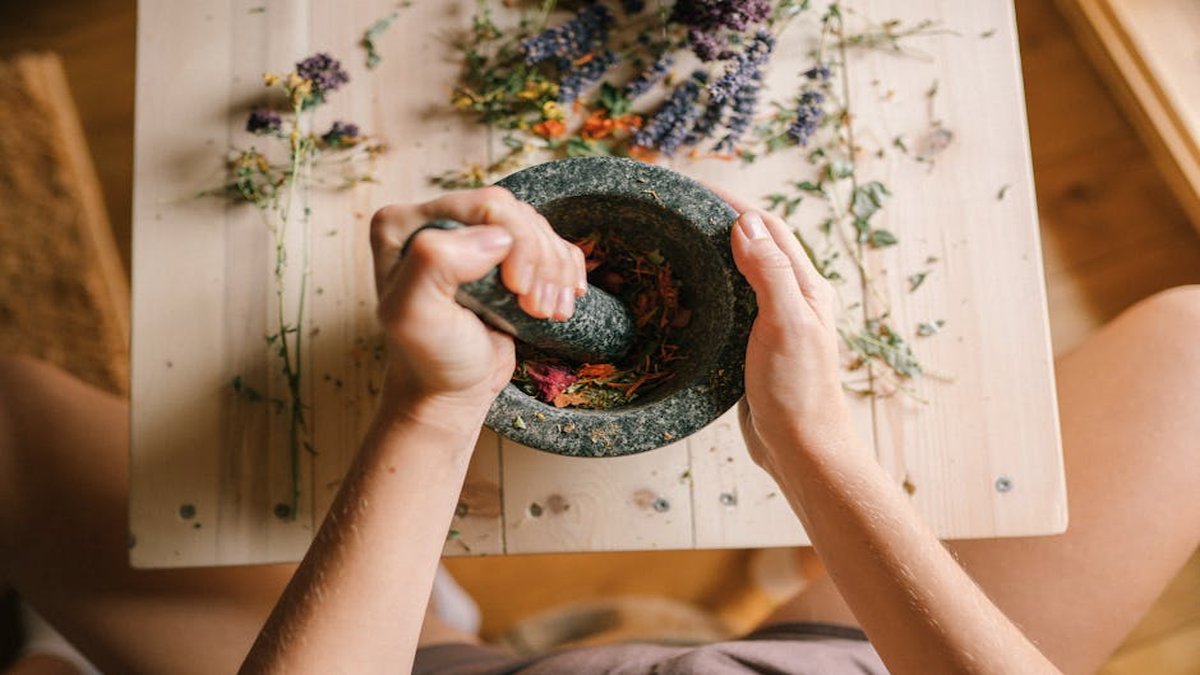
Chinese medicine has identified dozens of foods with specific benefits for the digestive system. Here are the 15 most important ones, organized by their primary therapeutic action.
Qi-Tonifying Foods (补气健脾)
1. Chinese Yam (山药)
Nature and flavor: Sweet, neutral. Enters the Spleen, Lung, and Kidney meridians.
Chinese yam is arguably the single most important food for Spleen health in all of Chinese medicine. The Bencao Gangmu calls it a "superior-grade" medicinal food safe for long-term use. Its dual action — tonifying Spleen Qi while also nourishing Yin — makes it suitable for both Spleen Qi Deficiency and Stomach Yin Deficiency patterns.
Modern research confirms that Chinese yam contains diosgenin, allantoin, and polysaccharides that support digestive function, regulate blood sugar, and have immunomodulatory effects. A study published in the Journal of Ethnopharmacology found that yam polysaccharides significantly improved gastric mucosal protection in animal models.
How to use: Steam, boil in congee, or add to soups. Fresh yam (鲜山药) is preferred over dried when available. Use 100-200g fresh or 15-30g dried per serving.
2. Lotus Seeds (莲子)
Nature and flavor: Sweet, astringent, neutral. Enters the Spleen, Kidney, and Heart meridians.
Lotus seeds strengthen the Spleen while also calming the spirit — making them ideal for people whose digestive issues are worsened by anxiety and overthinking (a common pattern, since the Spleen is the organ most affected by excessive mental activity in TCM). The astringent quality helps with chronic diarrhea from Spleen Deficiency.
How to use: Remove the bitter green embryo (莲子心) for Spleen-tonifying purposes — the embryo is cooling and better suited for clearing Heart fire. Use 15-30g in congee, soups, or steamed dishes.
3. Codonopsis Root (党参)
Nature and flavor: Sweet, neutral. Enters the Spleen and Lung meridians.
Codonopsis is often used as a gentler substitute for ginseng in food therapy. It tonifies Spleen and Lung Qi without the risk of overstimulation. The famous formula Si Jun Zi Tang (Four Gentlemen Decoction) uses codonopsis as its lead herb for foundational Spleen Qi Deficiency.
How to use: Simmer 10-15g in soups or make tea. Can be combined with astragalus for enhanced Qi-tonifying effects. See our qi-building foods guide for more recipes.
4. Astragalus Root (黄芪)
Nature and flavor: Sweet, slightly warm. Enters the Spleen and Lung meridians.
Astragalus is the premier Qi-tonifying herb in Chinese medicine. The Shennong Bencao Jing classifies it as a superior-grade herb. Research has shown astragalus polysaccharides enhance immune function, increase white blood cell activity, and improve energy metabolism. For Spleen Qi Deficiency with fatigue and spontaneous sweating, astragalus is the go-to.
How to use: Simmer 15-30g in water for 30+ minutes, then use the liquid as a soup or congee base. Pairs well with red dates and goji berries. Learn more in our top 10 medicinal foods guide.
Dampness-Draining Foods (祛湿健脾)
5. Poria (茯苓)
Nature and flavor: Sweet, bland, neutral. Enters the Heart, Spleen, and Kidney meridians.
Poria is a fungus that grows on pine tree roots, and it's one of the most frequently used ingredients in Chinese herbal medicine — appearing in roughly 70% of all classical TCM formulas that address Spleen issues. Its key action: draining dampness without injuring Yin. When the Spleen is weak, dampness accumulates. Poria gently resolves that dampness while simultaneously strengthening the Spleen.
How to use: Available as dried slices or powder. Add 10-15g to soups, congee, or the famous Si Shen Tang (Four Spirit Soup). Poria powder can be mixed into steamed buns or cakes.
6. Job's Tears / Barley (薏苡仁/薏米)
Nature and flavor: Sweet, bland, slightly cold. Enters the Spleen, Stomach, and Lung meridians.
Job's tears are the classic food for clearing dampness and strengthening the Spleen. They're especially useful when dampness manifests as heaviness, edema, loose stools, or a thick, greasy tongue coating. The Bencao Gangmu records that Job's tears "strengthen the Spleen and benefit the Stomach, tonify the Lung and clear heat."
Important note: Raw Job's tears are slightly cold in nature, which can further weaken an already cold Spleen. For Spleen Yang Deficiency, dry-fry (炒薏米) them before use — this moderates the cold nature.
How to use: Cook 30-50g in congee or soup. Combine with red beans (赤小豆) for enhanced dampness-clearing effect. The classic Red Bean and Job's Tears Soup (赤小豆薏米汤) is one of the most popular health beverages in China.
7. White Hyacinth Bean (白扁豆)
Nature and flavor: Sweet, slightly warm. Enters the Spleen and Stomach meridians.
White hyacinth beans are a mild, food-grade Spleen tonic that also resolves dampness and harmonizes the middle burner. They're gentle enough for long-term daily use and are particularly good for summer dampness — when heat and humidity combine to suppress appetite and cause loose stools.
How to use: Soak overnight, then cook in congee or soup. Use 15-30g per serving. Dry-fried white hyacinth beans (炒白扁豆) have a stronger Spleen-tonifying effect.
Warming and Digestive Foods (温中消食)
8. Fresh Ginger (生姜)
Nature and flavor: Pungent, slightly warm. Enters the Lung, Spleen, and Stomach meridians.
Ginger is the most accessible warming digestive food in Chinese medicine. It warms the Stomach, disperses cold, stops nausea, and promotes the movement of Qi in the digestive tract. The Tang Dynasty physician Sun Simiao recommended consuming ginger with every meal during cold months.
How to use: 3-5 slices in hot water as morning tea. Add to congee, soups, and stir-fries. For acute cold-induced stomach pain, ginger-brown sugar tea (姜糖水) provides fast relief. For more warming food strategies, see our warming vs cooling foods guide.
9. Hawthorn Berry (山楂)
Nature and flavor: Sour, sweet, slightly warm. Enters the Spleen, Stomach, and Liver meridians.
Hawthorn is the #1 food for resolving food stagnation — particularly from meat and greasy foods. It activates the Stomach's digestive function, breaks down fats, and moves stagnant Qi. The combination Jiao San Xian (焦三仙) — dry-fried hawthorn, dry-fried malt, and dry-fried medicated leaven — is used by TCM pediatricians as the first-line treatment for childhood food stagnation.
How to use: Brew 10-15g dried hawthorn slices in hot water as a digestive tea after heavy meals. Or cook into a sweet-sour sauce.
10. Millet (小米)
Nature and flavor: Sweet, salty, cool (some sources say slightly warm). Enters the Spleen, Stomach, and Kidney meridians.
Millet congee (小米粥) is China's most ancient digestive remedy. The Bencao Gangmu records that millet "harmonizes the middle, benefits Qi, and nourishes the Kidney." It's the staple grain for anyone with weak digestion — easier to process than rice, gentler on the Stomach, and particularly good for nourishing Stomach Yin. Millet congee is the standard hospital food in TCM wards for post-surgical recovery.
How to use: Cook 1:10 ratio with water for thin, medicinal congee. Morning consumption (7-9 AM, Stomach meridian peak time) is ideal. Combine with pumpkin for enhanced Spleen-tonifying effect.
Yin-Nourishing Foods (养阴润燥)
11. Lily Bulb (百合)
Nature and flavor: Sweet, slightly cold. Enters the Heart and Lung meridians.
Lily bulb moistens the Lung and calms the spirit, but its cooling, moistening nature also benefits Stomach Yin Deficiency. When dry mouth, dry throat, and a red tongue with little coating accompany digestive symptoms, lily bulb addresses both the dryness and the underlying Yin deficiency.
How to use: Fresh lily bulb (鲜百合) can be stir-fried or added to congee. Dried lily bulb (干百合) requires soaking. Use 15-30g per serving.
12. Dendrobium (石斛)
Nature and flavor: Sweet, slightly cold. Enters the Stomach and Kidney meridians.
Dendrobium is the premier Stomach Yin-nourishing herb. When chronic gastritis, acid reflux from Yin Deficiency, or prolonged illness has damaged the Stomach's fluids, dendrobium replenishes them. Fresh dendrobium juice was a luxury tonic in imperial Chinese medicine.
How to use: Simmer 6-12g dried stems in water for 30+ minutes, or chew fresh stems. Often combined with wheat berry (麦冬) and American ginseng (西洋参) for Stomach Yin Deficiency.
Qi-Moving and Harmonizing Foods (理气和胃)
13. Tangerine Peel / Chen Pi (陈皮)
Nature and flavor: Pungent, bitter, warm. Enters the Spleen and Lung meridians.
Aged tangerine peel is the classic Qi-regulating ingredient for the digestive system. It dries dampness, moves stagnant Qi, and prevents the heavy, cloying quality that can come from taking too many tonifying foods. The TCM saying goes: "百年陈皮,千年人参" — hundred-year-aged tangerine peel rivals thousand-year ginseng. In practice, aged Chen Pi (3+ years) is warmer and more effective than fresh.
How to use: Add a small piece (3-6g) to soups, congee, or herbal tea. Essential in the classic formula Er Chen Tang (二陈汤) for phlegm-dampness. Pairs especially well with Spleen-tonifying ingredients to prevent stagnation.
14. Red Dates / Jujubes (大枣)
Nature and flavor: Sweet, warm. Enters the Spleen, Stomach, and Heart meridians.
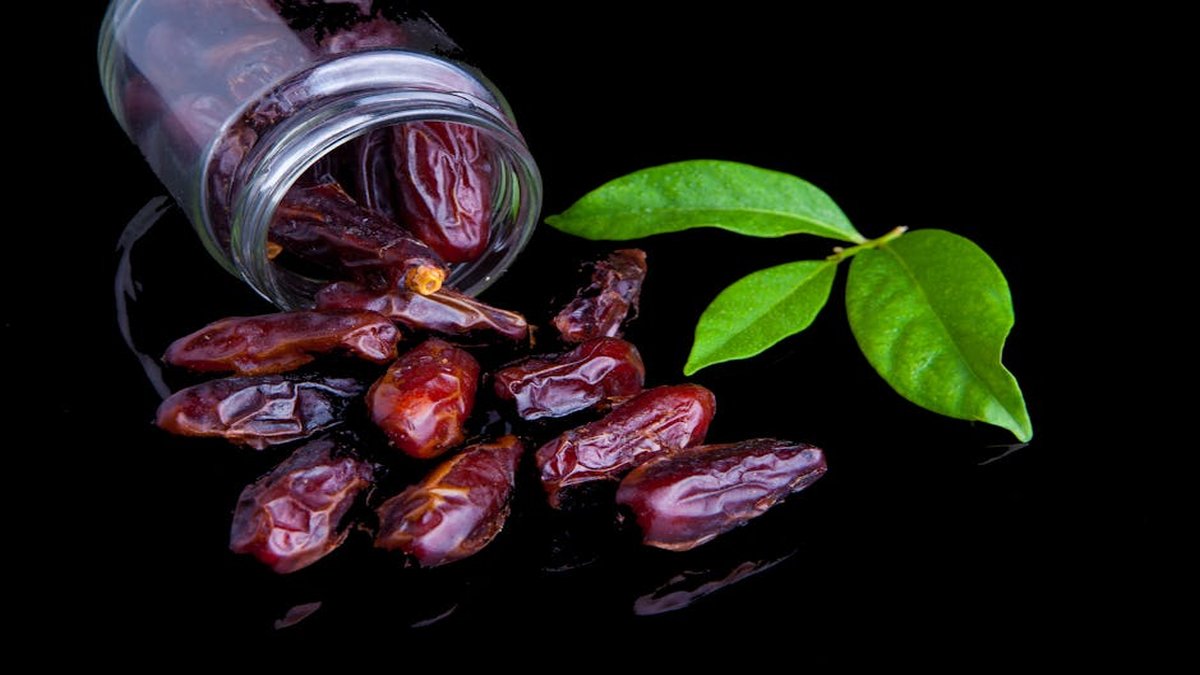
Red dates tonify Spleen Qi, nourish Blood, and calm the spirit. They appear in more TCM food therapy recipes than almost any other ingredient. The Shennong Bencao Jing classifies them as a superior-grade medicinal food. Their natural sweetness (the flavor associated with the Spleen in five-element theory) makes them palatable in both sweet and savory dishes. See our five flavors guide for more on the sweet flavor-Spleen connection.
How to use: 3-5 dates per serving in congee, soups, or tea. Always remove the pit — the pit is considered harder to digest.
15. Pumpkin (南瓜)
Nature and flavor: Sweet, warm. Enters the Spleen and Stomach meridians.
Pumpkin is a food-grade Spleen tonic that requires no herbal knowledge to use. Its warm, sweet nature directly benefits the Spleen and Stomach. In Chinese five-element theory, yellow foods correspond to the Earth element and the Spleen — pumpkin's golden color makes it a natural fit. Modern nutrition recognizes pumpkin as rich in beta-carotene, pectin (which protects the gastric mucosa), and soluble fiber.
How to use: Steam, roast, or add to congee. Pumpkin and millet congee (南瓜小米粥) is one of the most beloved digestive remedies in Chinese home cooking.
10 Spleen and Stomach Food Therapy Recipes
Recipe 1: Four Spirit Soup (四神汤)
Target pattern: Spleen Qi Deficiency with dampness — bloating, loose stools, poor appetite, fatigue.
Ingredients:
- Chinese yam (淮山) — 20g
- Lotus seeds (莲子) — 20g
- Gordon euryale seeds (芡实) — 20g
- Poria (茯苓) — 15g
- Lean pork or pork ribs — 300g
- Water — 1500ml
Method: Soak the four herbs for 30 minutes. Blanch pork in boiling water, rinse. Combine all ingredients in a pot, bring to boil, then simmer on low for 90 minutes. Season with a pinch of salt.
Why it works: The "four spirits" work synergistically — yam tonifies Spleen Qi, lotus seeds astringe the intestines, euryale seeds consolidate the Spleen and stop diarrhea, and poria drains dampness. This combination addresses both the root (Spleen weakness) and the branch (dampness accumulation). It's one of the most widely prescribed food therapy formulas in TCM clinical practice.
Frequency: 2-3 times per week during active symptoms, then once weekly for maintenance.
Recipe 2: Astragalus and White Hyacinth Bean Congee (黄芪白扁豆粥)
Target pattern: Spleen Qi Deficiency with fatigue — tiredness, spontaneous sweating, weak appetite, shortness of breath.
Ingredients:
- Astragalus root (黄芪) — 20g
- White hyacinth beans (白扁豆) — 30g (soaked overnight)
- White rice (粳米) — 100g
- Red dates (大枣) — 5, pitted
- Water — 1200ml
Method: Boil astragalus in 500ml water for 30 minutes, strain and discard the root. Combine the astragalus liquid with remaining water, add rice, hyacinth beans, and dates. Bring to boil, then simmer for 60 minutes until thick and smooth.
Why it works: Astragalus is the premier Qi-tonifying herb. White hyacinth beans strengthen the Spleen and resolve dampness. Red dates nourish Blood and reinforce Spleen Qi. The congee base ensures maximum absorption even for a weakened digestive system.
Frequency: Daily for 2-3 weeks as a therapeutic course, then 3-4 times per week.
Recipe 3: Ginger and Lamb Warming Soup (生姜羊肉汤)
Target pattern: Spleen Yang Deficiency — cold abdomen, watery diarrhea, cold extremities, preference for warmth.
Ingredients:
- Lamb (羊肉) — 300g, cubed
- Fresh ginger (生姜) — 30g, sliced
- Dried tangerine peel (陈皮) — 6g
- Cinnamon bark (肉桂) — 3g (optional, for severe cold)
- Water — 1500ml
- Salt and white pepper to taste
Method: Blanch lamb, rinse. Add all ingredients to a clay pot with water. Bring to boil, skim foam, then simmer on low for 2 hours until lamb is tender. Season to taste.
Why it works: This recipe is based on Zhang Zhongjing's classical formula Dang Gui Sheng Jiang Yang Rou Tang from the Jin Gui Yao Lue (2nd century CE). Lamb is the most warming common meat in Chinese medicine — it directly tonifies Spleen and Kidney Yang. Ginger warms the middle burner and disperses cold. Tangerine peel moves Qi and prevents stagnation from the rich meat.
Best season: Autumn and winter. Avoid in summer unless you have confirmed Yang Deficiency.
Recipe 4: Dendrobium and Wheat Berry Stomach-Nourishing Tea (石斛麦冬养胃茶)
Target pattern: Stomach Yin Deficiency — dry mouth, hunger without appetite, dry stools, red tongue with little coating.
Ingredients:
- Dendrobium (石斛) — 10g
- Wheat berry / Ophiopogon (麦冬) — 10g
- Lily bulb (百合) — 10g
- Rock sugar — 5g (optional)
Method: Rinse all herbs. Place in a teapot or thermos. Add 500ml boiling water. Steep for 20 minutes. Drink throughout the day, refilling with hot water 2-3 times.
Why it works: Dendrobium nourishes Stomach Yin specifically. Wheat berry moistens the Lung and Stomach. Lily bulb clears residual heat and calms the spirit. Together, they replenish the digestive fluids that chronic stress, irregular eating, and spicy food have depleted.
Frequency: Daily during active Yin Deficiency symptoms. Discontinue if loose stools develop (indicating the cold nature is too much for your constitution). For more tea-based remedies, see our medicinal tea recipes guide.
Recipe 5: Hawthorn and Malt Digestive Soup (山楂麦芽消食汤)
Target pattern: Food stagnation — fullness after overeating, belching, bloating, nausea, acid reflux.
Ingredients:
- Dried hawthorn (山楂) — 15g
- Barley malt (麦芽) — 15g
- Medicated leaven (神曲) — 10g
- Tangerine peel (陈皮) — 6g
- Water — 800ml
Method: Combine all ingredients in a pot with water. Bring to boil, then simmer for 20 minutes. Strain and drink warm.
Why it works: This is the food-therapy version of Bao He Wan (保和丸), one of the most commonly used formulas in TCM for food stagnation. Hawthorn breaks down meat and fat. Malt digests starches. Medicated leaven ferments and transforms stagnant food. Tangerine peel moves Qi downward to relieve bloating.
Best use: After holiday meals, banquets, or any episode of overeating. Not for long-term daily use — it's a rescue remedy, not a tonic.
Recipe 6: Pumpkin and Millet Congee (南瓜小米粥)
Target pattern: Mild Spleen weakness — general digestive support, poor appetite in children and elderly.
Ingredients:
- Millet (小米) — 80g
- Pumpkin (南瓜) — 200g, peeled and cubed
- Water — 1000ml
- Rock sugar — small amount (optional)
Method: Rinse millet. Add millet and water to pot, bring to boil. Add pumpkin cubes. Reduce to low simmer for 40 minutes, stirring occasionally, until pumpkin dissolves into the congee.
Why it works: Both millet and pumpkin are sweet, warm foods that tonify the Spleen and Stomach. The combination creates a naturally sweet, golden congee that's palatable even for people with no appetite. The pumpkin's pectin protects the gastric mucosa, while millet provides easily absorbed nutrition.
Frequency: Can be eaten daily as a breakfast staple. Safe for all ages, including children and elderly.
Recipe 7: Codonopsis and Atractylodes Rice (党参白术焖饭)
Target pattern: Chronic Spleen Qi Deficiency — long-term poor digestion, fatigue, loose stools.
Ingredients:
- Codonopsis root (党参) — 15g
- White atractylodes (白术) — 10g
- Poria (茯苓) — 10g
- White rice (粳米) — 200g
- Chicken broth — 400ml
Method: Simmer codonopsis, atractylodes, and poria in chicken broth for 30 minutes. Strain out the herbs. Use the herbal broth to cook rice in a rice cooker as you normally would.
Why it works: This is the food-therapy version of the Si Jun Zi Tang formula, minus the licorice. Cooking rice in herbal broth infuses every grain with Spleen-tonifying properties, making it practical for daily consumption. The chicken broth adds additional Qi-tonifying support.
Frequency: 2-3 times per week as a therapeutic staple.
Recipe 8: Job's Tears and Red Bean Soup (薏米赤小豆汤)
Target pattern: Spleen Deficiency with Dampness — heavy limbs, foggy head, loose stools, thick tongue coating, edema.
Ingredients:
- Job's tears (薏米) — 50g (dry-fried for Spleen Yang Deficiency)
- Red adzuki beans (赤小豆) — 30g
- Gordon euryale seeds (芡实) — 20g
- Water — 1500ml
Method: Soak Job's tears and red beans overnight. Combine with euryale seeds and water. Bring to boil, then simmer for 90 minutes until beans are soft. Can add a small amount of rock sugar if desired.
Why it works: This is China's most popular anti-dampness food therapy recipe. Job's tears drain dampness through urination. Red adzuki beans promote water metabolism and reduce edema. Euryale seeds astringe and strengthen the Spleen to prevent further dampness generation. The trio addresses both the symptom (dampness) and the root (Spleen weakness).
Important: Do NOT add rice to this soup — rice generates more dampness and counteracts the therapeutic effect. This is a common mistake.
Recipe 9: Chinese Yam and Lotus Seed Congee (山药莲子粥)
Target pattern: Spleen-Kidney Qi Deficiency — fatigue, loose stools, poor appetite, weak lower back, frequent urination.
Ingredients:
- Fresh Chinese yam (山药) — 150g, peeled and sliced
- Lotus seeds (莲子) — 30g, core removed
- Gordon euryale seeds (芡实) — 20g
- White rice (粳米) — 80g
- Water — 1200ml
Method: Soak lotus seeds and euryale seeds for 30 minutes. Combine rice, lotus seeds, and euryale seeds with water. Bring to boil, simmer 30 minutes. Add yam slices, continue simmering 30 minutes until everything is soft and thick.
Why it works: This congee targets both Spleen and Kidney — important because the Kidney provides the foundational Yang that the Spleen needs to function. Yam tonifies Spleen, Lung, and Kidney simultaneously. Lotus seeds strengthen the Spleen and consolidate the Kidney. Euryale seeds astringe and prevent leakage of Essence. Read more about congee therapy in our medicinal porridge recipes guide.
Recipe 10: Chen Pi and Ginger Morning Tea (陈皮生姜晨茶)
Target pattern: Morning digestive sluggishness — nausea, poor appetite, heavy feeling upon waking.
Ingredients:
- Aged tangerine peel (陈皮) — 6g
- Fresh ginger — 3 slices
- Brown sugar (红糖) — 5g (optional)
Method: Add tangerine peel and ginger to 300ml water. Bring to boil, simmer 10 minutes. Add brown sugar if desired. Drink warm first thing in the morning, 30 minutes before breakfast.
Why it works: Chen Pi moves Qi and wakes up the digestive system. Ginger warms the Stomach and dispels overnight cold accumulation. Brown sugar gently tonifies Spleen Qi and improves the taste. This simple tea "opens the Stomach gate" (开胃) and prepares the digestive system for the day's first meal.
Frequency: Daily during periods of poor morning digestion.
Daily Eating Habits for Spleen and Stomach Health
Food therapy isn't just about specific recipes — it's about how you eat every day. TCM has detailed guidance on eating habits that protect the Spleen and Stomach.
The Seven Rules of Spleen-Protective Eating
1. Eat at regular times. The Spleen and Stomach thrive on rhythm. In TCM, the Stomach meridian peaks from 7-9 AM and the Spleen meridian from 9-11 AM — making breakfast the most important meal for digestive health. The classic recommendation: eat breakfast like a king, lunch like a merchant, and dinner like a pauper.
2. Eat warm, cooked food. Raw and cold foods require extra digestive energy that a weak Spleen can't spare. The TCM principle is clear: the Stomach needs warmth to "rot and ripen" food. Room temperature or warm water. Cooked vegetables over raw salads. Warm soups over cold smoothies.
3. Don't overeat. The traditional guideline is "七分饱" — eat to 70% fullness. Overeating overwhelms the Spleen's transformation capacity, creating food stagnation. A 2022 clinical survey found that regular overeating was the #1 lifestyle factor associated with Spleen Qi Deficiency symptoms.
4. Chew thoroughly. Digestion begins in the mouth. The Spleen's job is easier when food arrives pre-processed by thorough chewing. TCM recommends 20-30 chews per mouthful for people with weak digestion.
5. Don't eat while stressed or distracted. The Liver controls the smooth flow of Qi, and emotional stress causes Liver Qi stagnation — which directly invades the Spleen and Stomach (called "Liver overacting on Spleen," 肝木克脾土). Eating while anxious, angry, or distracted impairs digestion at the energetic level.
6. Limit cold drinks with meals. Ice water and cold beverages "extinguish the digestive fire" in TCM terms. If you must drink with meals, warm water or warm tea is preferred. This is one area where Chinese food therapy and modern gastroenterology actually converge — cold liquids can slow gastric emptying.
7. Walk after eating. The Chinese proverb says: "饭后百步走,活到九十九" — walk a hundred steps after eating, and you'll live to ninety-nine. Gentle movement after meals activates Spleen Qi and promotes the downward movement of food through the digestive tract. Avoid vigorous exercise, lying down, or sleeping immediately after eating.
Foods to Avoid with Weak Digestion
Knowing what NOT to eat is just as important as knowing what to eat:
- Cold and raw foods: Ice cream, cold drinks, raw sushi, chilled fruit, cold salads
- Greasy and fried foods: Deep-fried anything, heavy cream sauces, fatty meats in excess
- Excessively sweet foods: Refined sugar, candy, sweet pastries — the Spleen likes gentle sweetness (like dates and yam), not concentrated sugar
- Dairy in excess: Milk and cheese are considered dampness-producing in TCM, especially for people with Spleen Deficiency and phlegm
- Sticky, hard-to-digest foods: Glutinous rice (in excess), rice cakes, overly fibrous or tough foods
Seasonal Adjustments for Digestive Health
The Spleen is associated with the Late Summer season (长夏) in five-element theory, but digestive care requires attention year-round. For a complete seasonal eating calendar, see our seasonal eating calendar.
Spring (春): The Liver is most active. Liver Qi can overact on the Spleen, causing digestive disturbances. Eat slightly sweet foods to support the Spleen and sour foods to contain the Liver. Congee with dates and yam is ideal.
Summer (夏): Heat and dampness challenge the Spleen. Appetite naturally decreases. Eat lighter meals, include Job's tears and mung beans to clear heat and drain dampness, and absolutely avoid excessive cold drinks (despite the temptation).
Late Summer (长夏): The Spleen's own season. Dampness is heaviest. Focus on strengthening the Spleen with the Four Spirit Soup, avoiding heavy and damp-producing foods.
Autumn (秋): Dryness can injure Stomach Yin. Add moistening foods — pear, lily bulb, dendrobium — while continuing Spleen-tonifying staples.
Winter (冬): The body needs more warmth. Lamb soup with ginger, warming congees with cinnamon, and heavier tonifying foods are appropriate. This is the season for building reserves.
When Food Therapy Isn't Enough
Food therapy is powerful, but it has limits. Seek professional TCM or Western medical care if:
- Digestive symptoms persist for more than 4 weeks despite dietary changes
- You experience unexplained weight loss, blood in stool, or severe abdominal pain
- Symptoms are worsening rather than improving
- You have a diagnosed condition (IBD, celiac disease, gastric ulcers) that requires medical management
- You're taking medications that may interact with herbal foods (especially blood thinners, diabetes medications, or immunosuppressants)
Food therapy works best as a complement to professional care, not a replacement. Many TCM practitioners prescribe food therapy alongside herbal formulas and acupuncture for comprehensive digestive recovery.
Frequently Asked Questions
How long does it take for food therapy to improve digestion?
Most people notice improvements in bloating, appetite, and stool consistency within 1-2 weeks of consistent dietary changes. However, rebuilding fundamental Spleen Qi takes longer — typically 4-8 weeks of sustained food therapy for mild deficiency, and 3-6 months for chronic, longstanding Spleen weakness. Consistency matters more than intensity: eating Spleen-supportive foods daily produces better results than occasional large doses of herbal recipes.
Can I combine Western digestive treatments with TCM food therapy?
Yes, and many integrative practitioners recommend exactly this. TCM food therapy addresses the underlying constitutional pattern (root cause), while Western treatments can manage acute symptoms effectively. For example, someone taking a proton pump inhibitor for acid reflux can simultaneously use Stomach Yin-nourishing foods to address the TCM root pattern. Always inform both your Western doctor and TCM practitioner about everything you're taking.
Is it true that raw vegetables are bad for digestion in Chinese medicine?
TCM generally recommends cooked vegetables over raw for people with Spleen Qi Deficiency, because raw food requires more digestive energy to break down. However, this isn't absolute — someone with a strong constitution and Stomach heat might benefit from cooling raw foods. The key is matching your food preparation to your constitution. If you have signs of Spleen weakness (bloating, loose stools, fatigue after eating), switch to cooked vegetables for 4-6 weeks and observe the difference.
What's the best time of day to eat for digestive health according to TCM?
The Stomach meridian is most active from 7-9 AM and the Spleen meridian from 9-11 AM, making morning the optimal time for your largest, most nourishing meal. The Stomach meridian is least active from 7-9 PM, which is why TCM recommends a light dinner eaten early. Eating heavy meals late at night forces the digestive system to work during its rest period, weakening the Spleen over time.
How do I know which digestive pattern I have — Spleen Qi Deficiency, Stomach Yin Deficiency, or something else?
The most reliable method is consulting a qualified TCM practitioner who can assess your tongue, pulse, and full symptom picture. As a general self-assessment: if your main issues are bloating, fatigue, and loose stools with a pale, swollen tongue — that points toward Spleen Qi Deficiency. If you have dry mouth, constipation, and a red tongue with little coating — that suggests Stomach Yin Deficiency. If symptoms appeared after a specific episode of overeating — that's food stagnation. Many people have mixed patterns. Take our Constitution Quiz for an initial assessment, but follow up with a practitioner for complex or persistent issues.
Related Reading
- Congee Therapy: Medicinal Porridge Recipes
- Nine TCM Body Constitutions Diet Guide
- Warming vs Cooling Foods: Chinese Classification
— The Yao Shan Guide Team