Best Chinese Herbs for Energy: TCM Practitioner Picks
- Astragalus (黄芪) is the safest, most versatile qi-boosting herb for daily use

Quick Answer:
- Astragalus (黄芪) is the safest, most versatile qi-boosting herb for daily use
- Ginseng (人参) is stronger but requires constitution matching — not suitable for everyone
- TCM treats fatigue by identifying the root pattern, not just boosting energy generically
- Start with food-grade herbs (goji, red dates, astragalus) before moving to medicinal formulas
Medical disclaimer: This article is for educational purposes only and does not constitute medical advice. Chinese herbs can interact with medications and are not appropriate for all constitutions. Consult a qualified TCM practitioner or healthcare provider before taking any herbs for therapeutic purposes.
In Chinese medicine, fatigue isn't just "being tired" — it's a signal that qi (气), blood (血), or yang (阳) is deficient. The treatment depends on which pattern is driving the exhaustion. Someone who's pale, chilly, and breathless has a different root cause than someone who's hot, restless, and wired-but-exhausted.
This guide ranks the best Chinese herbs for energy based on TCM practitioner consensus from Chinese medical sources, Zhihu (知乎) practitioner discussions, and classical formula usage frequency.
For the full picture on qi deficiency, see our qi-building foods guide.
1. Huang Qi (黄芪) — Astragalus Root
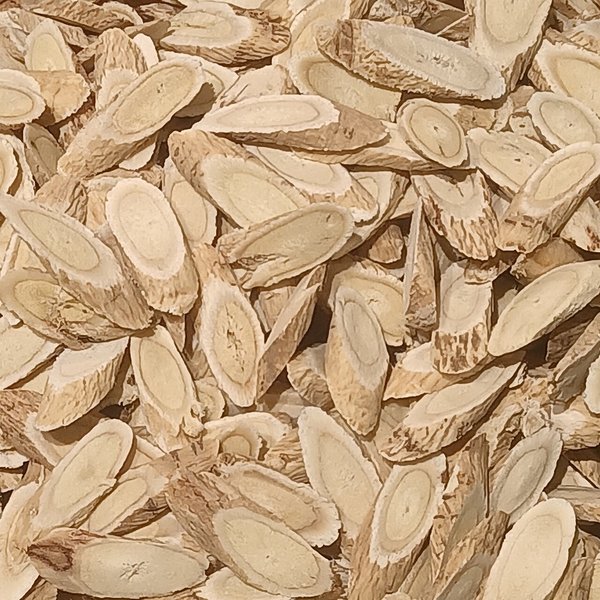 Image: Fumikas Sagisavas via Wikimedia Commons (CC0)

Best For: Daily qi support, immune boosting, and gentle sustained energy
Huang Qi is Chinese medicine's workhorse energy herb. It tonifies qi without being overly warming, supports the immune system (固表), and lifts yang energy that has sunk. On Chinese health forums, it's the single most recommended herb for general energy — the "safe default" that TCM practitioners suggest before anything stronger.
Modern Chinese research shows astragalus polysaccharides enhance immune cell activity and mitochondrial function — providing a scientific basis for what practitioners have observed for millennia.
 Photo: Pixabay
Pros:
- Safe for long-term daily use in food therapy (tea or soup)
- Gentle enough for most constitutions, including mild yin deficiency
- Extensive modern research supporting immune and energy benefits
Cons:
- Not strong enough for severe qi collapse — needs to be combined with other herbs
- Should be avoided during active infections (cold, flu, fever)
Price: ¥10–25/50g for slices ($1.50–3.50 USD) | Premium Gansu origin: ¥30–60/50g
Dosage: 10–30g per day in soup or tea. Simmer slices in hot water for 15+ minutes.
2. Ren Shen (人参) — Ginseng Root
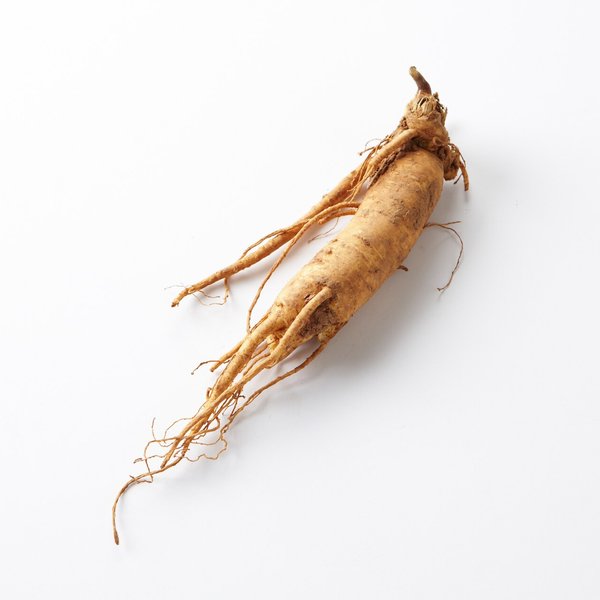 Image: 국립국어원 via Wikimedia Commons (CC BY-SA 2.0 kr)
.jpg)
Best For: Severe qi deficiency, post-illness recovery, acute fatigue
Ginseng is the most famous qi-tonifying herb in Chinese medicine — and the most misused. In proper TCM practice, ginseng is reserved for genuine qi deficiency patterns: shortness of breath, weak voice, spontaneous sweating, and fatigue that rest doesn't fix. It's powerful, fast-acting, and not for everyday use unless you're actually deficient.
Chinese medicine distinguishes several types: 生晒参 (sun-dried, balanced), 红参 (red/steamed, warming), 西洋参 (American ginseng, cooling).
Pros:
- The strongest single qi-tonifying herb — noticeable effects within days
- Ginsenosides are among the most well-researched herbal compounds
- Multiple varieties allow constitution-specific matching
Cons:
- Can cause headaches, insomnia, and elevated blood pressure in people who don't need it
- Contraindicated with many medications (blood thinners, diabetes drugs, MAO inhibitors)
- Expensive for quality material, with rampant adulteration
Price: ¥80–300/50g for quality cultivated ($11–42 USD) | Wild ginseng: ¥1000+/g
Dosage: 3–9g per day. Slice thin and steep in hot water, or add to soup. Start low.
3. Xi Yang Shen (西洋参) — American Ginseng
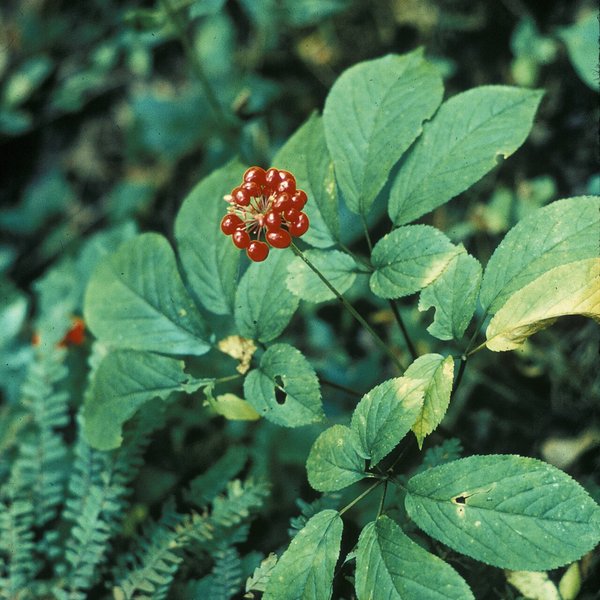 Image: Pittillo, Dan J. via Wikimedia Commons (Public domain)

Best For: People who need energy but run hot — yin-deficient fatigue
American ginseng (grown in Wisconsin, Ontario, and increasingly in China) is cooling rather than warming. It tonifies qi and nourishes yin simultaneously — making it perfect for the modern exhaustion pattern: overworked, overstressed, dry mouth, hot palms, tired but can't sleep. Chinese health forums call it the "office worker's ginseng."
Pros:
- Won't cause heat symptoms — safe for yin-deficient and slightly hot constitutions
- Can be taken daily as sliced tea without the side effects of regular ginseng
- Widely available and moderately priced
Cons:
- Not as warming or immediately energizing as red ginseng (红参)
- Quality varies — Chinese-grown Xi Yang Shen is sometimes substituted for true American origin
Price: ¥50–150/50g ($7–21 USD) | Premium Canadian/American origin: ¥150–300/50g
Dosage: 3–6g per day. Steep slices in hot water as tea (can re-steep 3–4 times).
4. Gou Qi Zi (枸杞子) — Goji Berry
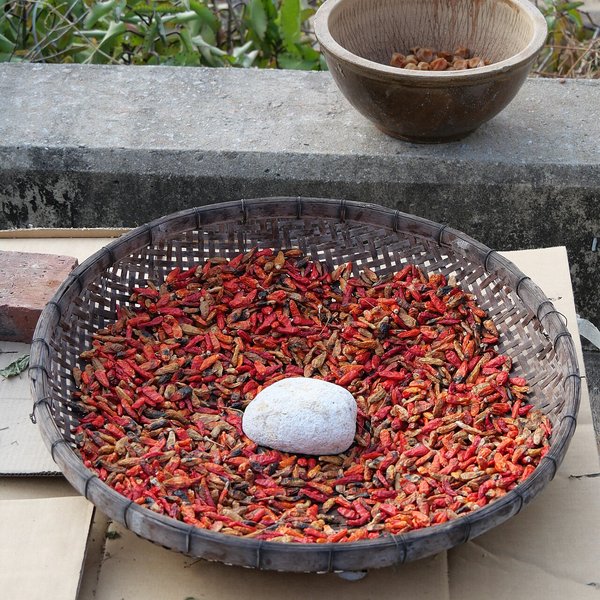 Image: Peachyeung316 via Wikimedia Commons (CC BY-SA 4.0)

Best For: Gentle daily energy with liver and kidney support, eye health
Goji berries are Chinese medicine's most accessible energy food. They nourish liver blood and kidney essence (精), both of which contribute to sustained energy. Unlike the stronger herbs above, goji berries are a food — safe for daily consumption with virtually no side effects for most people.
Ningxia (宁夏) goji berries are considered the highest quality in China. The 中宁 (Zhongning) county origin commands the highest prices.
 Photo: Pixabay
Pros:
- Food-grade safety — eat them like raisins, add to tea, or cook in soup
- Rich in zeaxanthin and beta-carotene with modern research for eye health
- Affordable and available everywhere
Cons:
- Effects are subtle and cumulative — don't expect immediate energy boost
- Can cause loose stools in large quantities (>30g/day)
Price: ¥20–50/100g ($3–7 USD) | Premium Zhongning: ¥60–120/100g
Dosage: 10–20g per day. Add to tea, soup, congee, or eat directly.
See our top 10 Chinese medicinal foods guide for more on goji berries.
5. Dong Chong Xia Cao / Cordyceps (冬虫夏草 / 虫草)
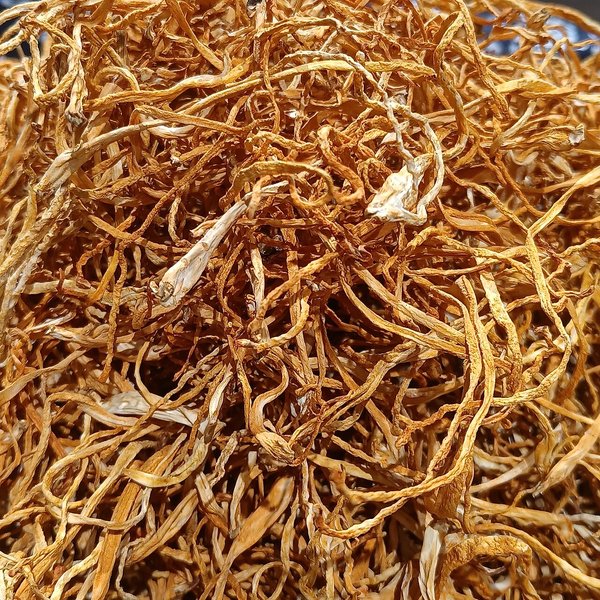 Image: Fumikas Sagisavas via Wikimedia Commons (CC0)
.jpg)
Best For: Deep fatigue with respiratory weakness, athletes, recovery from chronic illness
True cordyceps (冬虫夏草) is one of the most prized substances in Chinese medicine — and one of the most expensive, at ¥100,000–400,000/kg. It tonifies both kidney yang and lung yin, making it unique among energy herbs. For most people, cultivated cordyceps mycelium (虫草菌丝) or cordyceps flower (虫草花) offers similar benefits at a fraction of the price.
Pros:
- Dual action on kidneys (energy/yang) and lungs (endurance/yin) — unique among TCM herbs
- Strong research supporting anti-fatigue and oxygen utilization benefits
- Cultivated alternatives make it accessible without the wild-harvested price
Cons:
- Wild cordyceps is prohibitively expensive and frequently counterfeited
- Efficacy of cultivated vs. wild is debated among TCM practitioners
Price: Cordyceps flower ¥20–50/50g ($3–7 USD) | Cultivated mycelium capsules: ¥100–300/bottle | Wild: ¥100,000+/kg
Dosage: Cordyceps flower: 10–15g in soup. Capsules: follow product directions.
6. Hong Jing Tian (红景天) — Rhodiola Rosea
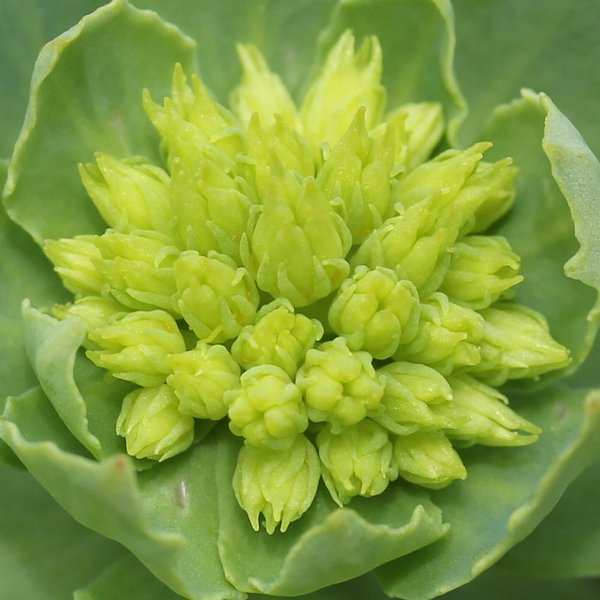 Image: Alpsdake via Wikimedia Commons (CC BY-SA 4.0)
.jpg)
Best For: High-altitude adaptation, stress-related fatigue, mental energy
Rhodiola grows on the Tibetan Plateau and has been used in Tibetan and Chinese medicine for centuries. It's an adaptogen that helps the body handle physical and mental stress. Chinese athletes and military personnel stationed at high altitude have used it for decades. Modern Chinese research shows it improves oxygen utilization and reduces mental fatigue.
Pros:
- Works on both physical and mental fatigue — useful for modern stress-based exhaustion
- Doesn't cause heat symptoms — relatively neutral in TCM temperature classification
- Growing body of Chinese and Western research supporting adaptogenic effects
Cons:
- Not a classical TCM herb — some traditional practitioners don't use it
- Can cause restlessness or insomnia in sensitive individuals
Price: ¥20–50/50g dried root ($3–7 USD) | Extract capsules: ¥50–150/bottle
Dosage: 5–10g dried root in tea. Capsules: follow product directions.
7. Ci Wu Jia (刺五加) — Siberian Ginseng / Eleuthero
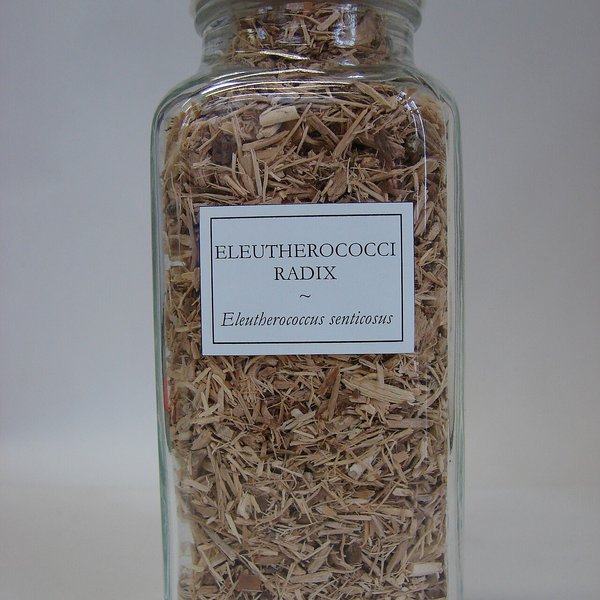 Image: Maša Sinreih in Valentina Vivod via Wikimedia Commons (CC BY-SA 3.0)

Best For: Long-term fatigue, weakened immunity, people who can't tolerate true ginseng
Ci Wu Jia (Eleutherococcus senticosus) is not true ginseng but shares similar adaptogenic properties. It was extensively researched by Soviet and Chinese scientists during the Cold War for enhancing worker and athlete performance. It's gentler than ginseng with fewer side effects, making it suitable for long-term use.
Pros:
- Gentler and more affordable than true ginseng
- Well-researched for immune support and endurance
- Available as tea, extract, or injectable (注射液) in Chinese hospitals
Cons:
- Weaker immediate effects compared to ren shen (人参)
- Sometimes confused with or substituted for real ginseng
Price: ¥10–30/50g dried root ($1.50–4 USD) | Extract: ¥30–80/bottle
Dosage: 10–15g dried root in decoction. Tea bags: 2–3 per day.
Constitution Matching: Which Herb Is Right for You?
| Constitution | Symptoms | Best Herb | Avoid |
|---|---|---|---|
| Qi deficient (气虚) | Tired, breathless, weak voice, sweating easily | Huang Qi, Ren Shen | Stimulants |
| Yang deficient (阳虚) | Cold, pale, low energy, loose stools | Red Ginseng, Cordyceps | Cooling herbs |
| Yin deficient (阴虚) | Tired but wired, hot palms, dry mouth, insomnia | Xi Yang Shen, Goji | Red Ginseng |
| Blood deficient (血虚) | Pale, dizzy, dry skin, poor memory | Goji + Dang Gui | Excessive sweating |
| Qi + Blood deficient | All of the above combined | Ba Zhen Tang formula | Extreme exercise |
Don't know your constitution? Read our nine TCM body constitutions guide.
FAQ
What is the safest Chinese herb for energy? Astragalus (黄芪) and goji berries (枸杞) are the safest options for most people. Both are classified as food-grade herbs in China, meaning they can be consumed daily without practitioner supervision. Start with these before trying stronger medicinal herbs like ginseng.
Can I take Chinese herbs for energy with caffeine? Generally yes, but with awareness. Ginseng combined with heavy caffeine intake can cause overstimulation, insomnia, and elevated blood pressure. Astragalus and goji berries don't interact significantly with caffeine. If you're a heavy coffee drinker, Xi Yang Shen (American ginseng) is the best choice.
How quickly do Chinese energy herbs work? Food-grade herbs (goji, red dates, astragalus) take 2–4 weeks of consistent use to show noticeable effects. Stronger herbs (ginseng, cordyceps) can produce effects within days. TCM views energy herbs as rebuilding depleted reserves, not as stimulants — patience is required.
Are Chinese herbs for energy safe long-term? Astragalus, goji berries, and American ginseng are safe for long-term daily use in food therapy doses. Stronger herbs like ren shen (ginseng) and cordyceps should be cycled: 4–6 weeks on, 2 weeks off. Always consult a TCM practitioner for personalized guidance.
Where can I buy quality Chinese herbs? Chinese herbal pharmacies (中药房) in Chinatowns offer the best selection and can advise on quality. For online purchases, reputable Chinese brands include 同仁堂 (Tong Ren Tang), 胡庆余堂 (Hu Qing Yu Tang), and 九芝堂 (Jiuzhitang). Avoid unbranded herbs from unknown sellers.
Related Reading
- Qi-Building Foods: What to Eat When You're Qi-Deficient
- Food Therapy for Fatigue: What Chinese Medicine Recommends
- The 9 TCM Body Constitutions
— The Chinese Food Therapy Trends Team