Chinese Medicinal Desserts (糖水): 10 Sweet Soups That Heal
- 糖水 (tang shui, literally "sugar water") is a category of Chinese sweet soups that double as medicinal remedies, blending food therapy principles with dessert — a concept unique to Chinese culinary medicine

Photo by Pantameron on Pixabay
Quick Answer
- 糖水 (tang shui, literally "sugar water") is a category of Chinese sweet soups that double as medicinal remedies, blending food therapy principles with dessert — a concept unique to Chinese culinary medicine
- The tang shui tradition is strongest in Guangdong, Hong Kong, and Southeast Asian Chinese communities, where dedicated dessert shops (糖水铺) serve dozens of varieties organized by health benefit
- A single serving of medicinal tang shui costs ¥5–15 (~$0.70–2.10 USD) to prepare at home and ¥15–35 (~$2.10–4.90 USD) at specialty shops — making it one of the most affordable forms of food therapy
- Research from Guangzhou University of Chinese Medicine (2024) found that regular consumption of tremella-based tang shui (3x per week for 12 weeks) increased skin hydration scores by 29% in female subjects aged 25–45
What Makes 糖水 Different from Regular Dessert
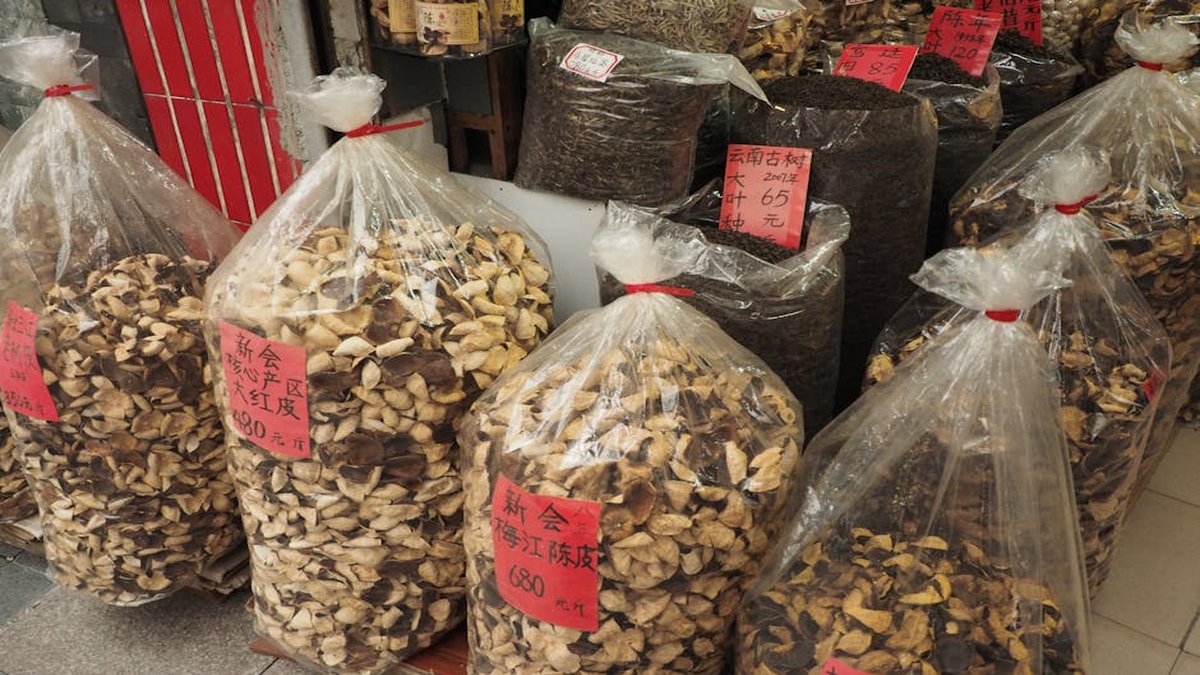
Every culture has sweet foods. But Chinese 糖水 occupies a unique space: it's dessert with a purpose. When a Cantonese grandmother serves you 红豆沙 (red bean soup) after dinner, she isn't just satisfying your sweet tooth. She's clearing heat from your body. When she makes 银耳莲子汤 (white fungus and lotus seed soup) in autumn, she's moistening your lungs against the dry season.
This intentionality — choosing the sweet course based on what your body needs — is what separates tang shui from cake. The desserts in this list are organized by their primary TCM functions, referencing the warming vs. cooling food system and the five flavors framework that underpin all Chinese food therapy.
The history runs deep. The earliest tang shui recipes appear in the Bencao Gangmu (本草纲目, 1578), where Li Shizhen described sweetened herbal preparations as "nourishing while pleasing" (养而悦之). The tradition exploded in Guangdong province, where the subtropical climate created year-round demand for cooling and moistening foods, and sugar was abundantly available from sugarcane cultivation.
Today, Guangzhou alone has over 4,000 dedicated tang shui shops, according to 2024 data from Dianping (大众点评). Hong Kong's tang shui culture is equally vibrant, with chains like 佳佳甜品 and 满记甜品 serving millions annually.
The 10 Medicinal Desserts
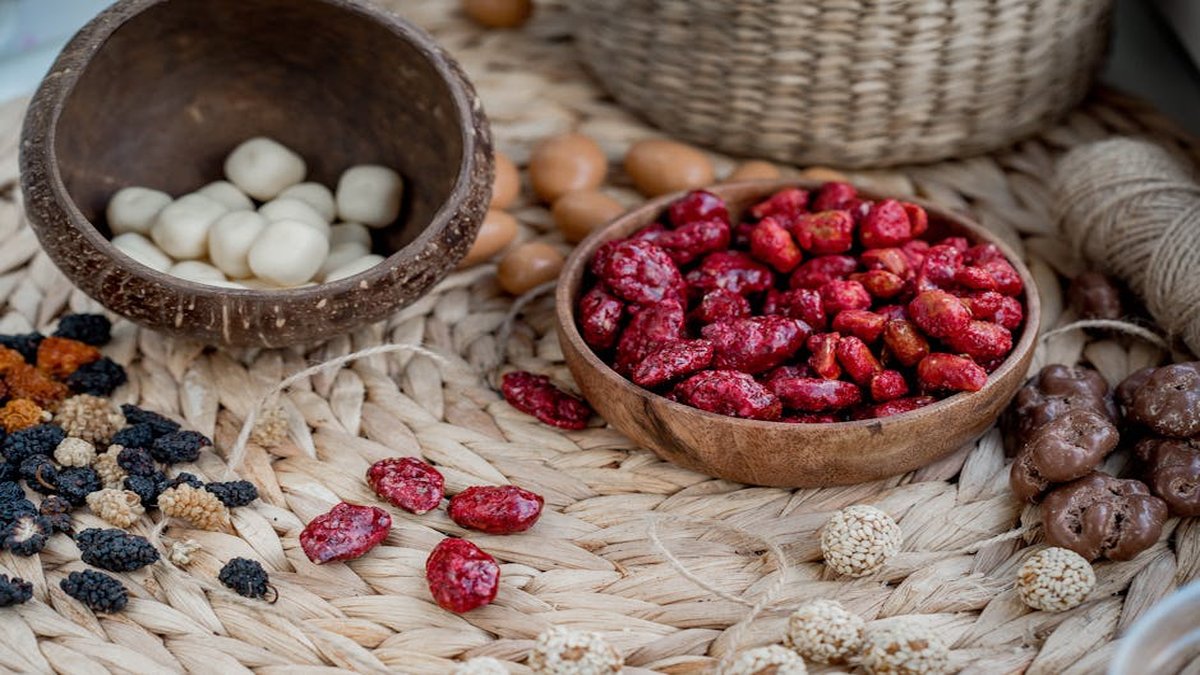
1. White Fungus and Lotus Seed Sweet Soup (银耳莲子羹)
TCM Function: Nourishes yin, moistens the lungs, calms the heart, beautifies the skin Best Season: Autumn and winter (when dryness damages lung yin) Constitution Match: Ideal for yin-deficient types (see our nine constitutions guide)
This is the queen of Chinese medicinal desserts. White fungus (银耳) contains tremella polysaccharides that hold up to 500 times their weight in water — a natural moisturizer from the inside out. Lotus seeds (莲子) calm the heart spirit and strengthen the spleen. Together, they create a dessert that's both deeply nourishing and stunningly beautiful — the translucent, jelly-like white fungus suspended in amber syrup looks like a luxury spa treatment in a bowl.
Ingredients:
- Dried white fungus — 1 large piece (about 15g)
- Lotus seeds — 30g (fresh or dried, with bitter green core removed)
- Red dates — 5, pitted
- Goji berries — 10g
- Rock sugar — 30g (adjust to taste)
- Water — 1.5 liters
Method:
- Soak white fungus for 1–2 hours until fully expanded. Remove the hard yellow base and tear into small, bite-sized pieces.
- If using dried lotus seeds, soak for 30 minutes. Remove the green bitter core (莲子心) if present — or leave it in for extra heart-fire-clearing benefit.
- Add white fungus and lotus seeds to a pot with 1.5 liters of water. Bring to boil, then reduce to low simmer.
- Simmer for 1.5–2 hours, stirring occasionally, until the liquid becomes thick and gelatinous. This thickness means the polysaccharides have fully released.
- Add red dates and rock sugar in the last 20 minutes. Add goji berries in the last 5 minutes (they overcook easily).
- Serve warm in autumn/winter, or chilled in summer.
Cost: Approximately ¥10 (~$1.40 USD) per serving. Serves 3–4.
The key to getting it right: Don't rush the cooking time. The difference between mediocre and magnificent 银耳莲子羹 is patience. At 45 minutes, the white fungus is still watery. At 2 hours, it's transformed into a thick, collagen-like dessert that clings to the spoon.
2. Red Bean Sweet Soup (红豆沙/红豆汤)
TCM Function: Clears heat, drains dampness, nourishes blood, benefits the heart Best Season: Summer (clears summer heat) and year-round Constitution Match: Excellent for damp-heat types
Red bean soup is the most democratic tang shui — affordable, simple, universally loved. But its medicinal value is serious. Red beans (红豆/赤小豆) enter the heart and small intestine channels, clearing heat while promoting urination — TCM's primary dampness-draining mechanism.
A 2023 study from Sun Yat-sen University found that daily consumption of red bean soup for 8 weeks reduced lower limb edema by 37% in pregnant women in their third trimester — validating the traditional use of red beans for water retention.
Ingredients:
- Red beans (红豆) — 200g
- Dried tangerine peel (陈皮) — 1 piece
- Rock sugar or brown sugar — 40g
- Water — 1.5 liters
Method:
- Soak red beans overnight (or at least 4 hours).
- Bring to boil with tangerine peel and water. Reduce heat, simmer 1.5–2 hours until beans are completely soft.
- For smooth 红豆沙 (red bean paste soup), blend half the beans and return to pot. For chunky 红豆汤 (red bean soup), leave as is.
- Add sugar, stir until dissolved.
Cost: Approximately ¥5 (~$0.70 USD) per serving.
Tangerine peel tip: The 陈皮 isn't just for flavor. It regulates qi and transforms dampness, amplifying the red bean's drainage function. Aged tangerine peel (3+ years) is therapeutically stronger than fresh — some Cantonese families treasure 陈皮 aged 10–20 years.
3. Black Sesame Sweet Soup (芝麻糊)
TCM Function: Nourishes kidney essence, moistens intestines, darkens hair, anti-aging Best Season: Winter (kidney season) Constitution Match: Yang-deficient and kidney-essence-deficient types
Black sesame is TCM's premier anti-aging food, entering the kidney and liver channels. The rich, nutty flavor of properly made 芝麻糊 is unlike anything in Western dessert traditions — simultaneously earthy, sweet, and deeply satisfying.
Our skin beauty food therapy guide covers black sesame's skin benefits in detail. Here, the focus is on the dessert preparation.
Ingredients:
- Black sesame seeds (黑芝麻) — 100g
- Glutinous rice flour (糯米粉) — 30g
- Sugar — 30g
- Water — 800ml
Method:
- Dry-toast black sesame in a pan over medium heat for 3–5 minutes until fragrant and popping.
- Grind toasted sesame in a blender until a fine powder (or paste if your blender is powerful enough).
- Mix glutinous rice flour with 100ml cold water to create a slurry.
- Bring remaining 700ml water to boil. Stir in the rice flour slurry, stirring constantly.
- Add ground sesame and sugar. Stir over low heat for 5–8 minutes until thickened to a porridge consistency.
Cost: Approximately ¥6 (~$0.85 USD) per serving.
4. Mung Bean Sweet Soup (绿豆汤/绿豆沙)
TCM Function: Clears heat, detoxifies, resolves summer heat, cools the blood Best Season: Summer (the essential summer cooling dessert) Constitution Match: Best for heat-type and damp-heat types; use cautiously for cold types
Mung bean soup is China's summer survival food. During heat waves, Chinese hospitals see surges in what TCM calls 中暑 (heat stroke) — and mung bean soup is the standard first-line dietary response. The green color corresponds to the liver in five-element theory, and the cold thermal nature aggressively clears interior heat.
Ingredients:
- Mung beans (绿豆) — 150g
- Lily bulb (百合) — 20g (dried)
- Rock sugar — 30g
- Water — 1.5 liters
Method:
- Soak mung beans for 2 hours.
- Boil with water. After 10 minutes of boiling, the soup turns green — this is the most heat-clearing stage. If you want maximum cooling effect, drink the green broth before the beans fully break down.
- Continue simmering 40–60 minutes until beans are soft. Add lily bulb in the last 15 minutes.
- Sweeten with rock sugar. Serve warm or at room temperature (not iced — TCM caution against ice-cold beverages even in summer).
Cost: Approximately ¥5 (~$0.70 USD) per serving.
This is a direct complement to the food therapy for colds and flu, particularly for wind-heat colds in summer.
5. Sweet Potato and Ginger Tang Shui (番薯姜糖水)
TCM Function: Warms the spleen, strengthens the stomach, dispels cold, aids digestion Best Season: Autumn and winter Constitution Match: Yang-deficient, spleen-qi-deficient types
The simplest tang shui on this list — and the most comforting. Sweet potato (番薯) strengthens the spleen and supplements qi. Ginger warms the middle burner and dispels cold. Brown sugar activates blood circulation. Together, they create a warming bowl that's the Cantonese equivalent of chicken soup for the soul.
Ingredients:
- Sweet potatoes (番薯) — 300g, peeled and cubed
- Fresh ginger — 30g, sliced
- Brown sugar (红糖) — 40g
- Water — 1 liter
Method:
- Bring water and ginger to boil. Simmer 10 minutes.
- Add sweet potato cubes. Simmer 15–20 minutes until soft.
- Add brown sugar, stir until dissolved.
Cost: Approximately ¥4 (~$0.55 USD) per serving.
Menstrual cramp remedy: This tang shui is widely prescribed for dysmenorrhea in southern China. The warming ginger + blood-moving brown sugar combination addresses the TCM mechanism behind most menstrual pain — cold and blood stasis in the uterus. Many women's health food therapy protocols include this as a monthly staple.
6. Walnut and Date Sweet Soup (核桃红枣糖水)
TCM Function: Tonifies kidney yang, nourishes brain, strengthens bones, warms the middle Best Season: Winter, exam season (brain nourishment) Constitution Match: Kidney yang-deficient, qi-deficient types
Ingredients:
- Walnuts (核桃) — 100g, shelled
- Red dates (红枣) — 10, pitted
- Longan (桂圆) — 20g
- Rock sugar — 20g
- Water — 1 liter
Method:
- Lightly toast walnuts in a dry pan for 3 minutes (enhances flavor and warming properties).
- Add all ingredients to pot with water. Bring to boil, then simmer 30 minutes.
- For a creamier version, blend half the walnuts before adding to the soup.
Cost: Approximately ¥12 (~$1.70 USD) per serving.
7. Papaya and White Fungus Sweet Soup (木瓜银耳汤)
TCM Function: Nourishes yin, beautifies skin, moistens lungs, relaxes tendons Best Season: Year-round, especially autumn Constitution Match: Yin-deficient types
Papaya (木瓜) in TCM soothes the liver and relaxes the tendons — it's traditionally used for muscle stiffness and joint discomfort. Combined with white fungus for yin nourishment and skin hydration, this tang shui is a beauty powerhouse.
Ingredients:
- Ripe papaya — 1 medium, peeled, seeded, cubed
- Dried white fungus — 10g
- Goji berries — 10g
- Rock sugar — 20g
- Water — 1 liter
Method:
- Soak white fungus 1 hour, tear into pieces.
- Simmer white fungus in water for 1 hour until gelatinous.
- Add papaya cubes and rock sugar. Simmer 15 minutes.
- Add goji berries in last 3 minutes.
Cost: Approximately ¥12 (~$1.70 USD) per serving.
8. Herbal Jelly (龟苓膏 / Gui Ling Gao)
TCM Function: Clears heat, detoxifies, promotes urination, clears damp-heat from skin Best Season: Summer, or whenever heat and dampness symptoms appear Constitution Match: Damp-heat types (the most common modern constitution)
Gui Ling Gao is the most "medicinal" tang shui — its bitter-sweet flavor immediately signals therapeutic intent. Traditional recipes include turtle shell (龟板), smilax root (土茯苓), and multiple Chinese herbs. Modern commercial versions vary in medicinal strength.
Store-bought: Available at Chinese supermarkets and 凉茶铺 (herbal tea shops) for ¥8–20 per serving (~$1.10–2.80 USD). Major brands: 和其正, 生和堂.
The bitterness is the medicine. Gui Ling Gao's bitter flavor corresponds to the heart organ in five-element theory — draining heart fire and clearing heat from the blood. Many people add honey or condensed milk to cut the bitterness, which is fine for palatability but slightly reduces the heat-clearing effect.
Cost: Approximately ¥8–15 per serving ($1.10–2.10 USD) homemade; ¥15–35 ($2.10–4.90 USD) at dessert shops.
9. Double-Skin Milk (双皮奶)
TCM Function: Nourishes yin, strengthens the stomach, moistens dryness Best Season: Year-round Constitution Match: Generally safe for most constitutions in moderation
Originating from Shunde (顺德), Guangdong — the birthplace of Cantonese dessert culture — double-skin milk is a steamed milk custard with a distinctive wrinkled "double skin" on top. While less overtly medicinal than other tang shui, its milk-and-egg base provides yin nourishment, and the gentle steaming preserves nutrients better than baking.
Ingredients:
- Full-fat milk (全脂牛奶) — 500ml
- Egg whites — 2
- Sugar — 30g
Method:
- Heat milk to 70°C (not boiling), pour into bowls. Let cool until a skin forms on top.
- Gently lift the skin edge, pour milk out into a separate container (keeping the skin attached to the bowl).
- Beat egg whites with sugar until smooth (not foamy). Mix with the cooled milk. Strain.
- Pour mixture back under the skin in the bowls. The skin should float on top.
- Steam on medium heat for 15 minutes. The custard sets beneath the double skin.
Cost: Approximately ¥5 (~$0.70 USD) per serving.
10. Glutinous Rice Balls in Fermented Rice Wine (酒酿圆子)
TCM Function: Warms the middle, activates blood, nourishes qi, promotes lactation Best Season: Winter and postpartum period Constitution Match: Qi-deficient, blood-deficient, postpartum women
The fermented rice wine (酒酿/醪糟) is the medicinal star here — it's a mild alcohol ferment that TCM classifies as warm and sweet, entering the stomach and kidney channels. It activates blood circulation, warms the meridians, and supports lactation in new mothers. Combined with glutinous rice balls (汤圆/小圆子) and osmanthus flowers, it's a warming, fragrant dessert that's deeply embedded in Chinese postpartum food therapy traditions.
Ingredients:
- Fermented rice wine (酒酿) — 200g
- Small glutinous rice balls (小圆子) — 100g (store-bought or handmade)
- Osmanthus syrup (桂花糖) — 10g
- Goji berries — 5g
- Egg — 1 (optional)
- Water — 500ml
Method:
- Bring water to boil. Add glutinous rice balls, cook until they float (about 3 minutes).
- Reduce to low heat. Add fermented rice wine. Stir gently. Do not boil vigorously — excessive heat destroys the beneficial enzymes in the ferment.
- If adding egg, crack into the pot and stir to create egg drop ribbons.
- Add goji berries and osmanthus syrup. Serve immediately.
Cost: Approximately ¥8 (~$1.10 USD) per serving.
Making Tang Shui Part of Your Routine
The beauty of tang shui is its flexibility. You don't need to commit to a strict regimen. Instead, keep these principles:
- Summer: Rotate between mung bean soup and red bean soup. Cool the body gently.
- Autumn: White fungus desserts 2–3 times per week to moisten against seasonal dryness.
- Winter: Black sesame paste, walnut date soup, and sweet potato ginger tang shui for warmth.
- Year-round: Choose based on your current state — feeling hot? Gui Ling Gao. Feeling tired? Walnut date soup. Dry skin? White fungus anything.
For the complete seasonal eating framework, see our seasonal eating calendar.
Related Reading
- Chinese Herbal Soup Recipes for Every Season
- Medicinal Tea Recipes for Common Conditions
- Top 10 Chinese Medicinal Foods Guide
Frequently Asked Questions
Are Chinese medicinal desserts safe for daily consumption? Most tang shui desserts are gentle enough for daily consumption, which is how they're traditionally used in southern Chinese households. However, the thermal nature matters: cooling desserts like mung bean soup should not be consumed daily by people with cold constitutions or weak digestion, and warming desserts like ginger sweet potato soup should be moderated by people who run hot. White fungus lotus seed soup and double-skin milk are the most constitution-neutral options, safe for almost everyone daily.
Can diabetics eat tang shui? Traditional tang shui recipes use rock sugar or brown sugar, which pose challenges for blood sugar management. However, most recipes can be adapted by reducing or eliminating added sugar — the natural sweetness of ingredients like red dates, longan, and sweet potato often provides sufficient flavor. Some tang shui ingredients (mung beans, coix seeds, bitter melon-based formulas) have blood sugar-regulating properties in TCM. Consult both a physician and TCM practitioner for personalized advice.
What's the difference between 糖水 (tang shui) and 甜品 (tian pin)? 糖水 specifically refers to sweet soups and liquid-based desserts with medicinal or health-promoting properties. 甜品 is a broader term meaning "sweet items" that includes cakes, pastries, ice cream, and any sweet food. All 糖水 is 甜品, but not all 甜品 is 糖水. The distinction matters because tang shui carries an implicit health intention that general desserts do not.
Where can I find tang shui ingredients outside of China? Most tang shui ingredients are available at Asian supermarkets worldwide. White fungus, lotus seeds, red beans, mung beans, red dates, and goji berries are standard stock items. Dried tangerine peel and fermented rice wine may require a specifically Chinese or Cantonese grocery. Online retailers like Weee!, Yamibuy, and 99 Ranch Market's online store carry nearly everything needed. Pearl powder and specialty herbs may require a Chinese medicine shop or online TCM supplier.
Can children eat medicinal desserts? Yes, with modifications. Children can safely enjoy most tang shui from age 3+. Reduce or eliminate added sugar (children's palates are more sensitive to sweetness anyway). Avoid strongly cooling desserts (gui ling gao, concentrated mung bean soup) for children under 5, as their digestive systems are more susceptible to cold damage. White fungus soup, red bean soup (slightly sweetened), and double-skin milk are the most child-friendly options. See our pediatric food therapy guide for age-specific recommendations.
This article is for informational purposes only and does not constitute medical advice. Consult a qualified healthcare provider or licensed TCM practitioner before using food therapy for specific health conditions.
— The Yao Shan Guide Team